Operation Teardrop: The Secret Navy Mission to Stop German Submarines From Launching Rockets on New York City
•January 19, 2026
0
Why It Matters
The mission showed how rapid intelligence integration can shape naval strategy, averting a perceived missile attack and reshaping post‑war views of German weapons. It also raised lasting ethical questions about wartime interrogation methods.
Key Takeaways
- •Navy launched Operation Teardrop to stop alleged U‑boat rockets
- •Five German submarines sunk; last US Atlantic warship lost
- •Interrogations of U‑546 crew involved harsh, undocumented methods
- •Post‑war analysis proved rockets never operational on U‑boats
- •Signals intelligence crucial in tracking Gruppe Seewolf
Pulse Analysis
The fear of a V‑1 rocket barrage on New York in early 1945 sparked a rare clash between intelligence and military bureaucracy. Captured spies William Colepaugh and Erich Gimpel hinted at a submarine‑based missile program, while German propaganda amplified the threat. Though the War Department dismissed the risk, Navy leaders, armed with Enigma decrypts and aerial reconnaissance, prepared a massive barrier across the North Atlantic, illustrating how speculative intelligence can drive decisive operational planning.
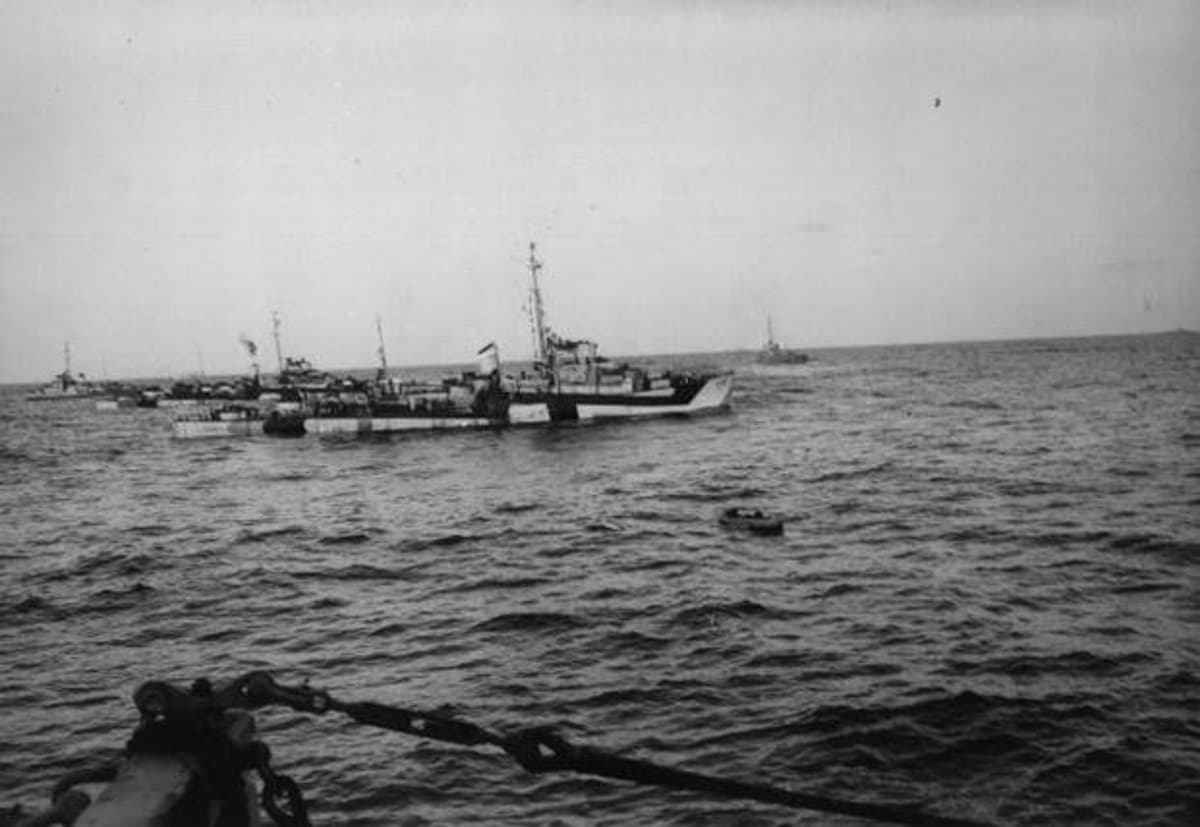
When the barrier forces—two escort carriers and more than twenty destroyer escorts—swept the Atlantic, they forced the Gruppe Seewolf U‑boats into a defensive posture. Within weeks, five submarines were destroyed, but the operation suffered its own tragedy when USS Frederick C. Davis was torpedoed and split in two, becoming the last American warship lost in the Atlantic theater. The intense cat‑and‑mouse engagements, hampered by spring storms, underscored the challenges of anti‑submarine warfare even when superior intelligence is available.
In the aftermath, the Navy’s harsh interrogation of U‑546 survivors sparked controversy, with records indicating physical abuse to extract confirmation of the missile plot. Post‑war analysis later proved the German rocket concept never reached operational status, rendering the feared attack a myth. Nonetheless, Operation Teardrop cemented the value of signals intelligence and joint Allied coordination, lessons that continue to shape modern maritime security doctrines.
Operation Teardrop: The Secret Navy Mission to Stop German Submarines From Launching Rockets on New York City
0
Comments
Want to join the conversation?
Loading comments...