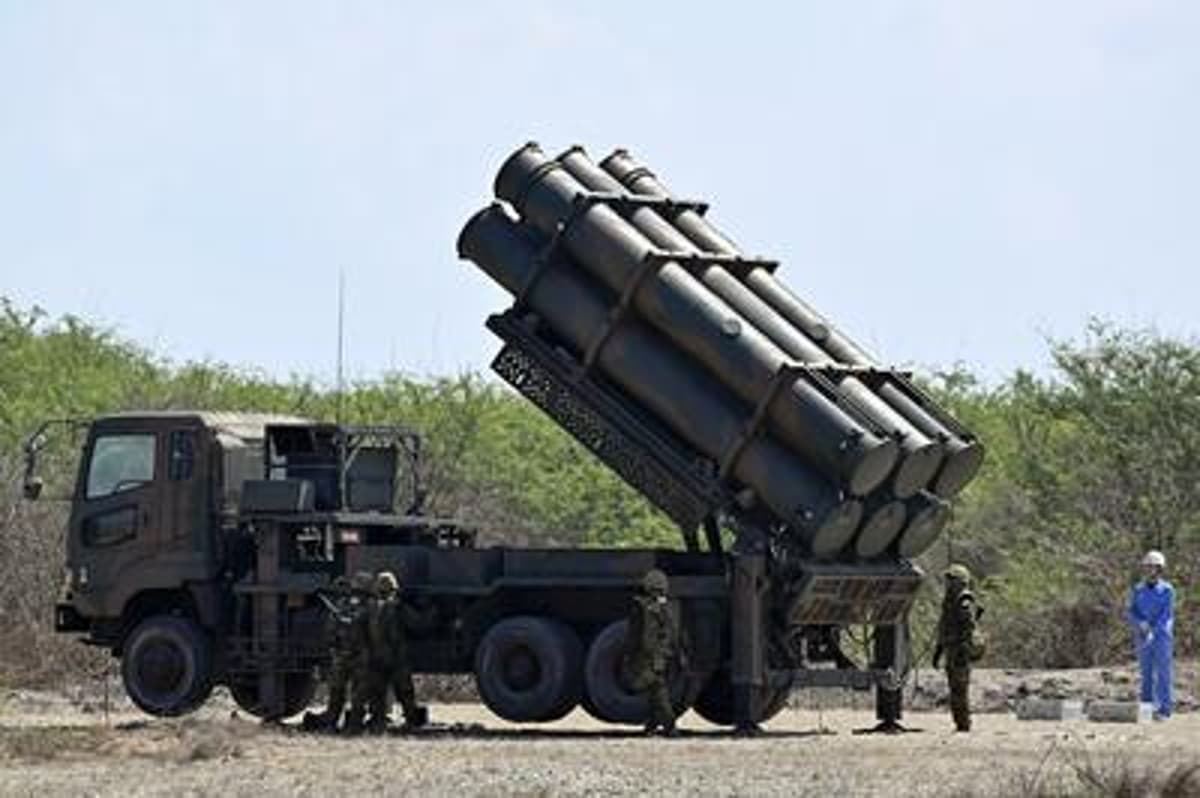
OPINION: Japan Lifts Curbs on Weapons Exports, but Strict Safeguards Are Essential
Why It Matters
The decision could reshape Japan’s security posture and defense industry while raising the risk of entanglement in overseas conflicts, making robust oversight essential.
Key Takeaways
- •Japan abolishes five‑category arms export ban, allowing lethal sales
- •New policy aims to strengthen defense industry and deterrence abroad
- •Export approvals require “special security circumstances,” raising scrutiny concerns
- •Critics warn arms sales could entangle Japan in foreign conflicts
- •Opposition calls for Diet notification as safeguard against misuse
Pulse Analysis
Japan’s decision to scrap the long‑standing “five‑category” restriction on arms exports marks a dramatic pivot from its post‑World‑War II pacifist stance. The move, announced by the Cabinet, opens the door to selling lethal weapons even to nations engaged in active conflict, provided Tokyo deems there are “special security circumstances.” The policy shift is driven by a confluence of factors: soaring global demand for missiles and drones after Russia’s invasion of Ukraine, U.S. missile stock shortages following strikes on Iran, and a desire to deepen the domestic defense industrial base.
Proponents argue that broader export channels will boost Japan’s defense manufacturers, create jobs, and enhance the deterrence capabilities of allied partners such as the United States, the Philippines, and certain Middle‑Eastern states. However, critics caution that turning the defense sector into an engine of economic growth risks a profit‑first mentality, potentially lowering the bar for approval and pulling Japan into disputes it has traditionally avoided. Supplying weapons to one side of a conflict also jeopardizes Japan’s credibility as an impartial mediator and could trigger retaliatory targeting of its production facilities.
The crux of the debate lies in the definition and enforcement of “special security circumstances.” Without transparent, case‑by‑case assessments and mandatory Diet notification, the policy could be exploited for political expediency. Strong legislative oversight, clear export criteria, and a robust end‑use verification regime are essential safeguards to prevent inadvertent escalation. As Japan navigates this new era of arms trade, balancing industrial ambition with constitutional pacifism will determine whether the policy strengthens national security or entangles the country in overseas wars.
OPINION: Japan lifts curbs on weapons exports, but strict safeguards are essential
Comments
Want to join the conversation?
Loading comments...