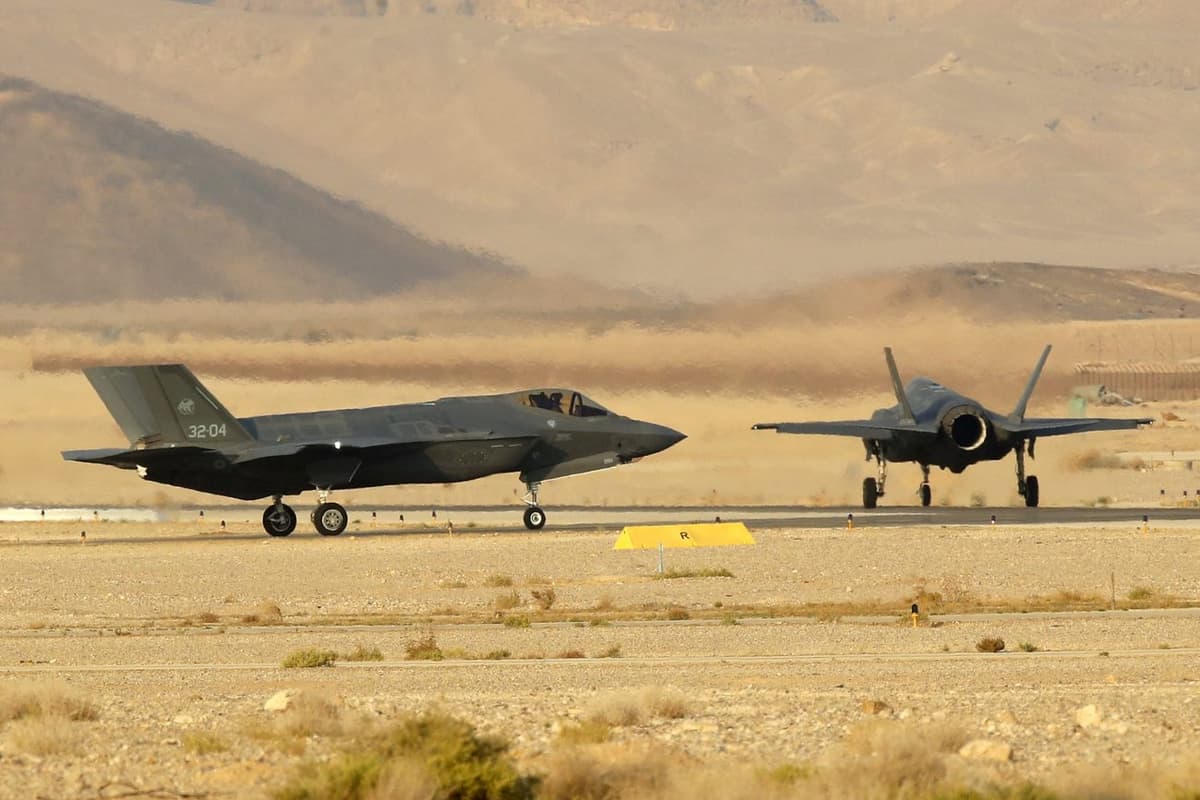
“Our Pilots Can Reach Anywhere in Iran”, Netanyahu Says as Israel OKs More F-35, F-15 Fighter Jets For IDF
Why It Matters
The acquisition secures Israel’s long‑term aerial dominance in a volatile region and deepens U.S.–Israel defense cooperation, while the budget surge signals a shift toward domestic weapons production.
Key Takeaways
- •Israel to buy F-35 and F-15 jets for one squadron
- •Defense budget increase of 350 billion shekels (~$118 B)
- •Shield of Israel plan aims for decades‑long air superiority
- •Netanyahu pledges domestic fighter development to reduce foreign dependence
- •US Project Freedom to escort ships through Strait of Hormuz amid war
Pulse Analysis
Israel’s decision to purchase a full squadron of F‑35 and F‑15IA fighters marks the largest single‑year defense outlay in its history, underscoring a strategic pivot toward sustained air superiority. The $118 billion budget infusion not only funds the acquisition but also fuels a broader "Shield of Israel" initiative aimed at maintaining a qualitative edge over regional adversaries, particularly Iran. By integrating next‑generation stealth and long‑range strike capabilities, the Israeli Air Force can project power deep into hostile airspace, reinforcing deterrence and expanding operational flexibility.
Beyond the hardware, Netanyahu’s emphasis on developing "blue‑and‑white" indigenous aircraft reflects a growing desire for self‑reliance in critical defense technologies. Domestic production reduces exposure to export controls and supply chain disruptions, while fostering a high‑tech aerospace sector that can export to allied markets. This dual‑track approach—acquiring proven U.S. platforms while nurturing homegrown designs—positions Israel as both a premier consumer and a potential future supplier of advanced combat aircraft.
The timing coincides with heightened regional volatility, as the United States prepares "Project Freedom" to escort commercial vessels through the Strait of Hormuz amid ongoing hostilities with Iran. The coordinated U.S.–Israel military posture signals a unified front against Iranian aggression, potentially reshaping power dynamics in the Middle East. For defense contractors and investors, the expanded procurement pipeline and accompanying R&D commitments suggest robust, multi‑year revenue streams, while policymakers must weigh the escalation risks inherent in such a substantial buildup of aerial firepower.
“Our Pilots Can Reach Anywhere in Iran”, Netanyahu Says as Israel OKs More F-35, F-15 Fighter Jets For IDF
Comments
Want to join the conversation?
Loading comments...