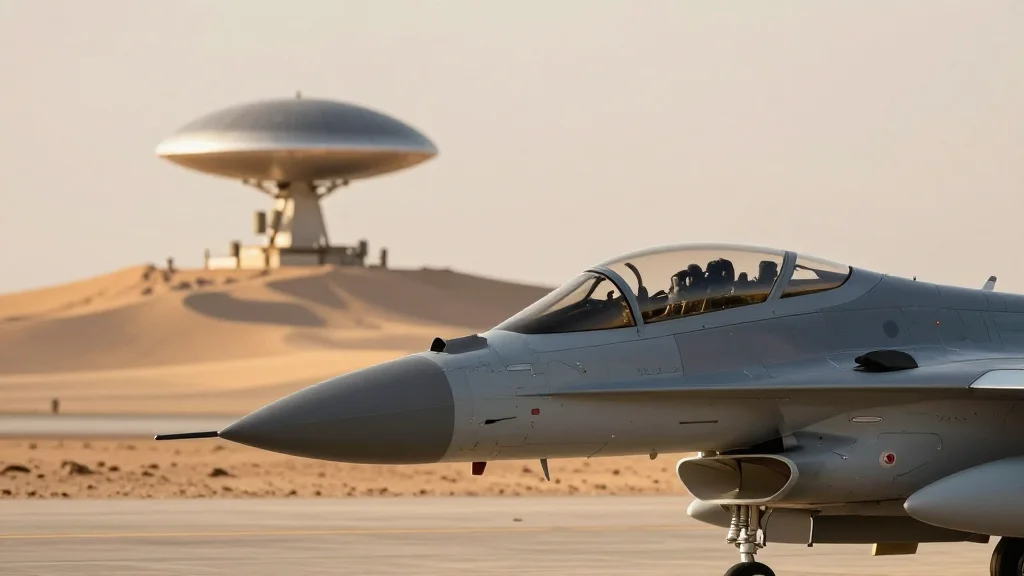
Pakistan Deploys 8,000 Troops, JF-17 Squadron and HQ‑9 System to Saudi Arabia

Why It Matters
The deployment marks the most significant Pakistani military presence abroad since the 1970s, signaling a new tier of collective defence in the Gulf. By extending its nuclear umbrella and fielding modern combat assets, Pakistan elevates its strategic relevance and deepens ties with both Saudi Arabia and China, potentially reshaping regional security architectures. For the broader defense market, the move could spur demand for Chinese weapons systems in the Middle East, as Saudi Arabia finances the HQ‑9 and Pakistan operates the JF‑17 fleet. It also raises questions about how the United States will respond to a non‑Western security bloc that can project air power and missile defence across the Arabian Peninsula.
Key Takeaways
- •Pakistan deployed 8,000 troops, a squadron of ~16 JF‑17 fighters and a Chinese HQ‑9 air‑defence system to Saudi Arabia.
- •The mutual defence pact obligates both nations to assist each other in case of attack, with Pakistan offering a nuclear umbrella.
- •Pakistan’s Defense Minister Khawaja Muhammad Asif announced plans to add Turkey and Qatar to the agreement.
- •The deployment includes two drone squadrons and a pledge for additional troops if needed.
- •Saudi Arabia finances the Chinese HQ‑9 system, linking the deal to broader China‑Pakistan defence cooperation.
Pulse Analysis
Pakistan’s forward deployment is a watershed for its defence industry and foreign policy. Historically, Islamabad has supplied training and advisory teams to Riyadh, but the arrival of a full combat‑capable air wing and a modern SAM system pushes the partnership into the realm of joint operational capability. This not only enhances Saudi deterrence against Iranian retaliation but also gives Pakistan a tangible lever in Gulf politics, potentially translating into greater economic aid and influence.
The strategic calculus is further complicated by Beijing’s involvement. The JF‑17 and HQ‑9 are flagship Chinese exports; their presence in Saudi Arabia, operated by Pakistani crews, creates a de‑facto trilateral security nexus that could dilute U.S. dominance in the region. Western allies may view the arrangement as a challenge to the traditional security architecture, prompting diplomatic outreach or recalibrated force postures.
Looking ahead, the success of this deployment will hinge on how quickly Turkey and Qatar can be integrated and whether the forces remain advisory or transition to active combat roles. If the pact expands, the Gulf could see a new, semi‑autonomous security bloc capable of shaping conflict outcomes without direct Western intervention, a development that could reverberate through defense procurement, alliance politics, and regional stability for years to come.
Pakistan Deploys 8,000 Troops, JF-17 Squadron and HQ‑9 System to Saudi Arabia
Comments
Want to join the conversation?
Loading comments...