Pakistan Sends Troops, Fighters to Saudi Arabia, Reuters Reports
Why It Matters
The deployment deepens the strategic partnership between Pakistan and Saudi Arabia, giving Riyadh a ready‑made combat capability while boosting Islamabad’s geopolitical relevance. It also reshapes the Gulf security calculus, prompting concern from regional rivals such as Iran and the UAE.
Key Takeaways
- •Pakistan deployed ~8,000 troops to Saudi Arabia under defense pact
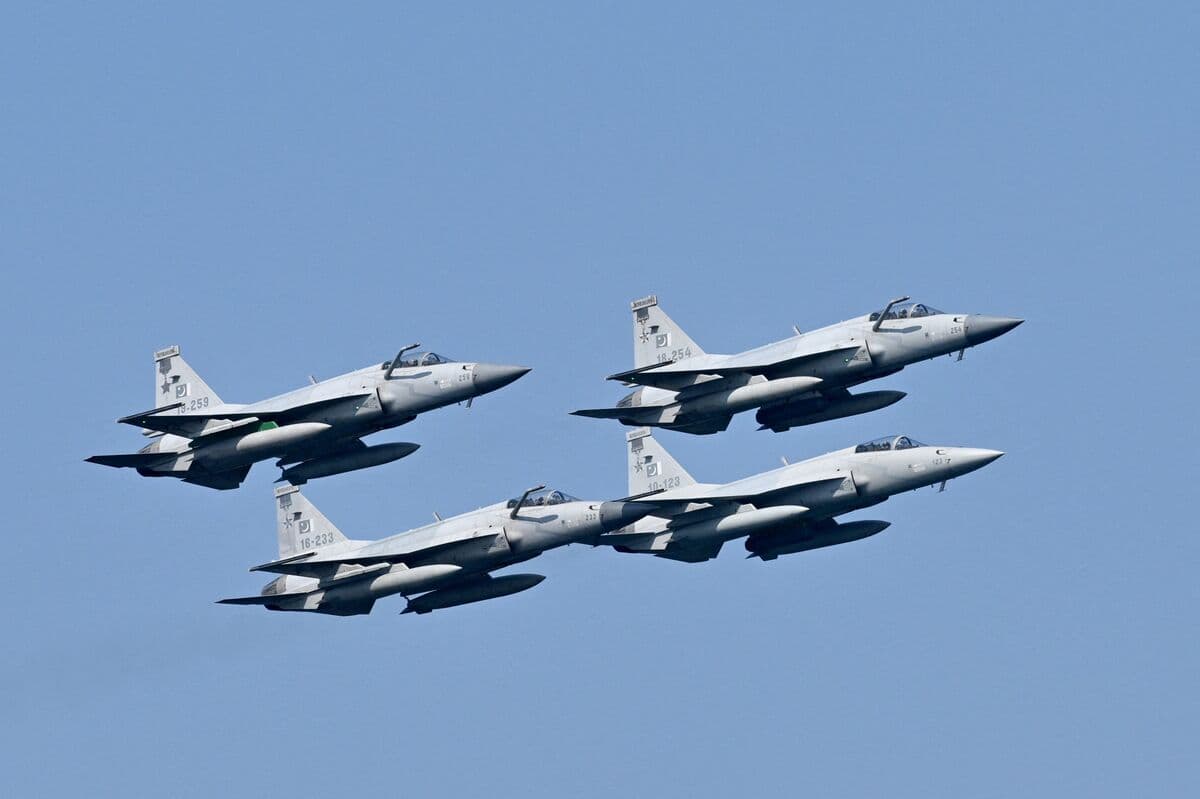
- •Includes 16 JF‑17 jets, two drone squadrons, Chinese HQ‑9 system
- •Saudi Arabia finances Pakistani equipment and personnel for the mission
- •Joint deployment signals deepening military ties between Islamabad and Riyadh
- •Regional rivals may view move as shift in Gulf security balance
Pulse Analysis
Pakistan’s decision to station a sizable contingent of troops and advanced air assets in Saudi Arabia marks a watershed in South‑Asian Gulf relations. Historically, Islamabad has supplied Saudi Arabia with personnel for training and limited advisory roles, but the current deployment—8,000 soldiers, 16 JF‑17 fighters, two drone squadrons and a Chinese‑made HQ‑9 air‑defense system—represents a leap to full‑scale combat capability. By shouldering the cost, Riyadh gains immediate access to a ready‑made air‑defense shield and strike platform without the time lag of domestic procurement, while Pakistan secures a strategic foothold that elevates its standing in the broader Middle‑East security architecture.
The equipment mix underscores a blend of indigenous and foreign technology. The JF‑17, co‑developed by Pakistan and China, offers a cost‑effective multirole fighter suitable for both air‑to‑air and air‑to‑ground missions, while the HQ‑9 provides long‑range radar and missile coverage against high‑altitude threats. Drone squadrons add persistent surveillance and precision‑strike options, enhancing Saudi Arabia’s ability to monitor the Red Sea corridor and deter hostile actions. Iran, already wary of Saudi‑UAE cooperation, is likely to interpret the move as a tightening of the anti‑Iran coalition, potentially prompting its own force posturing or diplomatic outreach to counterbalance the new alignment.
Beyond immediate tactical benefits, the deployment signals a deepening of Pakistan’s defense export ambitions. By field‑testing Chinese‑origin systems in a high‑visibility theater, Islamabad showcases its operational expertise to prospective buyers across Africa and Asia. The partnership also offers a template for future cost‑sharing arrangements, where Gulf states fund Pakistani personnel to operate sophisticated platforms. As the Gulf’s security environment evolves, the Pakistan‑Saudi collaboration could become a cornerstone of a broader, multilateral defense network that includes the United Arab Emirates and Egypt, reshaping power dynamics and opening new markets for Pakistan’s defense industry.
Pakistan Sends Troops, Fighters to Saudi Arabia, Reuters Reports
Comments
Want to join the conversation?
Loading comments...