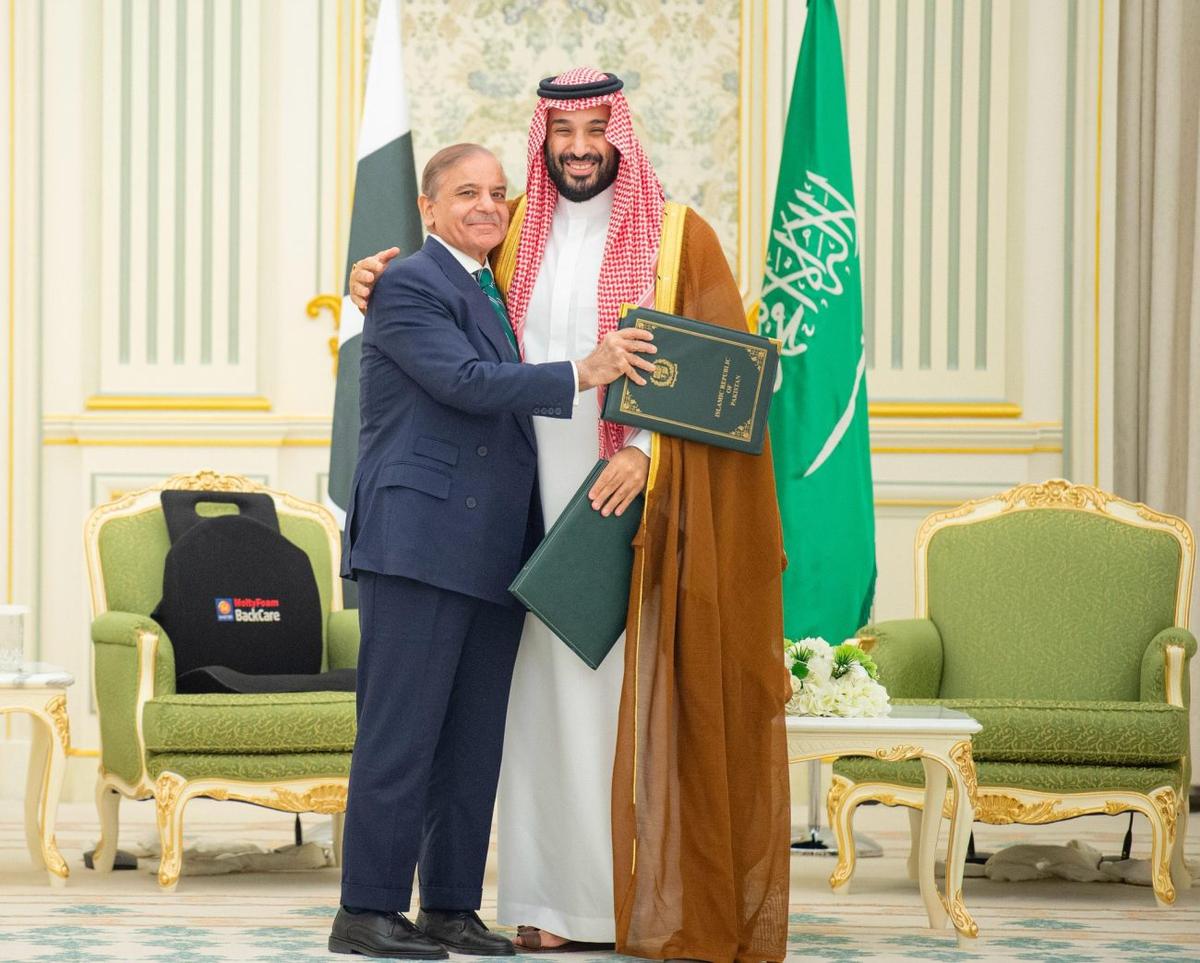
Pakistan “Warns” Iran Over Attacking Saudi Arabia: Reminds Tehran Of Mutual Defense Pact With Riyadh
Why It Matters
The reminder of the defense pact signals a potential escalation of proxy conflicts and introduces a nuclear‑backed deterrent in the Gulf, reshaping security calculations for regional powers and global investors.
Key Takeaways
- •Pakistan cites 2025 Saudi‑Pakistan defense pact to deter Iran
- •Pact covers all military means, hints nuclear umbrella for Saudi
- •Iran’s drone strikes hit Saudi oil sites and US embassy
- •India views pact as strategic threat, raising regional tensions
- •Pakistan seeks billions in defense deals to ease $100B debt
Pulse Analysis
The Strategic Mutual Defense Agreement signed by Saudi Arabia and Pakistan in September 2025 marks a significant shift in Gulf security architecture. By binding the two nations to collective defense, the pact extends Pakistan’s conventional and nuclear capabilities into the Arabian Peninsula, offering Riyadh a deterrent without the political costs of developing its own nuclear arsenal. This arrangement also opens avenues for technology transfer and joint weapons projects, potentially funneling billions of dollars into Pakistan’s strained fiscal position and addressing its $100 billion debt burden.
Iran’s recent barrage of drones and missiles against Saudi oil infrastructure and the U.S. diplomatic mission underscores the volatility that the SMDA aims to curb. Tehran’s attacks on the Ras Tanura refinery and the U.S. embassy in Riyadh have already disrupted energy markets and prompted heightened alerts across the region. Pakistan’s public warning to Iran leverages the pact’s language, signaling that any aggression will trigger a coordinated response, which could involve conventional forces or, implicitly, nuclear posturing.
The broader geopolitical implications are profound. India perceives the Saudi‑Pakistan alignment as a strategic encirclement, potentially emboldening Islamabad in any future Indo‑Pakistani confrontation. Meanwhile, the United States, already warning of imminent attacks on its own assets, must reassess its security commitments in the Gulf. The convergence of defense, energy security, and nuclear ambiguity creates a complex risk matrix for investors, policymakers, and multinational corporations operating in the region.
Pakistan “Warns” Iran Over Attacking Saudi Arabia: Reminds Tehran Of Mutual Defense Pact With Riyadh
Comments
Want to join the conversation?
Loading comments...