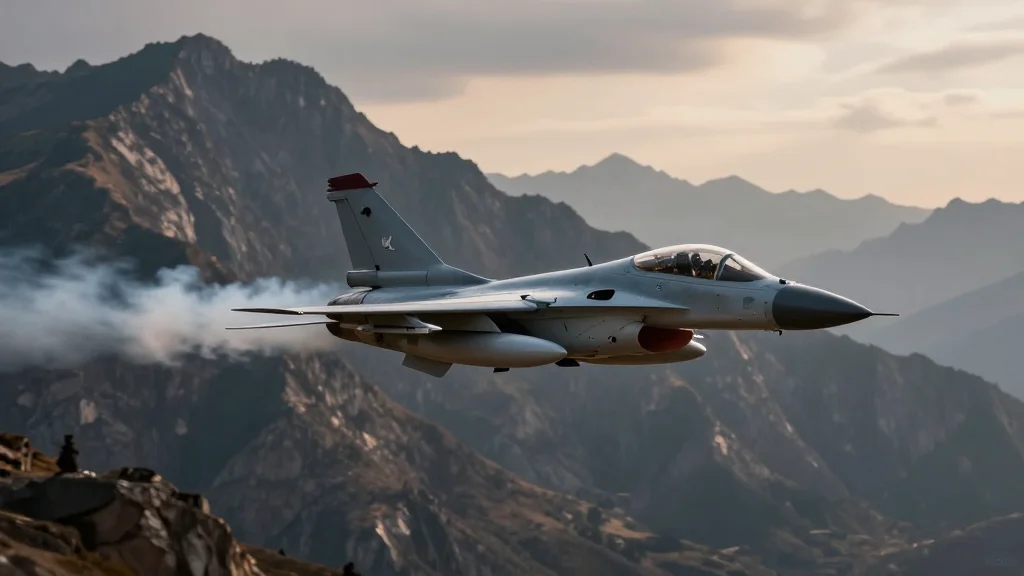
Pakistan’s Ghazab Lil-Haq Operation and Prospect of Regime Change in Afghanistan
Why It Matters
The campaign threatens to destabilize Afghanistan further, jeopardizing the $10 billion TAPI gas pipeline and other Belt‑and‑Road projects, while forcing regional powers to reassess security and investment strategies.
Key Takeaways
- •Pakistan’s airstrikes target Taliban to curb cross‑border militancy
- •China backs Pakistan’s pressure, fearing Uyghur and ISIS‑K threats
- •Regime‑change push risks delaying $7 bn Kazakhstan‑Pakistan railway
- •Tajik‑hosted NRF could gain leverage if Taliban weakened
Pulse Analysis
Pakistan’s Operation Ghazab lil‑Haq marks a dramatic escalation in Islamabad’s security doctrine. After years of cross‑border attacks by the TTP, BLA and other Afghan‑based groups, Pakistan has moved from diplomatic pressure to kinetic action, deploying airpower over Kabul and other major cities. The operation is framed as a demand for the Taliban to dismantle militant safe havens, but analysts see a broader objective: creating conditions for a possible regime change that would bring Kabul under a more cooperative, Islamabad‑friendly authority.
The maneuver reverberates across the region’s great‑power chessboard. Beijing, already wary of Uyghur separatists and ISIS‑K operating from Afghan soil, has signalled tacit approval, viewing a weakened Taliban as a pathway to secure the strategic Wakhan Corridor and protect Belt‑and‑Road investments. Moscow, despite formally recognizing the Taliban, has expressed alarm over the 20,000‑plus militants it estimates remain in Afghanistan, linking recent attacks in Moscow to Afghan‑based networks. Tajikistan, hosting the National Resistance Front, could become a pivotal ally if Islamabad succeeds in eroding Taliban control, reshaping the security dynamics along the 1,400‑km Afghan‑Tajik border.
The most immediate fallout will be felt in infrastructure pipelines that hinge on Afghan stability. Multi‑billion‑dollar projects such as the $7 billion Kazakhstan‑Pakistan railway, the $4.8 billion Uzbekistan‑Afghanistan‑Pakistan line, and the $10 billion TAPI gas pipeline have already suffered delays due to insecurity. A protracted conflict could push these initiatives into indefinite limbo, undermining China’s Belt‑and‑Road ambitions and depriving South Asia of critical energy and trade corridors. Conversely, a swift resolution that curtails militant activity could revive investor confidence, accelerate construction timelines, and cement Pakistan’s role as a gateway between Central and South Asia.
Pakistan’s Ghazab Lil-Haq operation and prospect of regime change in Afghanistan
Comments
Want to join the conversation?
Loading comments...