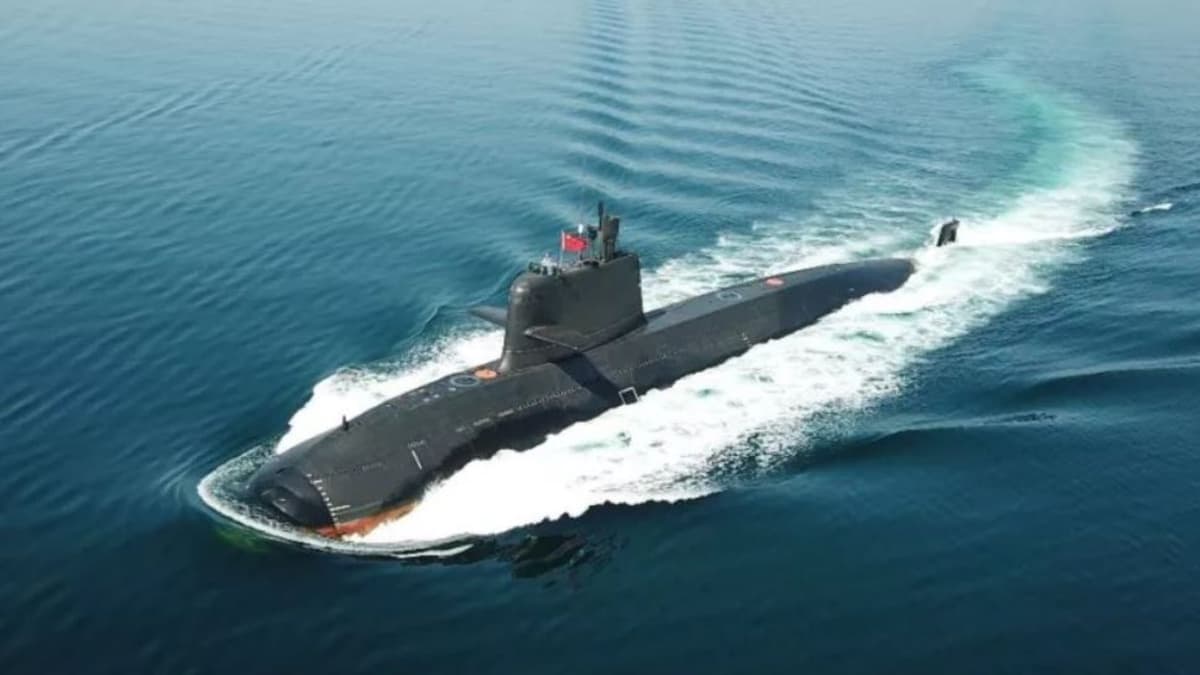
Pakistan’s Pursuit of a Sea-Based Nuclear Deterrent
Companies Mentioned
Why It Matters
A functional sea‑based nuclear deterrent would enhance Pakistan’s second‑strike credibility and reshape South Asian strategic stability, while also testing the limits of China‑Pakistan defence cooperation and Western export controls.
Key Takeaways
- •Pakistan asked China for SSN/SSBN assistance, request denied
- •Babur-3 cruise missile gives technical, not assured, sea‑based strike
- •Hangor-class subs remain conventional, separating nuclear and industrial programs
- •Lack of SSBN leaves Pakistan’s nuclear triad incomplete versus India
- •Western partners avoid nuclear‑linked projects, limiting Pakistan’s submarine options
Pulse Analysis
Pakistan’s nuclear posture remains anchored to land‑based Shaheen‑III missiles and air‑launched Ra’ad cruise missiles, leaving its sea leg underdeveloped. The 2017 Babur‑3 test demonstrated that a conventional submarine could launch a nuclear‑capable cruise missile, but its 450‑km range and reliance on diesel‑electric platforms such as the Agosta‑90B and upcoming Hangor‑class limit survivability and geographic reach. Consequently, Pakistan’s current sea‑based deterrent is a technical proof‑of‑concept rather than an assured second‑strike capability, especially when compared to India’s Arihant‑class SSBNs equipped with 3,500‑km K‑4 SLBMs.
Parallel to its strategic ambitions, the Pakistan Navy is building an indigenous submarine industry through the Hangor‑class acquisition and the smaller SWATS program. By drawing a clear firewall between conventional platforms and any future nuclear submarine effort, the navy hopes to retain access to Western suppliers such as Italy’s Fincantieri and Turkey’s STM. Any perception that a conventional hull could be repurposed for nuclear payloads would jeopardize these partnerships, forcing Pakistan to rely solely on China for advanced submarine technology. This industrial calculus explains the recent retreat from the earlier “hybrid” model that blended conventional and nuclear roles.
China’s refusal to provide SSN or SSBN assistance underscores the diplomatic cost of extending nuclear propulsion to a Pakistani platform. While Beijing remains Pakistan’s primary conventional defence partner, transferring nuclear‑powered submarine technology would breach its non‑proliferation pledges and heighten tensions with the United States and India. Pakistan could still pursue a phased approach—developing a compact naval reactor domestically and advancing SLBM designs within its existing missile programme—but funding, fissile material, and sustained political will are critical hurdles. The outcome will shape South Asia’s strategic balance, influencing how regional powers assess deterrence credibility and the risk of a new nuclear maritime arms race.
Pakistan’s Pursuit of a Sea-Based Nuclear Deterrent
Comments
Want to join the conversation?
Loading comments...