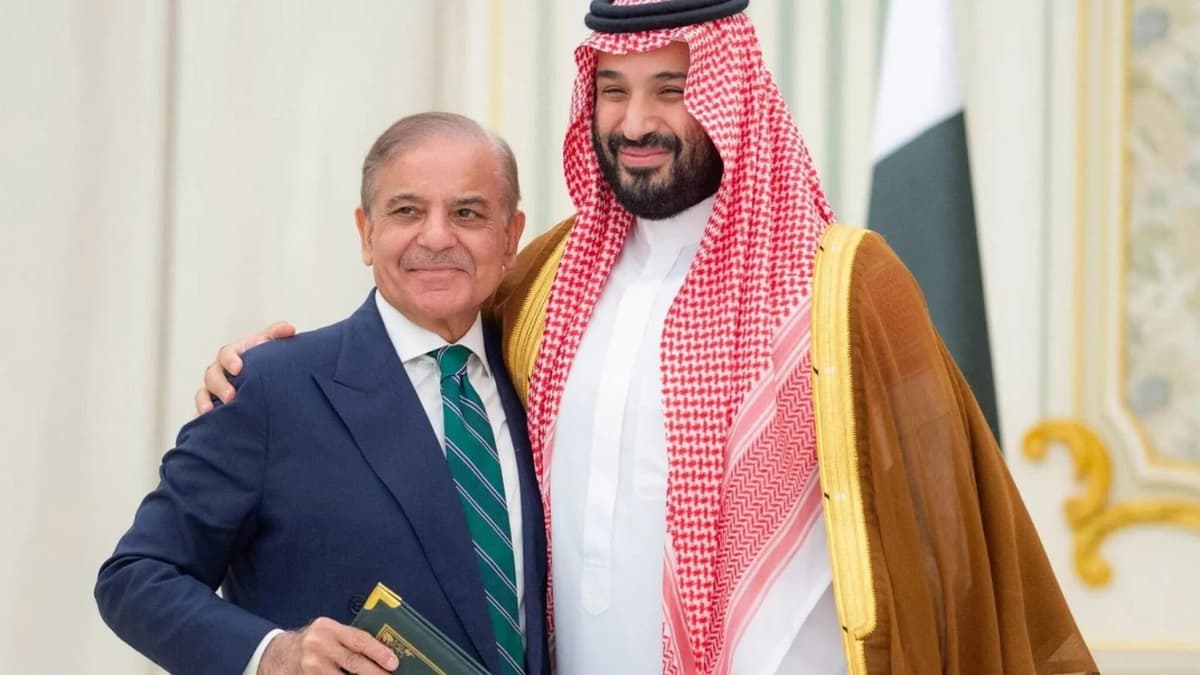
Pakistan’s Strategic Ambiguity on the Saudi Defence Pact: An Old Pattern Returns
Why It Matters
The SMDA’s uncertain implementation could weaken Gulf security coordination and deprive Pakistan of significant economic and strategic leverage.
Key Takeaways
- •Pakistan's SMDA faces first wartime test amid Iran‑Saudi tensions
- •Islamabad remains ambiguous, avoiding clear operational commitment to Riyadh
- •Historical hedging cost Pakistan diplomatic goodwill and potential economic gains
- •Past Saudi deployments paid Pakistan $10‑15 billion annually, now underpriced
- •Clear pricing and signaling needed to turn security premium into leverage
Pulse Analysis
The Saudi‑Pakistan Strategic Mutual Defence Agreement, signed in September 2025, was hailed as a watershed moment that codified a long‑standing security partnership. Its purpose was to provide a rapid response framework for threats such as Iranian drone attacks and potential Strait of Hormuz closures—contingencies that have materialized during Operation Epic Fury. By embedding the pact in formal treaty language, both capitals expected a predictable, mutually beneficial security arrangement that could bolster Gulf stability amid shifting U.S. commitments.
Yet Islamabad’s public posture remains deliberately vague. Domestic considerations—a sizable Shia minority, the risk of opening a third front against India and Afghanistan, and a porous border with Iran—constrain Pakistan’s willingness to commit forces outright. This mirrors earlier episodes, notably the 2015 Yemen war, when Pakistan declined to send troops despite Gulf expectations, and the Imran Khan era’s diplomatic missteps that strained Saudi ties. The pattern reveals a structural weakness: Pakistan enters high‑value agreements without articulating or monetizing the security premium it offers, leaving partners uncertain and the pact underleveraged.
For Pakistan to translate its rare security capabilities into tangible gains, it must adopt a “Look West” strategy that couples clear signaling with robust economic and diplomatic packages. Pricing the SMDA—akin to the $10‑15 billion annual fees paid in the 1970s and 80s—could fund defense modernization and deepen trade links, while explicit operational guidelines would reassure Riyadh and deter Iranian aggression. Absent such clarity, the agreement risks becoming a one‑sided commitment, eroding Pakistan’s credibility and forfeiting a strategic lever in the Gulf’s evolving security architecture.
Pakistan’s Strategic Ambiguity on the Saudi Defence Pact: An Old Pattern Returns
Comments
Want to join the conversation?
Loading comments...