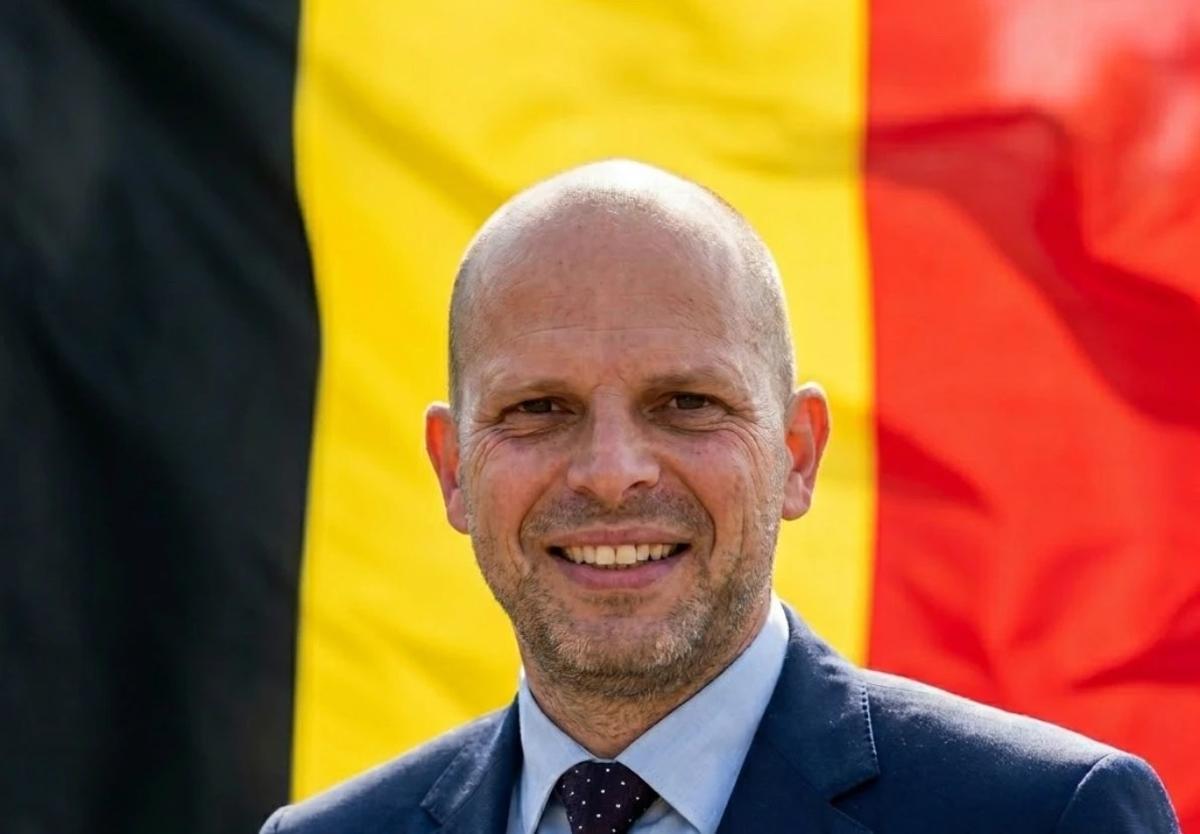
Pano Investigation: No Evidence of Russian Drones in Belgium Despite €50m Emergency Spend

Why It Matters
The affair highlights potential misuse of public defence funds and underscores the need for stricter procurement oversight, which could reshape Belgium’s defence spending and accountability standards.
Key Takeaways
- •No proof of Russian drones despite minister's claims
- •€50 million ($55 m) emergency spend bypassed public tender
- •Senhive contract overpriced: $92k per antenna vs $31k market
- •Latvian drones bought for $8.6 m; estimated true cost $2 m
- •Opposition demands transparent probe of procurement cronyism
Pulse Analysis
The Pano investigation arrives at a time when European nations are tightening security post‑COVID, yet the Belgian case illustrates how alarmist narratives can translate into rushed spending. By sidestepping the usual public‑tender process, the defence ministry allocated roughly $55 million for counter‑drone capabilities, a move that bypassed the Inspectorate of Finance’s warnings. Such emergency procurements are not unprecedented, but the scale of price inflation—antennas costing nearly three times the market rate and drones purchased at over four times their estimated value—raises red flags about fiscal discipline and potential cronyism.
Political repercussions have been swift. Opposition leaders from Groen, CD&V, and Vooruit have called for a parliamentary inquiry, arguing that the minister may have fabricated a threat to justify the spending. The demand for an independent oversight committee reflects broader concerns about transparency in defence contracts, especially as Belgium grapples with budget constraints highlighted by the prime minister. If the allegations hold, the scandal could trigger reforms in procurement law, tighter audit mechanisms, and a reevaluation of emergency spending protocols.
For defence industry observers, the episode serves as a cautionary tale about the balance between rapid response and accountability. While the need for counter‑drone technology is real, the Belgian experience shows that inflated contracts can erode public trust and invite political backlash. Companies seeking government contracts must now demonstrate clear value and compliance, and policymakers will likely impose stricter checks to prevent similar overspending. The outcome may reshape how European states fund urgent security measures, emphasizing cost‑effectiveness alongside speed.
Pano Investigation: No Evidence of Russian Drones in Belgium Despite €50m Emergency Spend
Comments
Want to join the conversation?
Loading comments...