Pentagon Brushes Off Request to Understand How Wind Turbines Threaten National Security
•January 18, 2026
0
Why It Matters
The outcome determines whether billions of dollars in renewable‑energy investments can move forward without opaque security pretexts, shaping the pace of U.S. offshore wind deployment. It also signals how future defense‑industry collaborations will be managed under classified constraints.
Key Takeaways
- •Pentagon cites classified security threat to offshore wind
- •Courts repeatedly reject shutdown orders for Revolution Wind
- •Industry spent $5 billion, creating 2,000 jobs
- •Multiple DoD agencies previously cleared radar interference concerns
Pulse Analysis
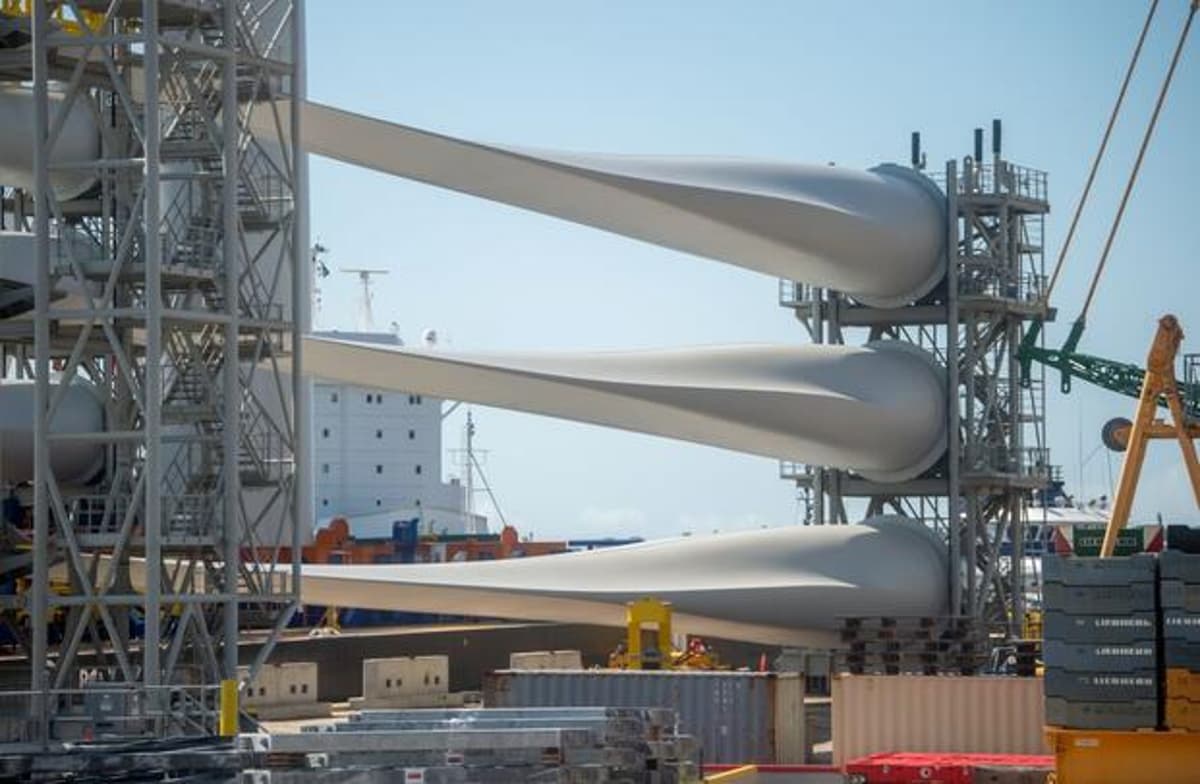
Offshore wind projects along the U.S. East Coast have become flashpoints for a clash between renewable‑energy ambitions and national‑security rhetoric. The Pentagon’s recent classification‑driven halt‑work order against Revolution Wind revives an old concern: turbine blades generating radar clutter that could impair Air Force and Navy detection systems. While the specific risk remains undisclosed, prior inter‑agency assessments—including a 2023 BOEM report—concluded that mitigation measures, such as software patches and operational offsets, adequately addressed any interference. This background suggests the current claim may be more political than technical, reflecting lingering skepticism from the previous administration rather than a fresh threat.
Legal challenges have reinforced the industry’s position. Judges in three separate cases have demanded concrete evidence of an imminent emergency before allowing a shutdown, and each time the government failed to meet that burden. The rulings not only keep the Revolution Wind project—87% complete and slated to deliver 880 MW to the New England grid—on track, but also protect the broader offshore wind pipeline that underpins state renewable mandates. The courts’ insistence on transparency underscores a growing expectation that defense agencies justify classified actions when they jeopardize multi‑billion‑dollar private investments and thousands of jobs.
The broader stakes extend beyond a single lease. As the Biden administration pushes for 30 GW of offshore wind by 2030, unresolved security disputes could stall critical infrastructure, erode investor confidence, and delay climate goals. A clear, collaborative framework between the Department of Defense and the energy sector—mirroring the earlier multi‑agency reviews—could reconcile radar safety with renewable expansion. Establishing transparent protocols for future projects would mitigate the risk of ad‑hoc classified orders, ensuring that national‑security safeguards complement, rather than obstruct, the United States’ transition to clean energy.
Pentagon Brushes Off Request to Understand How Wind Turbines Threaten National Security
0
Comments
Want to join the conversation?
Loading comments...