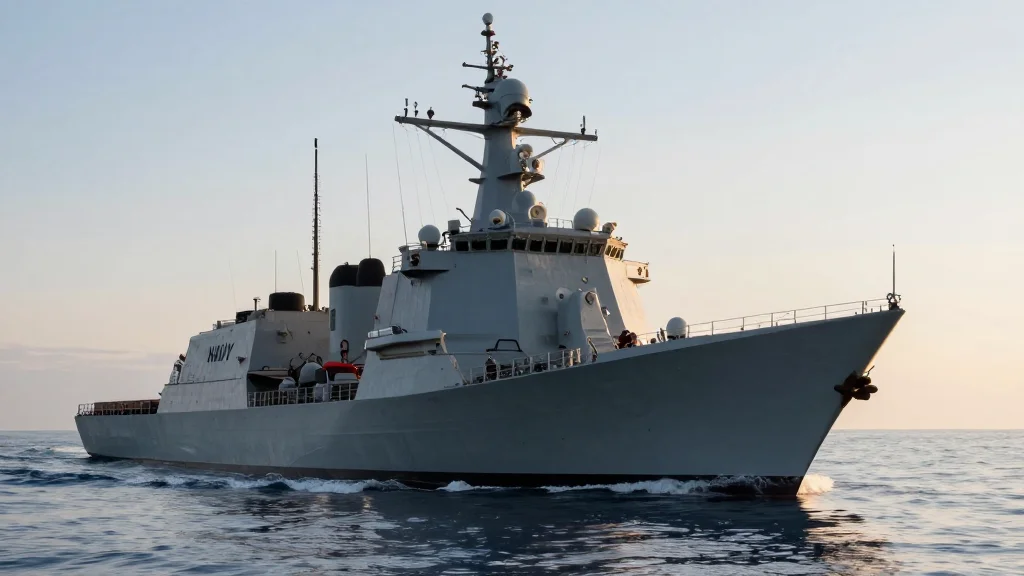
Pentagon Chief Urges Allies to Boost Defence Spending Amid ’Alarm’ over China’s Buildup
Why It Matters
The push for higher allied spending reshapes burden‑sharing in the Indo‑Pacific, driving a wave of procurement and industrial activity while tightening strategic cohesion against China’s rise.
Key Takeaways
- •Hegseth calls for Asian allies to spend 3.5% of GDP on defence.
- •U.S. pledges $1.5 trillion to modernize its own military.
- •China's rapid military buildup triggers 'rightful alarm' among U.S. officials.
- •Trump administration pressures allies to stop free‑riding on U.S. security.
- •Increased U.S.–China military‑to‑military contacts coexist with heightened tensions.
Pulse Analysis
At the Shangri‑La Dialogue, Defence Secretary Pete Hegseth framed China’s expanding arsenal as a "rightful alarm" for the region. By citing the United States’ own $1.5 trillion modernization plan, he positioned the U.S. as a catalyst for a broader coalition of self‑reliant partners. The speech underscored a strategic pivot: rather than relying on American firepower alone, Asian nations are expected to invest heavily in their own capabilities, a shift that could accelerate defense budgeting cycles across Japan, South Korea, Australia and the Philippines.
The 3.5% of GDP target, while ambitious, aligns with NATO’s long‑standing benchmark and signals a new fiscal baseline for Indo‑Pacific allies. Defense contractors anticipate a surge in orders for advanced air, naval and missile systems as countries scramble to meet the threshold. This spending push also opens opportunities for joint development programs, technology transfers, and local production lines, potentially reshaping the regional defense industrial base and creating new export markets for U.S. firms.
Politically, the message dovetails with President Donald Trump’s rhetoric that the era of U.S. subsidising wealthy allies is over. By demanding “skin in the game,” the administration seeks to reinforce alliance credibility while managing domestic pressure on defense budgets. Yet Hegseth’s acknowledgement of improved U.S.–China military‑to‑military communication hints at a nuanced approach: deterrence through strength, not escalation. The outcome will likely influence future diplomatic engagements, alliance negotiations, and the overall balance of power in the Pacific.
Pentagon chief urges allies to boost defence spending amid ’alarm’ over China’s buildup
Comments
Want to join the conversation?
Loading comments...