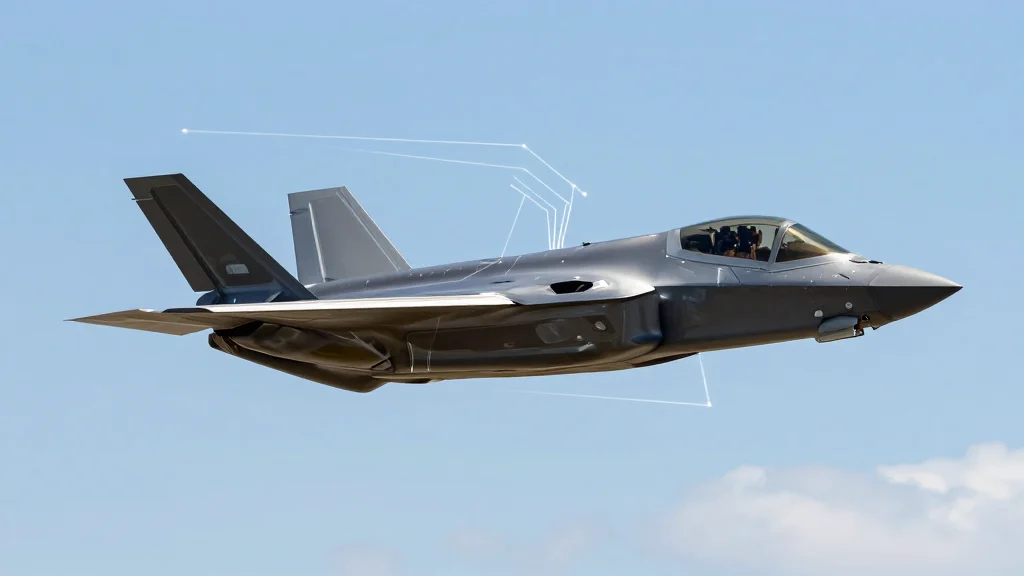
Pentagon Prepares F-35 for Quantum Computing Threat
Why It Matters
Quantum‑ready encryption ensures the F‑35’s data remains secure as quantum computers mature, preserving operational advantage and allied interoperability. The move signals a shift toward proactive cyber resilience in high‑value defense assets.
Key Takeaways
- •F‑35 encryption will switch to NIST‑approved quantum‑resistant algorithms
- •Software update scheduled for rollout in late 2026, testing early 2027
- •Quantum‑ready measures protect classified mission data from future attacks
- •Defense sector adopts unified cyber‑resilience standards across platforms
Pulse Analysis
Quantum computing poses a looming threat to conventional cryptography, as its ability to solve complex mathematical problems could render today’s encryption obsolete. The Department of Defense has responded by issuing mandates for quantum‑resistant algorithms, a move that reflects a broader shift from reactive to proactive cyber defense. For the F‑35, the world’s most advanced multirole fighter, securing data links, mission plans, and sensor feeds is critical; a breach could compromise not only a single aircraft but entire strike packages and allied operations.
The F‑35 Joint Program Office’s decision to retrofit the In‑Line File Encryption Device represents the first major hardware‑level adaptation to these new standards. Engineers are integrating algorithms vetted by the National Institute of Standards and Technology, ensuring compatibility with existing avionics while meeting stringent performance criteria. The timeline—software deployment in late 2026 followed by rigorous flight‑test validation in early 2027—balances urgency with the need for exhaustive verification, given the aircraft’s global fleet of over 800 units and its role in joint NATO missions.
Beyond the F‑35, this initiative sets a precedent for the defense acquisition community. By embedding quantum‑resistant cryptography early in the lifecycle, the Pentagon reduces costly retrofits later and encourages allied partners to adopt uniform security protocols. The ripple effect could accelerate quantum‑ready upgrades across other platforms, from unmanned aerial systems to ground‑based command networks, reinforcing the United States’ strategic edge in an era where computational breakthroughs could redefine the battlefield.
Pentagon Prepares F-35 for Quantum Computing Threat
Comments
Want to join the conversation?
Loading comments...