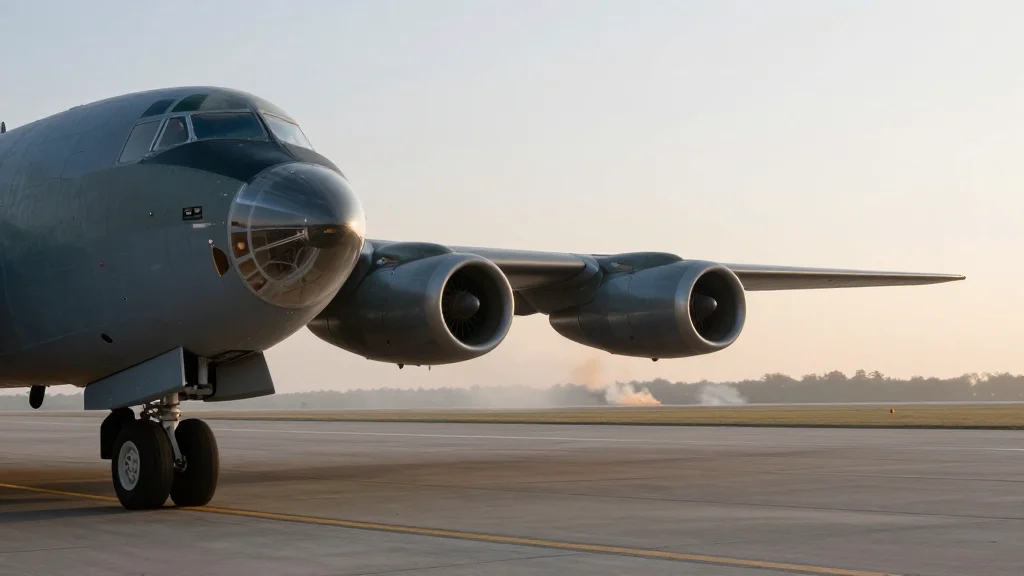
Pentagon Probes Massive Fire at RAF Fairford, Key US Bomber Hub for Iran Strikes

Why It Matters
RAF Fairford is one of the few European airfields capable of supporting the United States' heavy bomber fleet, making it a strategic asset for power projection and rapid response. An interruption at the base could force the Pentagon to rely on longer, more vulnerable flight paths, raising operational costs and exposing aircraft to additional threats. The fire also highlights the growing security challenges faced by overseas U.S. installations, where local protests and potential hostile actors can create flashpoints that strain alliance cohesion. Beyond the immediate tactical concerns, the incident tests the resilience of the U.S.–UK defense partnership. Both governments have invested heavily in the base’s infrastructure to ensure uninterrupted bomber operations against Iran. Any perceived weakness could embolden adversaries, from Tehran to Moscow, and may prompt a reassessment of how the United States secures its forward‑deployed assets in allied territories.
Key Takeaways
- •Pentagon opened an investigation into a fire that gutted a commissary at RAF Fairford.
- •No injuries were reported; the blaze was contained without damage to runways.
- •RAF Fairford hosts U.S. B‑52 and B‑2 bombers, cutting Iran mission flight time by roughly 50%.
- •Authorities suspect possible sabotage amid protests and alleged Russian‑linked threats.
- •A joint U.S.–UK assessment will be completed within two weeks to determine security upgrades.
Pulse Analysis
The RAF Fairford fire underscores a broader trend: overseas U.S. bases are increasingly vulnerable to both physical sabotage and political pressure. Historically, forward‑deployed bomber sites have been hardened against conventional threats, but the rise of hybrid warfare—combining protest, cyber‑intrusion, and covert sabotage—requires a new security calculus. The Pentagon’s swift investigative response signals an awareness that any disruption can have outsized strategic effects, especially when the asset in question enables rapid strike capability against a near‑peer adversary like Iran.
From a market perspective, the incident may prompt defense contractors to accelerate sales of hardened infrastructure and advanced force‑protection systems. Companies that provide perimeter security, fire suppression, and rapid‑response engineering services could see a spike in demand from both U.S. and allied ministries of defense. Moreover, the episode could influence future basing negotiations, with the United Kingdom possibly seeking greater cost‑sharing for upgrades, while Washington may push for more robust intelligence sharing to pre‑empt sabotage.
Looking ahead, the fire could serve as a catalyst for a reassessment of the U.S. basing footprint in Europe. If the investigation uncovers a credible sabotage plot, NATO allies might collectively invest in a layered security architecture that blends traditional military guard forces with civilian emergency services and cyber‑defense teams. Such a shift would not only protect critical assets like RAF Fairford but also reinforce alliance solidarity at a time when transatlantic cooperation is under strain from divergent policy approaches to Iran and other flashpoints.
Pentagon probes massive fire at RAF Fairford, key US bomber hub for Iran strikes
Comments
Want to join the conversation?
Loading comments...