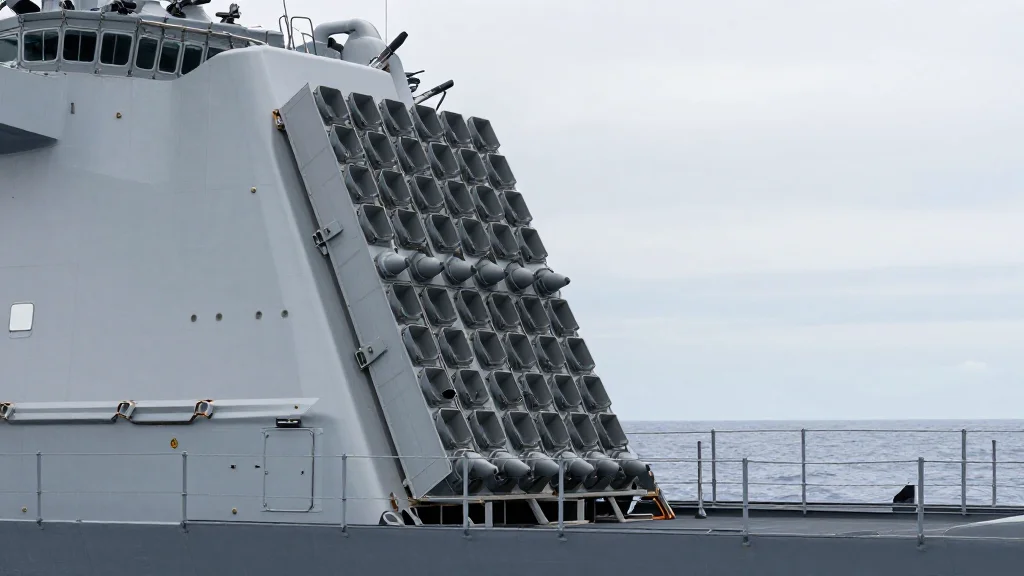
Pentagon Reports $29 B Iran War Cost as Missile Stockpiles Dwindle, Sparking Budget Concerns

Why It Matters
The $29 billion price tag for the Iran war pushes the U.S. defense budget toward historic highs, squeezing resources that were earmarked for other priority areas such as the Indo‑Pacific. Depleted missile inventories not only jeopardize the United States’ ability to sustain the current conflict but also erode deterrence against China, raising the risk of a broader strategic competition. Moreover, the reliance on rare‑earth minerals dominated by China creates a supply‑chain vulnerability that could be weaponized in future geopolitical disputes. If Congress does not address the funding gap and the logistical shortfalls, the United States could face a credibility gap with allies who depend on American security guarantees. Restoring stockpiles will require significant industrial capacity, potentially prompting new legislation to boost domestic production of critical components and diversify mineral sources. The outcome of these budgetary battles will shape U.S. military readiness for years to come.
Key Takeaways
- •Pentagon reports Iran war cost has risen to nearly $29 billion, $4 billion above a two‑week‑old estimate.
- •U.S. has used about one‑third of its Tomahawk cruise‑missile stock and over half of its Patriot, SM‑3 and THAAD interceptors.
- •CSIS estimates 1‑4 years needed to rebuild seven key missile types to pre‑war levels.
- •Defense Secretary Pete Hegseth will discuss missile shortages during his upcoming trip to Beijing with President Trump.
- •China supplies roughly 90 % of rare‑earth minerals needed for advanced U.S. weapon systems.
Pulse Analysis
The Pentagon’s $29 billion war estimate is more than a line‑item; it signals a structural shift in how the United States finances high‑intensity conflict. Historically, wars in the Middle East have been absorbed within a broader defense budget, but the rapid escalation of costs this time reflects both the intensity of the Iran campaign and the logistical complexity of operating from multiple forward bases. The fiscal pressure is likely to force the Department of Defense to re‑evaluate its acquisition strategy, potentially accelerating the push for domestic production of critical components and a more resilient supply chain.
At the same time, the depletion of missile stockpiles reveals a chronic under‑investment in munitions that predates the Iran war. The United States entered the conflict with inventories already deemed insufficient for a peer‑competitor scenario, a shortfall that the war has now magnified. This reality could embolden adversaries, particularly China, who may perceive a window of reduced U.S. deterrence in the Pacific. The strategic calculus for Washington will therefore hinge on how quickly it can replenish its arsenals while balancing competing budgetary demands.
Finally, the political dimension cannot be ignored. As the cost figure circulates on Capitol Hill, lawmakers will likely demand tighter oversight and a clearer exit strategy for the Iran engagement. The outcome of those debates will shape not only the next defense appropriations bill but also the broader narrative of U.S. military commitment abroad. If Congress imposes stricter spending caps, the Pentagon may be forced to prioritize certain theaters over others, potentially reshaping the United States’ global force posture for the next decade.
Pentagon reports $29 B Iran war cost as missile stockpiles dwindle, sparking budget concerns
Comments
Want to join the conversation?
Loading comments...