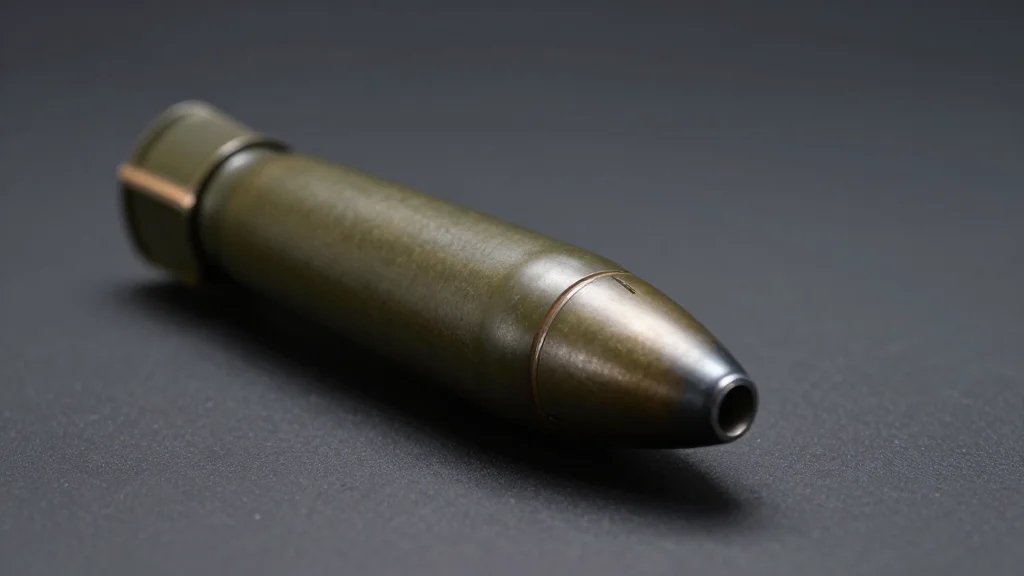
Pentagon Reports No New Munitions Contracts as Iran War Drains Stockpiles

Why It Matters
The absence of new munitions contracts threatens the United States’ ability to sustain high‑intensity operations in the Middle East, potentially forcing commanders to curtail air strikes or ground fire missions. Simultaneously, the accelerated strike‑weapon acquisition program signals a strategic shift toward rapid, technology‑driven firepower, which could reshape the balance of power in the region and set a new precedent for defense procurement speed. Together, these dynamics highlight a critical tension between maintaining existing stockpiles and fielding next‑generation capabilities, a balance that will influence U.S. warfighting readiness for years to come. If the Pentagon cannot quickly close the munitions gap, allies may question the reliability of U.S. support, while adversaries could exploit perceived vulnerabilities. Conversely, a successful fast‑track strike‑weapon rollout could restore deterrence, reinforce coalition confidence, and demonstrate that the U.S. industrial base can adapt to emergent threats.
Key Takeaways
- •Pentagon has signed no new munitions contracts in the past 30 days despite low stockpiles.
- •War with Iran has driven ammunition inventories to "dangerously low" levels.
- •Senate Armed Services Committee Chairman Roger Wicker praised a fast‑track strike‑weapon acquisition effort.
- •The accelerated program aims to field new precision‑guided and hypersonic weapons within 12‑18 months.
- •Upcoming Pentagon procurement plan will address how to balance munitions replenishment with rapid strike‑weapon buys.
Pulse Analysis
The current procurement paradox underscores a deeper structural issue in U.S. defense acquisition: legacy processes are mismatched to the tempo of modern conflicts. The Iran war has exposed how quickly conventional munitions can be depleted, a scenario that traditional multi‑year contracting cycles cannot accommodate. This gap forces the Pentagon to choose between a short‑term stop‑gap—potentially invoking emergency funding or foreign military sales—and a longer‑term overhaul of its supply‑chain architecture.
Wicker’s push for rapid strike‑weapon procurement reflects a bipartisan consensus that next‑generation capabilities must be delivered at a pace comparable to commercial tech cycles. By leveraging existing production lines and commercial components, the Department hopes to compress development timelines dramatically. However, this approach carries risks: accelerated testing may overlook reliability issues, and the focus on high‑tech weapons could divert resources from the very munitions that frontline units need today.
Looking ahead, the Pentagon’s forthcoming procurement plan will be a litmus test for its ability to reconcile these competing demands. If it can secure emergency contracts for essential ammunition while simultaneously fielding new strike systems, it will demonstrate a flexible, resilient acquisition model. Failure to do so could erode confidence among allies and embolden adversaries, reshaping strategic calculations across the Indo‑Pacific and Middle East theaters.
Pentagon Reports No New Munitions Contracts as Iran War Drains Stockpiles
Comments
Want to join the conversation?
Loading comments...