
Why It Matters
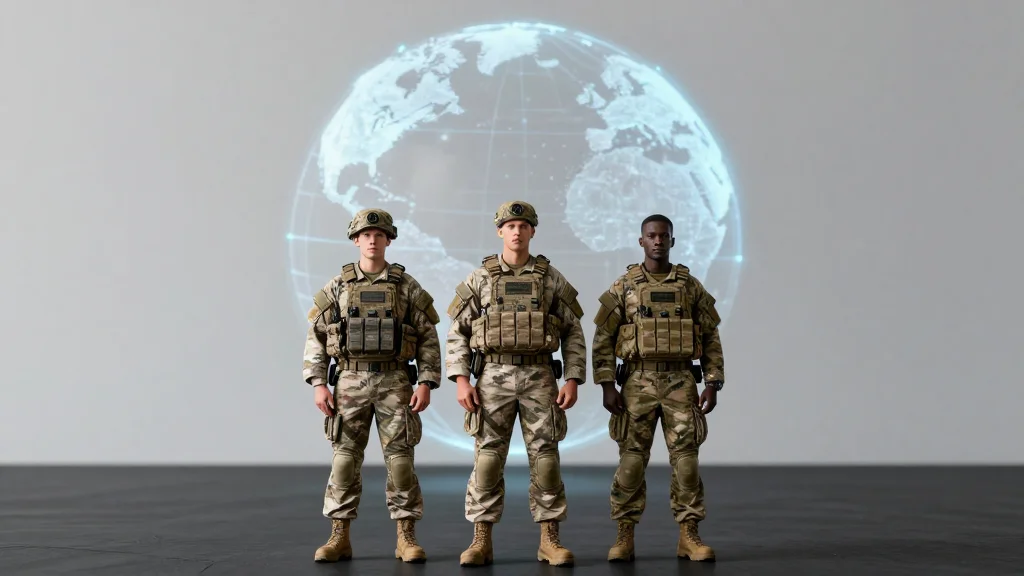
A 44,500‑person increase would be the most significant boost to U.S. force size in over two decades, signaling a shift from the post‑Cold War trend of leaner, technology‑centric forces toward a manpower‑heavy posture. The move reflects heightened concerns about great‑power competition in the Indo‑Pacific, where sheer troop numbers can underpin forward presence, joint exercises, and rapid response capabilities. It also places pressure on the defense industrial base to supply additional equipment, training services, and support infrastructure, potentially reshaping procurement priorities. Congressional approval will test the administration’s ability to secure funding for both personnel and the associated logistics, while also exposing the political calculus of expanding the military amid competing domestic spending demands. The outcome will influence not only recruitment pipelines but also broader debates about the optimal mix of human and technological assets in future warfare.
Key Takeaways
- •Pentagon requests 44,500 additional troops in FY2027 budget.
- •Expansion tied to a historic $1.5 trillion defense spending plan.
- •Breakdown: Army (+15,000 active, +3,300 Guard), Navy (+12,000), Air Force (+11,700), Marine Corps (+1,400 active, +1,100 reserve).
- •Recruiting rebound credited to pre‑boot camp programs and improved labor market conditions.
- •Strategic rationale centers on deterrence in the Pacific, border security, and Middle East commitments.
Pulse Analysis
The proposed manpower surge marks a strategic inflection point for the U.S. military. After years of emphasizing high‑tech platforms and leaner force structures, the Pentagon is now betting that a larger pool of warfighters will enhance credibility in a multi‑theater environment. Historically, force expansions have been driven by clear, imminent threats; today, the impetus appears to be a blend of strategic competition with China and the need to sustain operations across dispersed regions.
From a budgetary perspective, the $1.5 trillion envelope leaves limited wiggle room for the additional personnel costs, which include salaries, benefits, training, and equipment. The administration will likely need to reallocate funds from other programs or seek efficiencies in procurement to avoid overruns. Moreover, the quality‑of‑recruits could become a focal point of congressional oversight, especially if the rapid scaling outpaces the capacity of training pipelines, echoing concerns raised in internal assessments.
Looking ahead, the success of this expansion will hinge on three variables: congressional willingness to fund the increase, the military’s ability to maintain recruit quality, and the broader geopolitical environment that justifies a larger standing force. If the budget clears, we can expect a cascade of policy adjustments—from expanded recruiting offices to upgraded training facilities—setting the stage for a more robust, albeit more costly, U.S. defense posture in the 2020s.
Pentagon Requests 44,500 Additional Troops in FY2027 Budget
Comments
Want to join the conversation?
Loading comments...