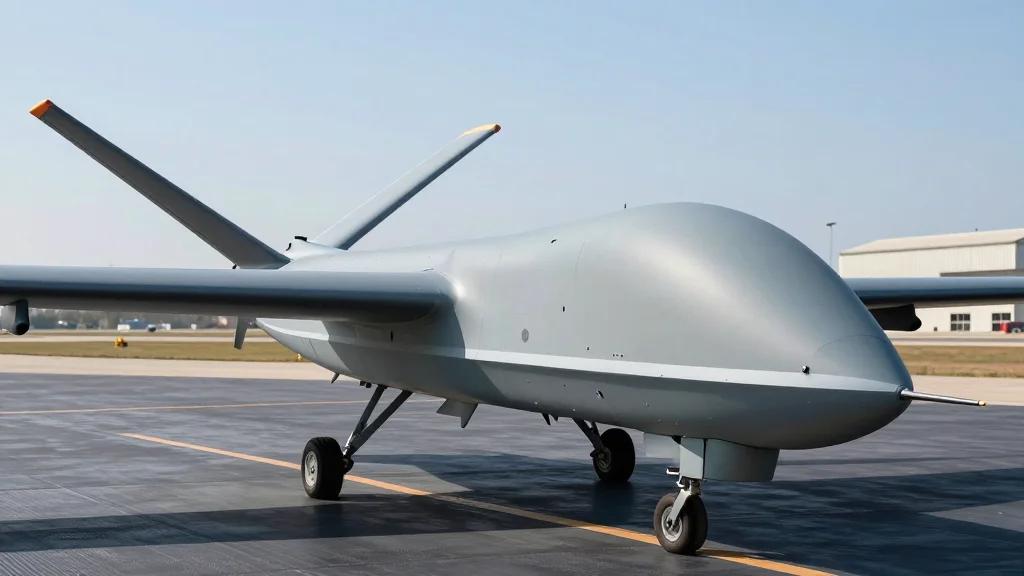
Pentagon Requests $75 B for FY27 Drone Programs, DAWG Gets $54.6 B Boost

Companies Mentioned
Why It Matters
The DAWG funding surge represents a strategic pivot toward autonomous warfare, signaling that the U.S. military intends to field large numbers of attritable drones faster than any previous effort. By allocating more than the entire Marine Corps budget to a single unmanned‑systems office, the Pentagon is betting that autonomous platforms will become a cornerstone of future combat operations, potentially reshaping force structure and doctrine. For the defense industry, the $54.6 billion line creates a massive, near‑term market for drone manufacturers, software developers, and integration firms. Companies that can demonstrate rapid, reliable fielding of autonomous systems will capture a disproportionate share of contracts, while those lagging in technology risk being sidelined. The counter‑drone investment also underscores the growing threat of hostile UAVs, prompting a parallel market for detection, jamming, and kinetic defeat solutions.
Key Takeaways
- •Pentagon requests $75 billion for drones and counter‑drone programs in FY27.
- •DAWG budget jumps 243‑fold to $54.6 billion, the largest year‑over‑year boost of any defense program.
- •Counter‑drone funding rises from $6.5 million to $580.3 million.
- •DAWG’s allocation exceeds the entire Marine Corps FY27 budget request of $52.8 billion.
- •Major contractors like Lockheed Martin, Northrop Grumman, and Boeing are poised to compete for the new procurement pool.
Pulse Analysis
The FY27 drone budget marks a watershed moment for autonomous warfare, but the scale of the DAWG increase raises questions about execution risk. Historically, rapid procurement spikes have led to cost overruns and capability gaps when programs lack mature technology. DAWG inherits a troubled Replicator legacy—fielding only hundreds of systems against a target of thousands—so Congress will likely demand rigorous milestones and transparent reporting.
From a market perspective, the infusion of $54.6 billion creates a "gold rush" environment. Established prime contractors have the infrastructure to absorb large contracts, yet the Pentagon’s emphasis on rapid fielding may open doors for agile startups that can deliver swarming AI, low‑cost attritable airframes, and advanced autonomy software. Companies that can integrate commercial off‑the‑shelf components with military‑grade resilience will have a competitive edge, potentially reshaping the supplier base.
Strategically, the budget reflects a doctrinal shift: the U.S. is moving from a platform‑centric force to one that leverages disposable, networked drones to achieve over‑match in contested environments. If DAWG can meet its procurement targets, the U.S. could field swarms capable of overwhelming enemy air defenses, providing a decisive advantage in high‑intensity conflicts. Conversely, failure to deliver could erode confidence in autonomous systems and slow future investments. The upcoming congressional hearings will be the first litmus test for whether policymakers are willing to back this aggressive autonomous push or temper it with tighter oversight.
Pentagon Requests $75 B for FY27 Drone Programs, DAWG Gets $54.6 B Boost
Comments
Want to join the conversation?
Loading comments...