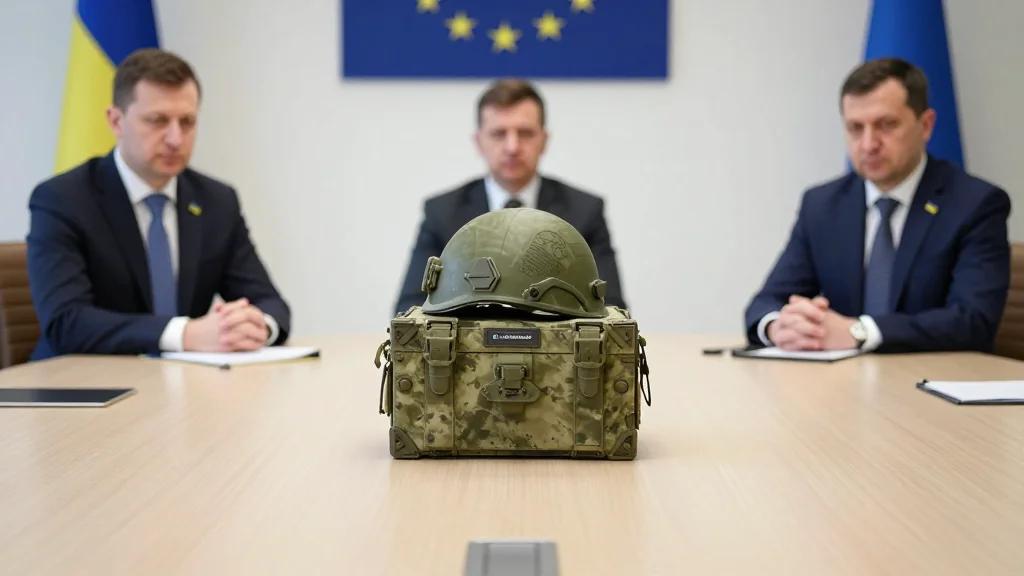
Pentagon Says Ukraine Support Can’t Rely on American Contributions
Why It Matters
The pivot forces Europe to fund and produce Ukraine’s defense, reshaping transatlantic burden‑sharing and testing the resilience of the European defense industrial base.
Key Takeaways
- •Pentagon warns U.S. aid to Ukraine unsustainable, urges European lead
- •Europe increased military aid 67% in 2025, offsetting U.S. cut
- •NATO Prioritised Ukraine Requirements List raised €3.7B (~$4B) for weapons purchases
- •Germany, UK, Netherlands pledge new drones and air‑defense systems
Pulse Analysis
The Pentagon’s latest messaging marks a decisive turn in U.S. policy toward Kyiv. After years of drawing down finite American stockpiles, senior official Elbridge Colby signaled that the United States will no longer fund Ukraine’s conventional warfighting, preferring to sell weapons under the NATO‑led Prioritised Ukraine Requirements List. This shift aligns with Vice President JD Vance’s public celebration of ending direct U.S. arms shipments, reflecting a broader strategic recalibration toward domestic threat priorities.
European partners have responded with a surge in both financial and material support. According to the Kiel Support Tracker, Europe’s military aid rose 67% in 2025, partially compensating for the 99% drop in U.S. contributions. The Prioritised Ukraine Requirements List secured roughly €3.7 billion—about $4 billion—for procurement, while Germany pledged domestically produced Patriot missiles and IRIS‑T systems, the United Kingdom committed 120,000 drones, and the Netherlands earmarked hundreds of millions of euros for additional drone capabilities. These commitments aim to close Ukraine’s critical air‑defense gaps.
The emerging burden‑sharing model carries significant implications for the defense industry and geopolitical stability. Europe’s intensified production and procurement efforts will test the capacity of its defense supply chain, potentially accelerating domestic missile and drone programs. At the same time, the United States’ move to a sales‑only framework could generate revenue while limiting direct involvement, but it also risks creating dependency on American‑made platforms. Ultimately, the sustainability of Ukraine’s defense now hinges on Europe’s ability to fund, produce, and integrate advanced systems, reshaping the transatlantic security architecture for the foreseeable future.
Pentagon says Ukraine support can’t rely on American contributions
Comments
Want to join the conversation?
Loading comments...