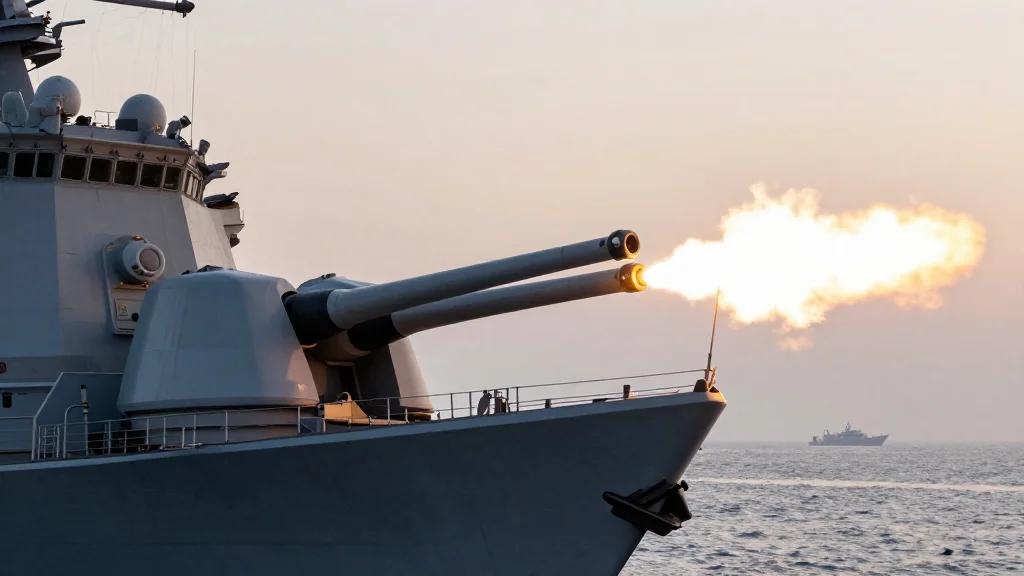
Pentagon Turmoil: Trump Fires Navy Secretary Phelan as Iran Tensions Escalate

Why It Matters
The firing of Navy Secretary John Phelan amid an escalating naval standoff with Iran signals a profound leadership crisis within the Pentagon. Rapid turnover at senior defense posts can undermine strategic continuity, complicate operational planning, and erode confidence among allies who rely on predictable U.S. military policy. Moreover, Trump's explicit order to "shoot and kill" Iranian vessels raises the stakes of a maritime confrontation that could quickly spiral into a wider regional conflict, threatening global oil supplies that flow through the Strait of Hormuz. The episode also illustrates how domestic political dynamics intersect with defense policy. With Trump's approval ratings hovering in the low‑30s percent, his hard‑line rhetoric may be aimed at rallying his base, yet it risks entangling the United States in a costly escalation. The Pentagon’s internal discord could hamper the execution of any diplomatic de‑escalation, making the resolution of the Hormuz crisis more uncertain and potentially destabilizing global energy markets.
Key Takeaways
- •President Trump ordered the Navy to "shoot and kill" any Iranian boat laying mines in the Strait of Hormuz.
- •Defense Secretary Pete Hegseth dismissed Navy Secretary John Phelan, marking the second senior Pentagon firing in three weeks.
- •U.S. Central Command reported 33 vessels ordered to turn back or return to port since the blockade began.
- •Iranian officials vowed to resist, with Parliament Speaker Mohammad Bagher Ghalibaf promising retaliation.
- •Pakistan’s interior minister met U.S. officials to discuss a second round of Iran‑U.S. peace talks.
Pulse Analysis
The Pentagon’s leadership turbulence is more than a personnel shuffle; it reflects a deeper strategic dilemma. On one hand, the Trump administration is leveraging overt military threats to extract concessions from Tehran, betting that a visible show of force will force Iran back to the negotiating table. On the other, the rapid dismissal of senior officials like John Phelan erodes institutional memory and may impair the Navy’s ability to execute complex maritime operations under pressure. Historically, such high‑level turnover during crises—think the 2003 Iraq war reshuffles—has led to operational delays and mixed messaging, which adversaries can exploit.
From a market perspective, the heightened risk premium on oil is already evident, with Brent futures spiking above $105 per barrel after Trump’s announcement. If the U.S. escalates further, insurance costs for shipping through the Gulf could soar, and global supply chains could face disruptions that reverberate beyond energy markets into broader commodity pricing. Conversely, a swift diplomatic breakthrough—potentially brokered by Pakistan—could defuse the immediate flashpoint, but only if the Pentagon presents a unified command structure capable of delivering credible deterrence while leaving room for negotiation. The coming days will test whether the U.S. can reconcile its aggressive rhetoric with the need for stable, coherent defense leadership.
Pentagon Turmoil: Trump Fires Navy Secretary Phelan as Iran Tensions Escalate
Comments
Want to join the conversation?
Loading comments...