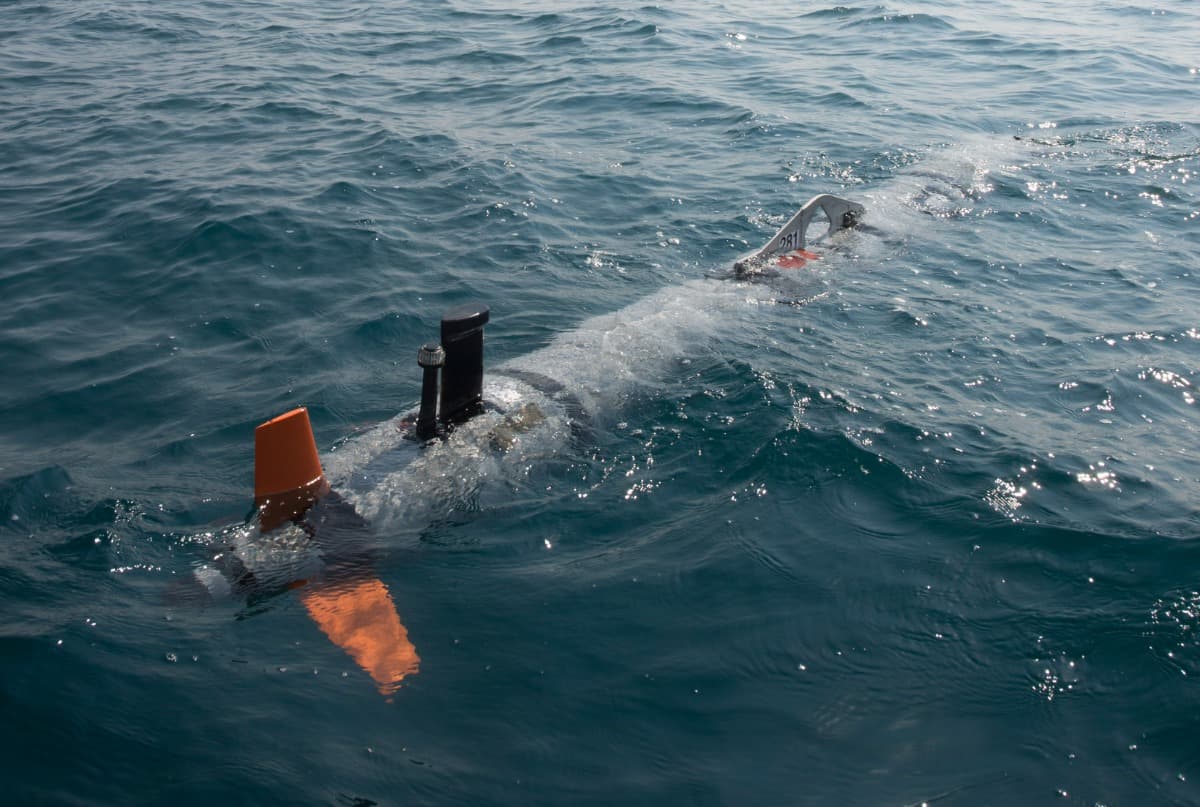
Pentagon Wants Miniature Deep-Ocean Drones
Why It Matters
Miniaturized, full‑depth AUVs would give the U.S. a rapid, cost‑effective tool for undersea domain awareness, countering adversary surveillance and protecting critical submarine cable infrastructure. The initiative also opens a new market for high‑performance marine technologies.
Key Takeaways
- •DARPA seeks miniaturized AUVs that can dive to full‑ocean depth
- •Program runs 24 months, with abstracts due May 21, 2026
- •Two technical areas: unclassified TA1 and classified TA2
- •Emphasis on novel materials, advanced manufacturing, and scalable production
- •Success could reshape undersea surveillance and infrastructure monitoring
Pulse Analysis
The Deep Thoughts solicitation arrives at a time when the strategic value of the ocean floor is accelerating. While existing deep‑sea autonomous vehicles are large, costly, and produced in limited numbers, DARPA’s push for miniature platforms forces engineers to rethink pressure‑vessel architecture from the ground up. By demanding new alloys, composites, and free‑form manufacturing techniques, the program is likely to catalyze breakthroughs that spill over into commercial sectors such as offshore energy, scientific exploration, and subsea robotics.
Beyond materials, the program’s dual‑track structure reflects the growing convergence of civilian and defense undersea needs. TA1 invites unclassified research that can be shared with academia and industry, fostering a broader ecosystem of suppliers. TA2, meanwhile, targets classified missions—mine countermeasures, undersea surveillance, and secure communications—requiring secret‑level facilities and personnel. This bifurcated approach ensures that innovations can be rapidly transitioned from prototype to operational use while safeguarding national security interests.
If successful, DARPA’s mini‑AUVs could transform how the United States monitors submarine cables, detects hostile undersea activity, and conducts environmental assessments. A fleet of affordable, deep‑depth drones would enable persistent, high‑resolution mapping of the seabed, reducing reliance on expensive manned submersibles. The commercial market stands to benefit as well, with shipbuilders and sensor manufacturers poised to adopt the new manufacturing processes. In short, Deep Thoughts not only tackles a formidable engineering challenge but also promises to reshape the economics and capabilities of undersea operations across both defense and civilian domains.
Pentagon wants miniature deep-ocean drones
Comments
Want to join the conversation?
Loading comments...