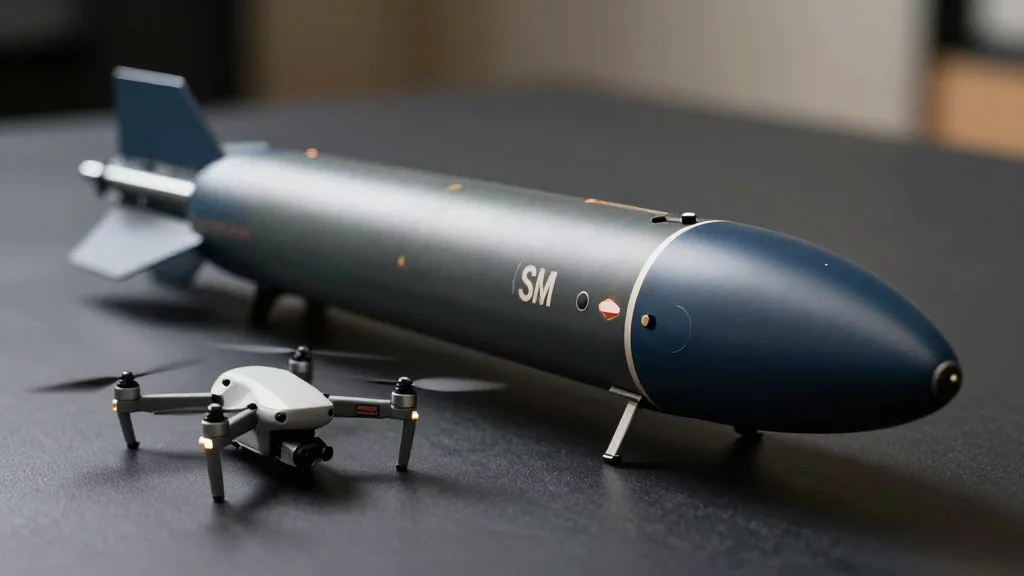
Pentagon’s $200‑Million Missile Spend Highlights Mismatch Against $2,000 Drones

Why It Matters
The cost disparity between high‑priced missiles and cheap drones threatens to erode the United States’ ability to sustain prolonged counter‑drone operations, especially in contested regions where adversaries can field thousands of low‑cost UAVs. A prolonged reliance on expensive interceptors could force the Pentagon to divert funds from other critical programs, weakening overall readiness and potentially compromising allied support. Beyond the immediate budgetary impact, the mismatch signals a deeper procurement challenge: the U.S. acquisition system is tuned for precision, high‑value platforms rather than the rapid, high‑volume solutions needed to counter swarming threats. Addressing this gap will require not only new technology but also a cultural shift toward faster, more flexible procurement processes that can keep pace with the evolving drone landscape.
Key Takeaways
- •Pentagon fired >200 SM‑2 missiles since late 2023, each costing ~$2.1 million
- •Targeted drones cost roughly $2,000 each, a >1,000‑to‑1 cost ratio
- •Hundreds of millions of dollars have been spent on these engagements
- •Ukraine’s interceptor drones cost $1,200‑$4,700 and achieve ~80% interception rate
- •U.S. Patriot missile production is 500‑600 units per year, insufficient for high‑intensity drone wars
Pulse Analysis
The Pentagon’s current spend on SM‑2 missiles against cheap drones is a textbook case of misaligned procurement incentives. The defense acquisition system rewards programs that deliver cutting‑edge performance, often at the expense of affordability and scalability. In a battlefield where adversaries can mass‑produce drones for a few thousand dollars, the U.S. cannot afford to meet every threat with a $2 million missile. The financial calculus quickly becomes unsustainable, especially when multiple theaters demand simultaneous engagements.
Historically, the U.S. has corrected similar mismatches by embracing modular, low‑cost solutions—think the proliferation of the Stinger missile in the 1980s or the rapid fielding of the Javelin anti‑tank system in the 1990s. The drone challenge, however, is compounded by speed, altitude, and sheer numbers. Ukraine’s success with cheap interceptor drones illustrates that a decentralized production model, backed by a vibrant defense‑tech ecosystem, can outpace traditional, centralized procurement. If the United States wants to replicate that agility, it must incentivize smaller firms, streamline testing, and accept a degree of performance trade‑off in exchange for volume.
Looking ahead, congressional oversight is likely to intensify as the cost gap widens. Lawmakers may push for a “kill‑chain” budget line that funds sensors, data links, and low‑cost interceptors together, rather than siloed missile programs. The Pentagon’s response will shape whether the U.S. can maintain a credible deterrent against swarming drone attacks without draining its budget on one‑off, high‑price solutions. The stakes are clear: without a strategic pivot, the U.S. risks fighting a costly, unsustainable war of attrition against a cheap, proliferating threat.
Pentagon’s $200‑Million Missile Spend Highlights Mismatch Against $2,000 Drones
Comments
Want to join the conversation?
Loading comments...