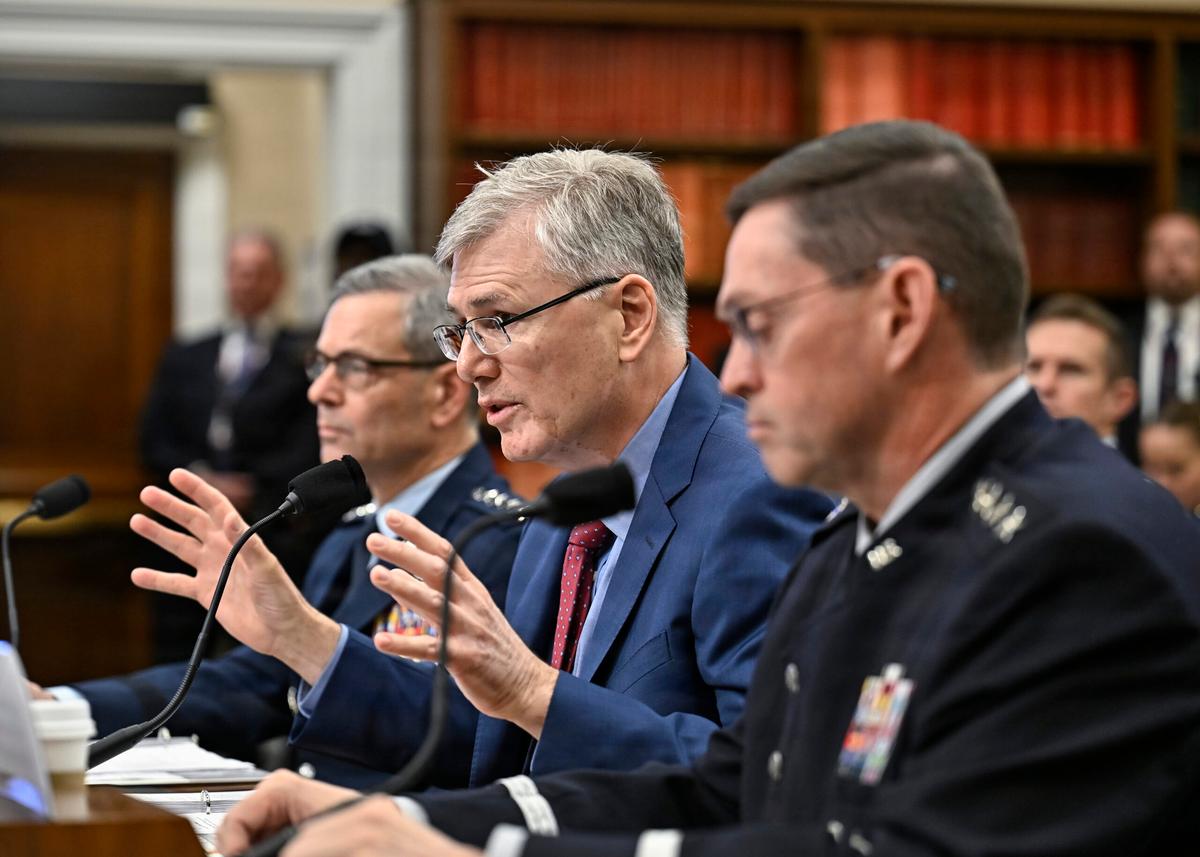
Pentagon’s Big Bet on Reconciliation Sparks Lawmaker Concerns
Why It Matters
The decision will dictate how flexibly the defense department can fund critical air and space capabilities while setting a precedent for bypassing traditional appropriations oversight, affecting both national security and future budgeting norms.
Key Takeaways
- •Pentagon seeks $350 B via reconciliation for FY27 budget
- •Reconciliation funding bypasses standard appropriations, needing simple‑majority vote
- •Air and Space Forces depend on mandatory money for F‑35s, missiles, DAWG
- •GOP margins tighten; midterms could jeopardize passage of the reconciliation bill
- •If reconciliation fails, programs must shift to discretionary or supplemental funding
Pulse Analysis
Reconciliation has become a strategic shortcut for the Pentagon, allowing mandatory spending that avoids the multi‑year appropriations cycle. Historically used for limited purposes, the tool was expanded last year with a $150 billion defense package, and the FY27 request pushes that envelope to $350 billion. By locking funds for five years, the department hopes to accelerate high‑tech programs—Golden Dome, DAWG, and next‑generation missile systems—while reducing the uncertainty of annual budget renewals. Yet this maneuver raises constitutional questions about congressional oversight, as the process concentrates power in the White House and a simple‑majority vote.
The political calculus is equally fraught. Republican majorities in both chambers have narrowed, and the November midterms could flip control, jeopardizing a bill that requires party cohesion. Simultaneously, lawmakers are juggling an immigration‑focused reconciliation effort, stretching the appetite for a third mandatory defense bill. Critics argue that the approach undermines the appropriations committees’ role, while supporters claim it provides the flexibility needed for rapidly evolving technologies. The debate reflects a broader tension between defense urgency and fiscal accountability.
Should the reconciliation package stall, the Pentagon faces a scramble to reallocate funds. Programs currently slated for mandatory spending would need to be absorbed into the discretionary budget or addressed through supplemental appropriations, potentially delaying critical acquisitions and inflating costs. Defense contractors could see project timelines shift, affecting supply chains and employment in the aerospace sector. Moreover, a failed reconciliation could set a precedent that discourages future use of the mechanism for large‑scale defense spending, prompting a return to more conventional, slower budgeting processes. The outcome will reverberate through the defense industrial base and shape how the United States funds its next generation of military capabilities.
Pentagon’s Big Bet on Reconciliation Sparks Lawmaker Concerns
Comments
Want to join the conversation?
Loading comments...