Why It Matters
Adding these platforms strengthens the Philippines’ maritime domain awareness and deterrence posture, signaling a shift toward a more capable, self‑reliant navy in a contested region.
Key Takeaways
- •Two vessels commissioned, boosting Philippine maritime security
- •OPV built by Hyundai delivered five months early
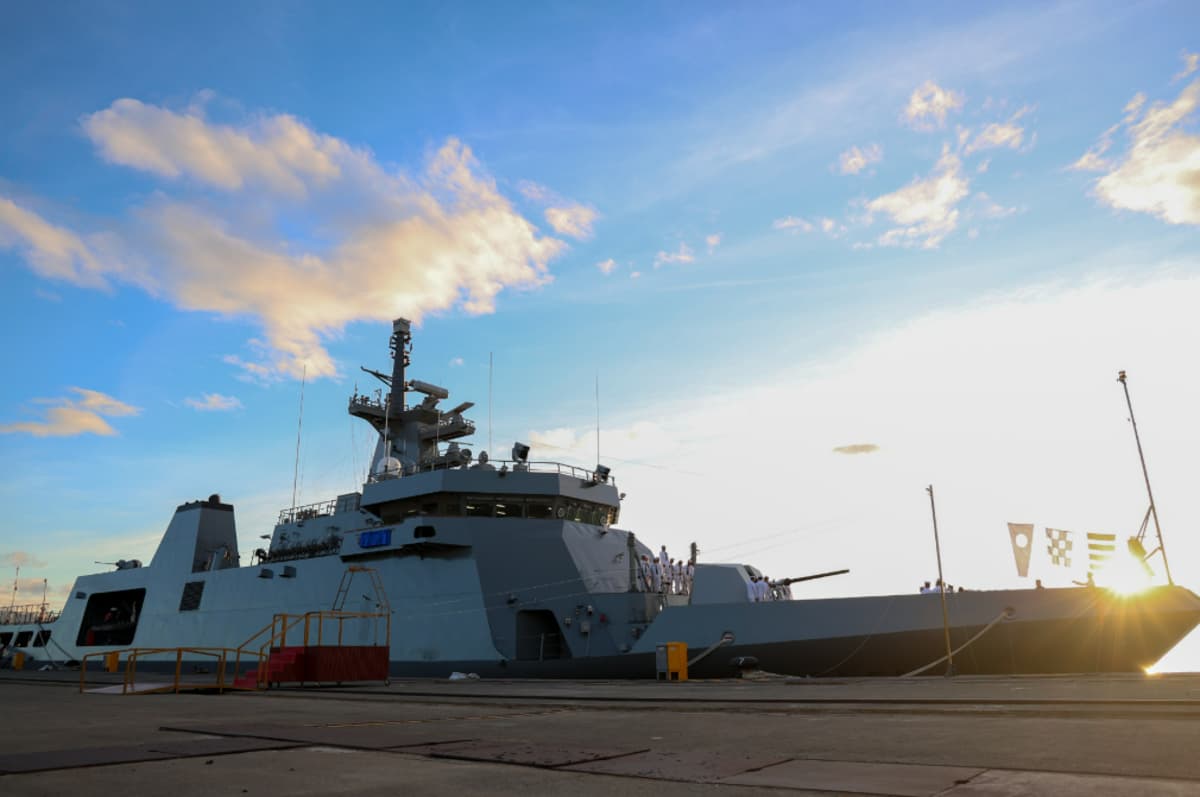
- •Rajah Sulayman equipped for anti‑submarine surveillance missions
- •Audrey Bañares fast attack craft honors fallen commando
- •Modernization underscores responsible defense, deterring regional threats
Pulse Analysis
The Philippines has been rapidly expanding its naval fleet to address a widening set of maritime challenges, from territorial disputes in the South China Sea to piracy and illegal fishing. By sourcing the BRP Rajah Sulayman from Hyundai Heavy Industries, Manila not only taps South Korea’s advanced shipbuilding expertise but also benefits from a delivery timeline that beat contractual expectations. Early entry into service accelerates the navy’s ability to conduct persistent patrols, integrate new sensor suites, and test modular mission packages that can be reconfigured for surveillance, humanitarian assistance, or combat operations.
Beyond the hardware, the symbolic naming of the vessels reinforces a narrative of resilience and sacrifice. Rajah Sulayman evokes the 16th‑century leader who resisted foreign incursion, while Audrey Bañares commemorates a modern‑era commando who fell defending national sovereignty. These stories boost morale and public support, linking historical continuity with contemporary security goals. Technically, the OPV’s acoustic detection system enhances anti‑submarine warfare capability, a critical gap for a navy traditionally focused on surface threats, while the fast‑attack craft provides rapid response options against small, fast‑moving targets.
Regionally, the additions signal to neighboring states and allies that the Philippines is moving from a largely defensive posture to a more proactive, deterrent stance. The expanded fleet improves interoperability with United States and Japanese forces conducting joint exercises, fostering a collective security framework. Looking ahead, the successful integration of these vessels may pave the way for further acquisitions, including larger frigates and amphibious platforms, cementing the Philippines’ role as a stabilizing maritime actor in Southeast Asia.
Philippine Navy commissions two naval vessels
0
Comments
Want to join the conversation?
Loading comments...