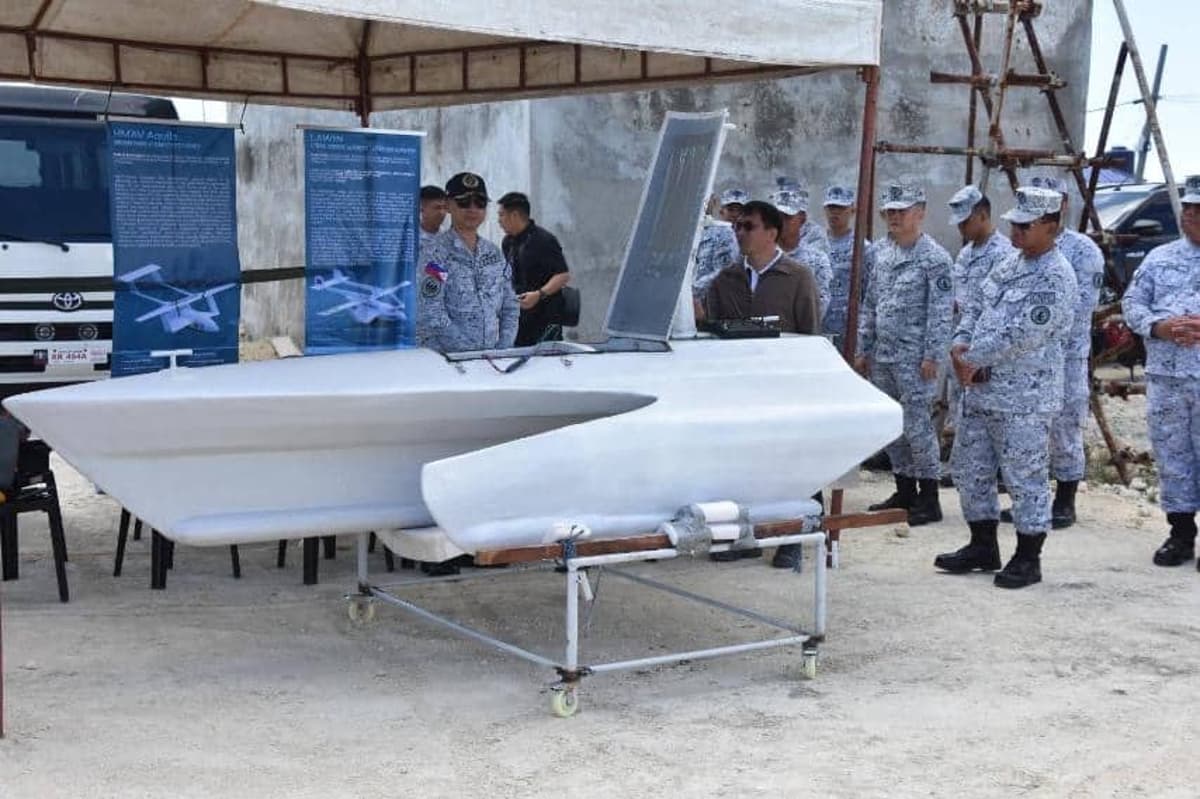
Philippine Navy Develops Prototypes of Autonomous Logistics Drones
Why It Matters
Developing home‑grown autonomous vessels strengthens the Philippines’ strategic autonomy and addresses logistical gaps across its archipelago, a critical factor as regional security tensions rise.
Key Takeaways
- •HMAV can carry 12 passengers over 600 nautical miles
- •MASS prototype emphasizes green maritime technology for logistics
- •Collaboration taps Cebu Technological University’s advanced vehicle research
- •Project aligns with SRDP’s push for indigenous unmanned systems
- •Funding remains a hurdle despite DOST research support
Pulse Analysis
The Philippines is accelerating its shift toward a self‑reliant defense posture amid a volatile Indo‑Pacific environment. The Self‑Reliant Defense Posture (SRDP) program, enacted in 2024, prioritizes domestic research and production of critical military technologies. By partnering with Cebu Technological University, the Navy taps into local expertise to address a longstanding logistical challenge: moving personnel and supplies quickly across more than 7,000 islands. Autonomous platforms promise faster, cost‑effective transport, especially during natural disasters that frequently strike the archipelago.
The two prototypes under development illustrate complementary capabilities. The Hybrid Marine‑Air Vehicle (HMAV) is designed to ferry up to 12 passengers and travel up to 600 nautical miles, offering a rapid response option for both military and civilian missions. Meanwhile, the Maritime Autonomous Surface Ship (MASS) focuses on environmentally sustainable logistics, employing electric propulsion and autonomous navigation to reduce fuel consumption and crew risk. The Department of Science and Technology’s funding covers system integration, performance testing, and technical training for Navy crews, ensuring the platforms can be fielded without relying on foreign operators.
Beyond immediate operational benefits, the initiative signals a broader industrial ambition. Successful prototypes could spawn a domestic supply chain for unmanned maritime systems, positioning the Philippines as a regional hub for green naval technology. However, persistent budget constraints pose a risk to scaling production and maintaining momentum. If the Navy can overcome funding gaps, the HMAV and MASS may not only enhance national security but also open export opportunities to neighboring states seeking affordable, eco‑friendly autonomous vessels.
Philippine Navy develops prototypes of autonomous logistics drones
Comments
Want to join the conversation?
Loading comments...