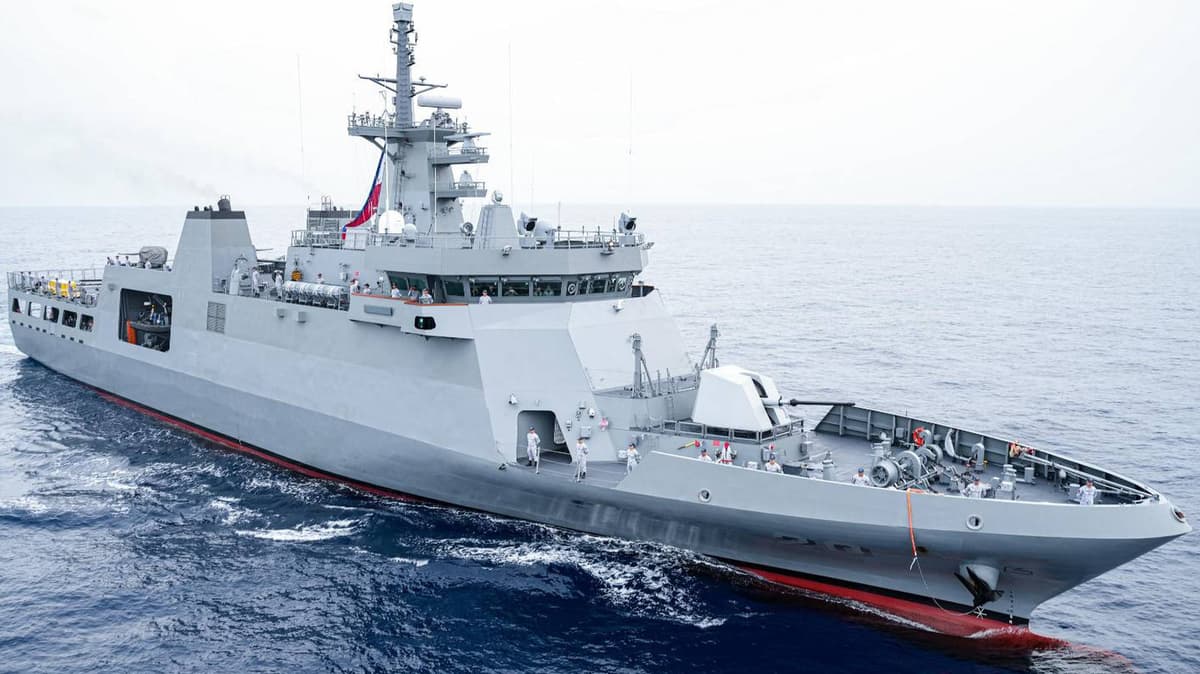
Philippine Navy Weapon Disables Enemies With 'Extremely Loud Disturbing Sound'
Why It Matters
The capability gives the Philippines a non‑lethal, stand‑off option to de‑escalate encounters with larger naval powers, reducing the risk of kinetic conflict in the South China Sea. It also signals a broader shift toward acoustic‑laser deterrence in maritime security.
Key Takeaways
- •Philippines installs LRAD MASS on BRP Rajah Sulayman patrol ship
- •System combines loud sound, high‑intensity light, and laser dazzler
- •Effective range: warnings to 3 km, pain barrier within 125 m
- •First naval use in South China Sea aims to deter Chinese aggression
- •Plans to equip entire fleet with acoustic‑laser weapons
Pulse Analysis
The adoption of Long Range Acoustic Devices (LRAD) by the Philippine Navy reflects a growing trend among maritime forces to incorporate non‑lethal, directed‑energy tools for area denial. While LRADs originated in law‑enforcement settings for crowd control, their high‑power acoustic output and integrated visual deterrents make them attractive for naval platforms that need to signal intent without firing live rounds. By mounting the Italian‑made Multirole Acoustic Stabilized System on the BRP Rajah Sulayman, Manila gains a versatile asset that can issue clear warnings, disrupt hostile communications, and inflict immediate discomfort at close range.
Technically, the MASS SX‑424(V)122 can project a focused sound beam up to 3,000 meters, creating a “pain barrier” within 125 meters that can cause temporary or permanent hearing loss. Coupled with a high‑intensity light and laser dazzler, the system offers a layered deterrence approach that complicates an adversary’s decision‑making process. Health experts caution that prolonged exposure may trigger headaches, fatigue, or more serious auditory injury, prompting calls for strict rules of engagement. Nonetheless, the ability to neutralize a threat without escalating to kinetic fire aligns with the Philippines’ strategic need to manage frequent encounters with a superior Chinese navy in the South China Sea.
Looking ahead, the Philippines’ plan to outfit its entire South China Sea patrol fleet with similar acoustic‑laser kits could reshape regional security dynamics. Other littoral states may follow suit, spurring a modest arms race in non‑lethal maritime weapons. Policymakers will need to balance deterrence benefits against potential humanitarian concerns and the risk of normalizing high‑intensity sound as a weapon of war. As the technology matures, international norms and legal frameworks will likely evolve to address the unique challenges posed by sonic and laser-based naval defenses.
Philippine Navy Weapon Disables Enemies With 'Extremely Loud Disturbing Sound'
Comments
Want to join the conversation?
Loading comments...