Philippines Verifying Reports of Structure in Scarborough Shoal
Why It Matters
A possible Chinese construction deepens its foothold in a disputed area, challenging the 2016 arbitration decision and testing U.S. security commitments to the Philippines, thereby heightening regional instability.
Key Takeaways
- •Philippines investigates potential 6x6 m structure, uncertain if fixed or floating.
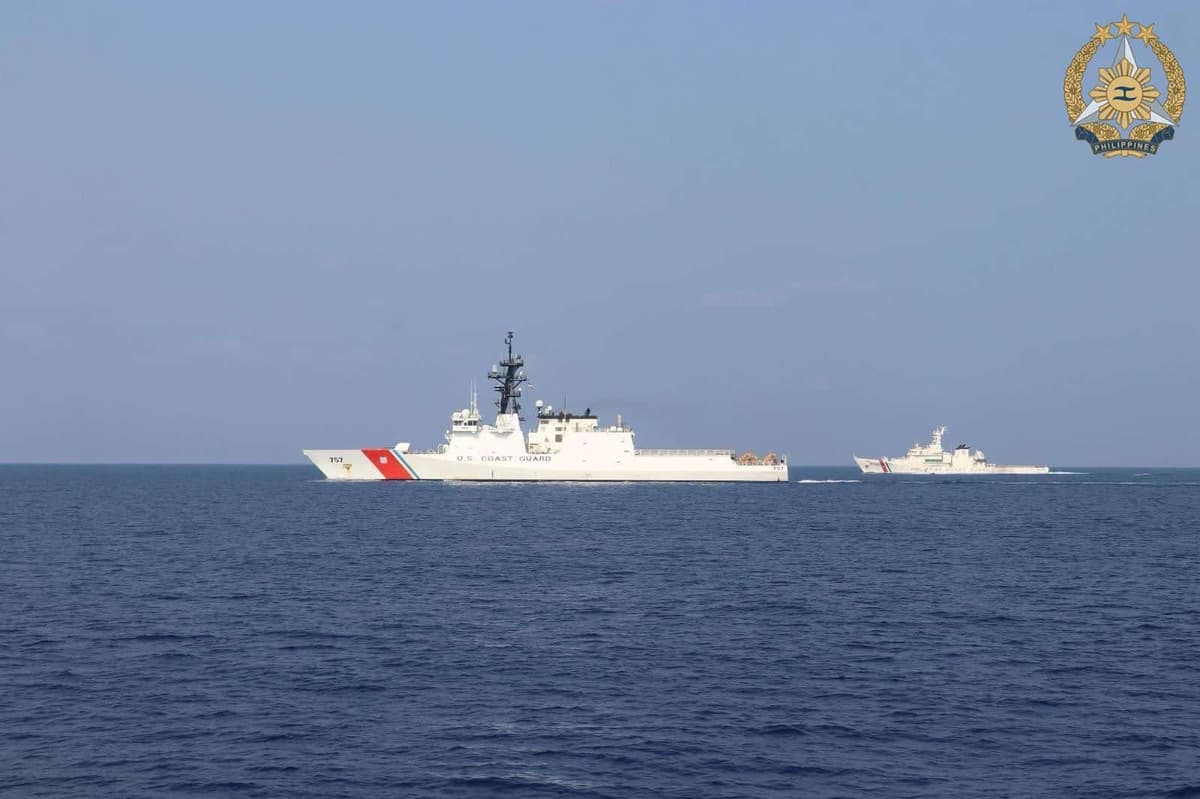
- •Recent joint Philippines‑U.S. patrols included first U.S. Coast Guard cutter at shoal.
- •China previously deployed a 352‑m floating barrier, later removed.
- •Ongoing dispute tests 2016 arbitration ruling and U.S. security guarantees.
Pulse Analysis
Scarborough Shoal, located roughly 220 km west of Luzon, is more than a rich fishing zone; it sits at the crossroads of major sea lanes that carry a significant share of global trade. The 2016 Permanent Court of Arbitration ruling dismissed China’s historic nine‑dash line claims, yet Beijing has maintained a de‑facto presence since the 2012 standoff. The shoal’s lagoon, capable of sheltering vessels, makes it a strategic outpost for surveillance and potential force projection, prompting Manila to view any new construction as a direct challenge to its sovereign rights and to international law.
The latest intelligence suggests a modest 6‑by‑6‑meter structure may have been placed within the shoal, though Philippine officials admit they have not yet determined if it is anchored or merely a buoy. This uncertainty arrives amid a series of coordinated maritime activities between the Philippines and the United States, including the first deployment of a Legend‑class Coast Guard cutter, the USCGC Midgett, to the area. Such joint exercises focus on boarding, interdiction, and search‑and‑rescue drills, signaling a clear intent to uphold freedom of navigation while gathering operational data on Chinese tactics. Beijing, meanwhile, frames its presence as routine law‑enforcement patrols, a narrative that Manila and Washington reject.
If confirmed, the structure could represent a new phase of incremental militarization, complicating diplomatic efforts to resolve the South China Sea dispute. It may prompt Manila to request additional U.S. support, potentially expanding the scope of joint patrols or accelerating defense procurement. For regional actors, the development underscores the fragility of the rules‑based order and the importance of credible deterrence. Observers will watch closely for diplomatic signals from Washington and Beijing, as any escalation could reverberate across ASEAN, affecting trade routes and broader Indo‑Pacific stability.
Philippines Verifying Reports of Structure in Scarborough Shoal
Comments
Want to join the conversation?
Loading comments...