Picogrid Awarded Contract to Streamline XVIII Airborne Corps Battlefield Integration

Why It Matters
Accelerating system integration boosts the Corps’ rapid‑deployment readiness and reduces the operational lag of new technologies. Faster, interoperable solutions enhance the Army’s overall modernization tempo and combat effectiveness.
Key Takeaways
- •Picogrid to deliver Legion and Expeditionary C2 nodes for XVIII Airborne
- •Integration timeline cut from months to weeks for new battlefield tech
- •Solution supports counter‑UAS operations and limited‑connectivity environments
- •Builds on Scarlet Dragon exercise demonstrating multi‑sensor coordination
- •Aligns with Army’s Joint Innovation Outpost to speed capability adoption
Pulse Analysis
The U.S. Army’s modernization drive faces a classic bottleneck: a growing inventory of sensors, autonomous platforms, and software from disparate vendors that rarely speak the same language. Traditional integration pathways demand custom engineering and lengthy testing, eroding the speed advantage that modern conflicts demand. Industry players like Picogrid are stepping in with plug‑and‑play architectures that abstract hardware specifics, allowing warfighters to focus on tactics rather than technical compatibility. By standardizing data exchange and command flows, these solutions help the services keep pace with rapid technology turnover.
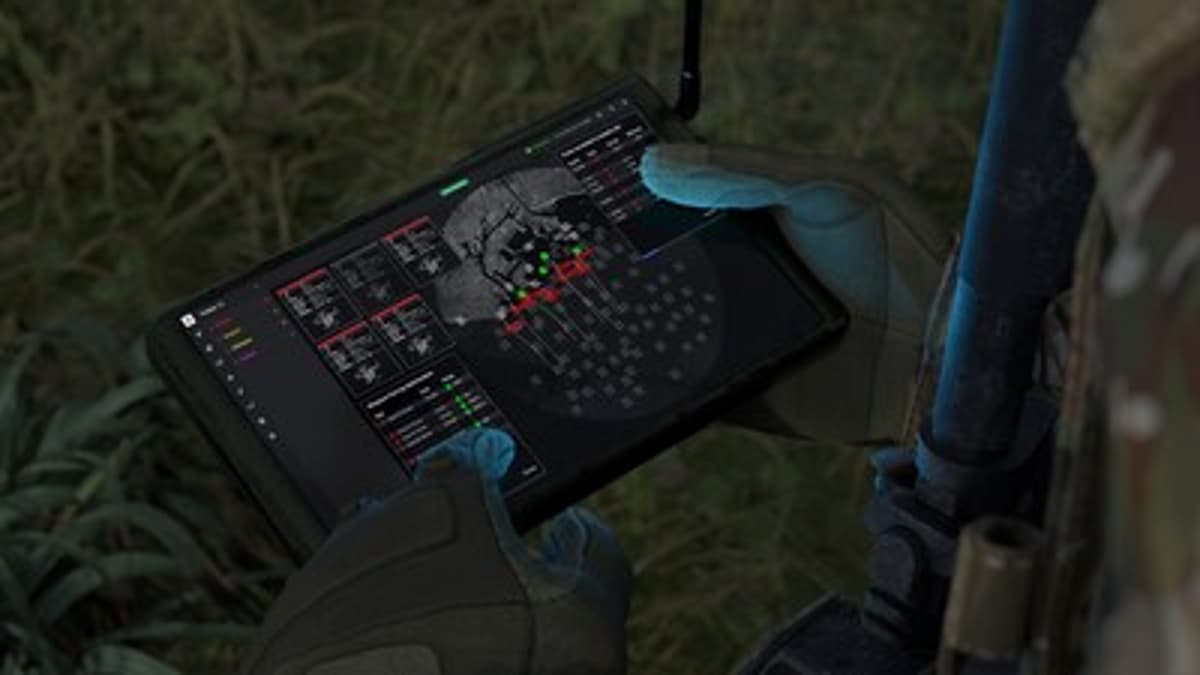
Picogrid’s new contract with the XVIII Airborne Corps centers on its Legion and Expeditionary Command‑and‑Control Nodes, platforms designed to aggregate data from heterogeneous sources into a unified operational picture. The nodes operate in bandwidth‑constrained environments, a critical capability for forward‑deployed units that may lack robust communications infrastructure. Their emphasis on counter‑UAS integration reflects the Army’s priority to neutralize small‑drone threats that can overwhelm legacy air‑defense assets. By delivering a common software foundation, Picogrid enables new sensors and response tools to be fielded in weeks rather than months, dramatically shortening the acquisition‑to‑deployment pipeline.
Beyond the immediate tactical gains, the contract signals a broader shift toward modular, experiment‑driven procurement under the Joint Innovation Outpost (JIOP). The XVIII Airborne Corps, as the nation’s rapid‑response force, serves as a proving ground for these integration concepts, with lessons likely to cascade across other combatant commands. As the Army continues to field AI‑enabled platforms and edge‑computing devices, the ability to stitch them together quickly will become a decisive factor in future conflicts. Picogrid’s approach offers a template for how commercial tech firms can accelerate defense modernization while maintaining interoperability and mission assurance.
Picogrid Awarded Contract to Streamline XVIII Airborne Corps Battlefield Integration
Comments
Want to join the conversation?
Loading comments...