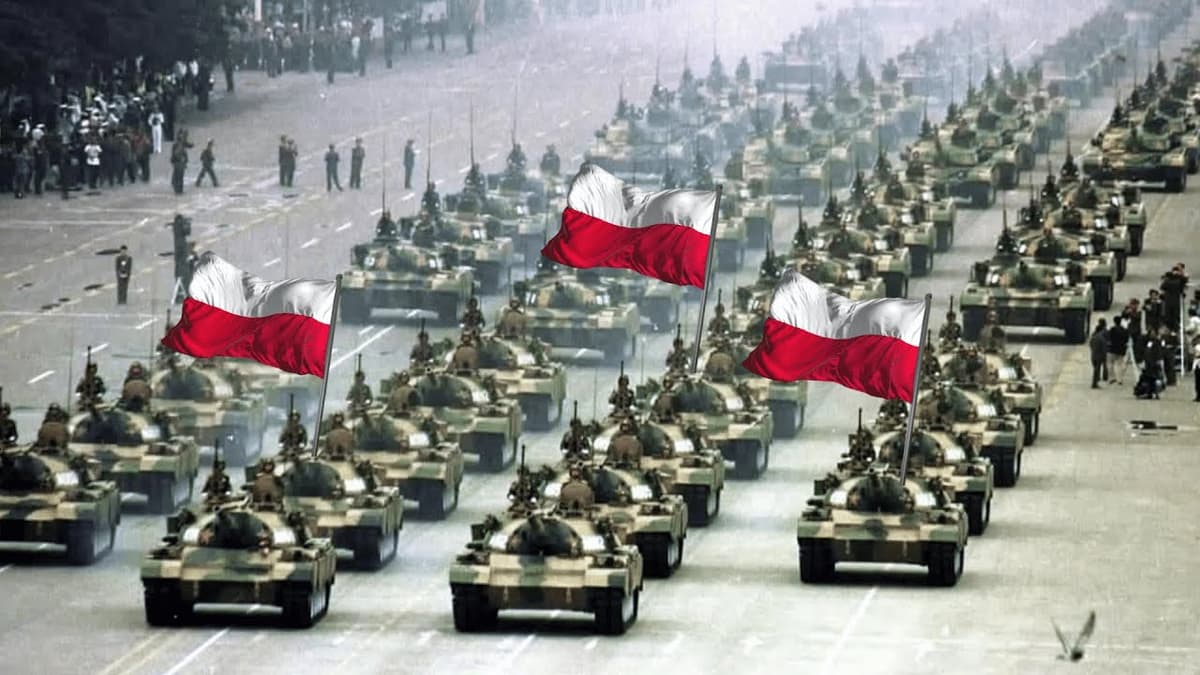
Poland Injects $16.5 Billion Into Domestic Defense Production
Why It Matters
The infusion accelerates Poland’s military modernization and deepens its defense industrial base, reshaping security dynamics in Eastern Europe and testing NATO’s cohesion between European and U.S. suppliers.
Key Takeaways
- •Poland earmarks $16.5B for home‑grown infantry fighting vehicles and artillery
- •EU loan program provides up to $55B credit, Poland largest potential recipient
- •Procurement includes 146 Borsuk IFVs, 96 Krab howitzers, 1,000 support vehicles
- •Domestic production aims for ammunition self‑sufficiency and export potential
- •Political clash bypassed presidential veto, highlighting internal security financing tensions
Pulse Analysis
Poland’s $16.5 billion defense spend marks a decisive shift toward self‑reliance, leveraging the European Union’s Security Action for Europe programme. By tapping a credit line that could exceed $55 billion, Warsaw is able to fund a broad spectrum of platforms—from Borsuk tracked infantry fighting vehicles to Krab 155 mm self‑propelled howitzers—without straining its fiscal balance sheet. The timing aligns with heightened security concerns on the continent, as the war in Ukraine underscores the need for rapid modernization and robust supply chains.
Beyond immediate capability gains, the contracts are a catalyst for Poland’s burgeoning defense industry. State‑owned PGZ and its subsidiary Huta Stalowa Wola will oversee domestic production, creating jobs and fostering technical expertise that could translate into future exports to NATO allies and non‑aligned markets. The emphasis on local ammunition manufacturing, supported by British technology partners, further insulates the armed forces from external supply disruptions and positions Poland as a potential hub for Eastern‑European arms procurement.
The financing strategy, however, sparked a constitutional showdown when the president vetoed the loan legislation, fearing EU leverage over Warsaw’s procurement choices. The cabinet’s decision to bypass the veto highlights the political stakes of aligning with European capital while maintaining a strategic partnership with the United States. As Poland balances these competing pressures, its expanded industrial base may redefine regional defense economics, offering a model of hybrid financing that blends EU support with traditional NATO collaboration.
Poland Injects $16.5 Billion Into Domestic Defense Production
Comments
Want to join the conversation?
Loading comments...