Polling Shows Britons Feel Less Safe than Five Years Ago
•February 18, 2026
0
Key Takeaways
- •52% feel less safe than in 2021
- •Over 60% more anxious about global security risks
- •79% support equipping troops with latest drone tech
- •66% back AI and autonomous defence investment
- •Older adults report highest insecurity levels
Summary
A new Adam Smith Insights poll of 2,052 British adults shows 52% feel less safe than in 2021, with over 60% reporting heightened anxiety about global security. The war in Ukraine and Middle‑East tensions appear to drive this shift, especially among older respondents. At the same time, 79% back rapid modernisation of the UK armed forces with advanced drones, and roughly two‑thirds support investment in AI and autonomous defence systems. Support spans the political spectrum, with the highest backing among Conservative voters.
Pulse Analysis
Public confidence in safety is eroding across the United Kingdom, a trend the latest Adam Smith Insights poll attributes to ongoing conflicts in Ukraine and heightened tensions in the Middle East. The survey, conducted online in early November 2025 with a margin of error of ±2.2%, reveals that more than half of respondents feel less secure than they did five years ago, and anxiety about global security risks has risen to over 60%. Older citizens, particularly those over 65, report the greatest decline in perceived safety, underscoring how geopolitical instability reverberates through domestic sentiment.
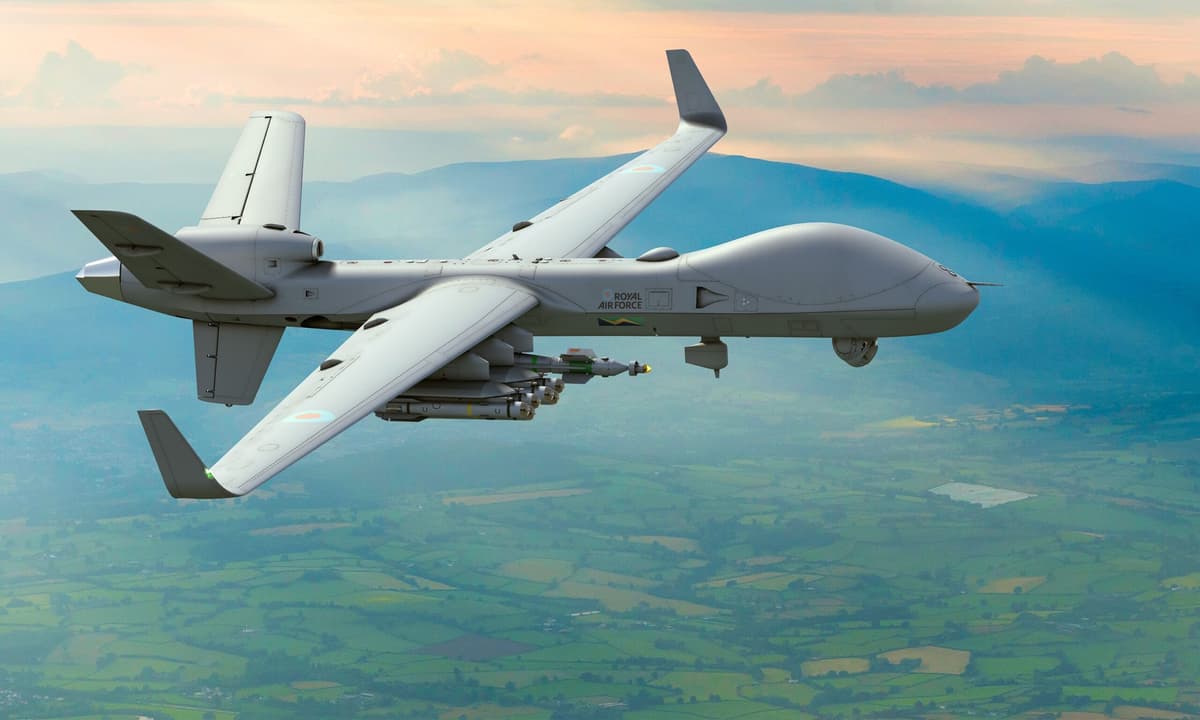
Against this backdrop, the poll uncovers overwhelming public endorsement for modernising Britain’s military capabilities, especially through drone technology. A striking 79% of participants favor equipping troops with the latest drones, and support exceeds 70% across all age groups, with the strongest backing from senior voters. This cross‑party consensus—ranging from 82% of Labour 2024 voters to 88% of Conservative supporters—suggests a fertile environment for policymakers to accelerate procurement programmes, potentially reshaping the UK’s force structure and industrial base to prioritise unmanned systems.
The appetite for cutting‑edge defence tools extends beyond drones to artificial intelligence and autonomous systems. Approximately two‑thirds of respondents endorse increased investment in AI for military use, reflecting concerns over a growing technology race with China and Russia. While opposition remains low—under 10% across gender lines—the data indicates a clear public mandate for the UK to pursue advanced, algorithm‑driven capabilities. This could translate into heightened funding for research, faster acquisition cycles, and tighter civil‑military collaboration, positioning Britain to maintain strategic relevance in an increasingly automated battlespace.
Comments
Want to join the conversation?