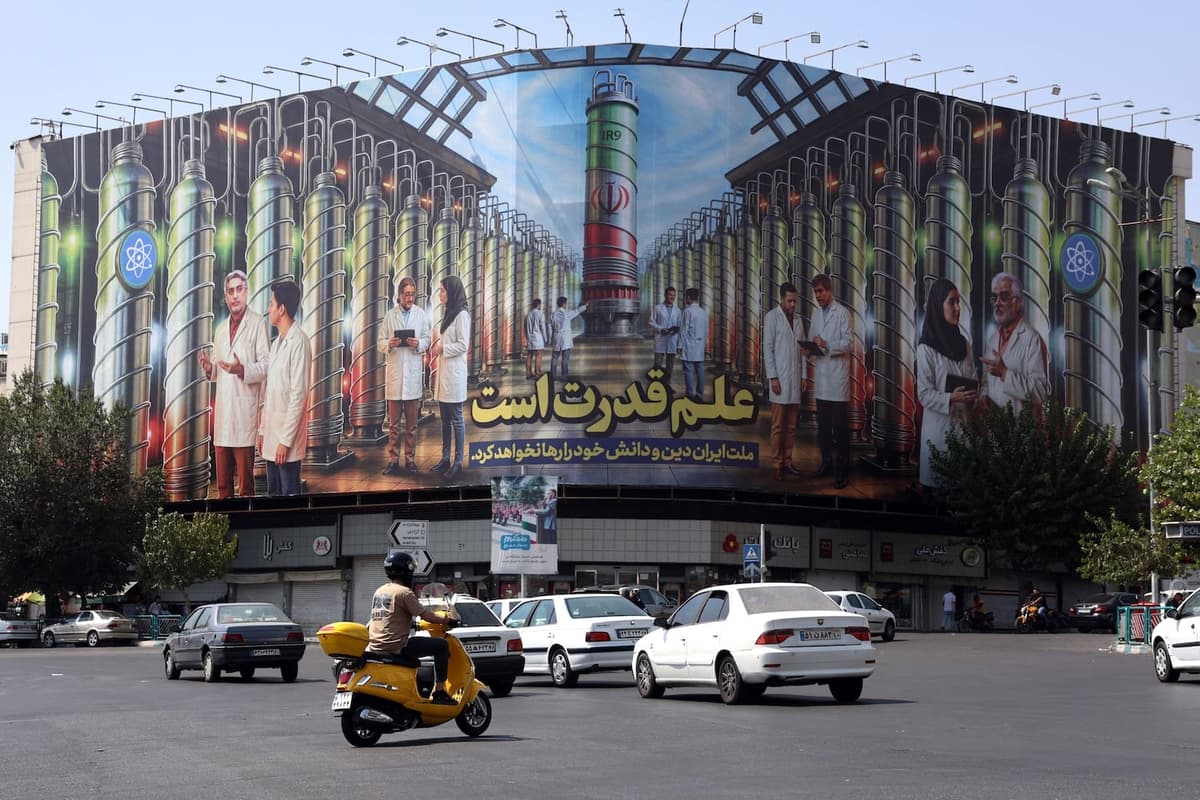
Why It Matters
Iran’s retained fissile material and new hard‑line leadership increase the probability of a nuclear breakout, threatening regional stability and U.S. non‑proliferation objectives. The situation forces Washington to rethink reliance on military pressure alone.
Key Takeaways
- •Iran holds over 400 kg highly enriched uranium
- •New supreme leader Mojtaba Khamenei is a hardliner
- •U.S. strikes have barely touched Iran's nuclear sites
- •Iran may assemble a crude bomb with 60% uranium
- •Diplomacy, not force, needed to halt proliferation
Pulse Analysis
The Iranian nuclear effort survived the recent war largely because the bulk of its fissile material is buried deep enough to evade most conventional munitions. While U.S. and Israeli forces have targeted a handful of enrichment facilities, the core stockpiles and advanced centrifuges remain beyond reach. This resilience is compounded by the death of long‑standing Supreme Leader Ali Khamenei, whose cautious hedging strategy kept Tehran’s nuclear ambitions in a strategic limbo. His son, Mojtaba Khamenei, now leads a regime dominated by the Islamic Revolutionary Guard Corps, a faction more inclined to view a nuclear option as essential for deterrence.
Strategically, Iran faces a paradox: its conventional forces have been degraded, yet it still commands a sizable arsenal of highly enriched uranium—enough for several weapons. Sanctions relief and diplomatic incentives that once restrained Tehran’s nuclear drive have weakened, especially after the U.S. withdrew from the JCPOA and conducted surprise strikes. With the regime’s survival now a primary goal, the calculus shifts toward acquiring a nuclear deterrent to prevent future regime‑change attempts. The presence of 60‑percent enriched uranium further lowers the technical barrier, allowing Iran to potentially craft a crude test device without a full‑scale weapons program.
For policymakers, the lesson is clear: military force alone cannot compel denuclearization. A sustainable solution will require a negotiated settlement that offers credible security guarantees and economic incentives while tightening safeguards against material theft. The risk of nuclear expertise spilling into black markets or falling into the hands of proxy actors heightens the urgency for a comprehensive diplomatic framework. As the United States recalibrates its Iran strategy, it must balance pressure with engagement to prevent a nuclear breakout that would reshape Middle‑East security dynamics.
Preventing an Iranian Bomb Is Only Getting Harder
Comments
Want to join the conversation?
Loading comments...