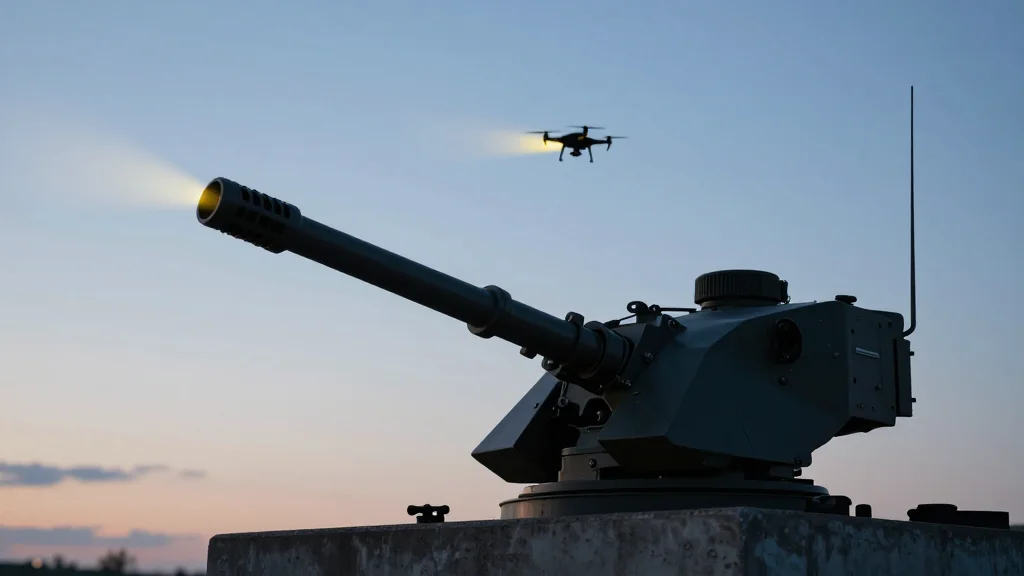
Private Air Defence Takes Off in Ukraine
Why It Matters
Private air‑defence adds a scalable, localized shield that can accelerate drone interceptions and reduce critical‑infrastructure damage, strengthening Ukraine’s overall resilience. The approach also creates a new defence‑industry niche that could be replicated in other conflict zones.
Key Takeaways
- •20 firms registered; two already providing services.
- •Private firms integrate into Ukraine’s air‑force command system.
- •Operators undergo quarterly polygraph vetting for security.
- •Training drone‑interceptor pilots takes about three weeks.
- •Flexible shifts let civilians balance jobs with defence duties.
Pulse Analysis
The surge of Russian attack drones has forced Ukraine to rethink traditional air‑defence paradigms. While the national missile‑defence grid handles high‑altitude threats, low‑cost, long‑range Shahed drones overwhelm existing resources, prompting a shift toward decentralized protection. Private firms fill this gap by deploying affordable, rapid‑response assets directly over industrial parks, power plants and logistics hubs, creating a dense web of point‑defence that complements the broader strategic shield.
Operationally, these companies are tightly woven into the Ministry of Defence’s command‑and‑control architecture. Every engagement decision still rests with military commanders, preserving centralized authority while leveraging civilian expertise. Recruitment pipelines draw from veteran volunteer units and new civilians, with candidates undergoing polygraph checks and quarterly re‑screenings to mitigate insider risk. Training cycles are remarkably short—about three weeks to certify a drone‑interceptor pilot—allowing firms to scale manpower quickly. Flexible shift structures let personnel maintain civilian employment, expanding the talent pool without draining the regular armed forces.
The private‑air‑defence model could reshape conflict dynamics beyond Ukraine. By commercialising short‑range air‑defence, nations facing asymmetric aerial threats may develop cost‑effective, locally managed layers that reduce reliance on expensive, high‑tech systems. However, challenges remain: ensuring consistent rules of engagement, safeguarding against proliferation of armed drones, and integrating disparate command structures. If Ukraine can demonstrate sustained success, the approach may inspire a new segment of the global defence market, blending entrepreneurial agility with national security imperatives.
Private air defence takes off in Ukraine
Comments
Want to join the conversation?
Loading comments...