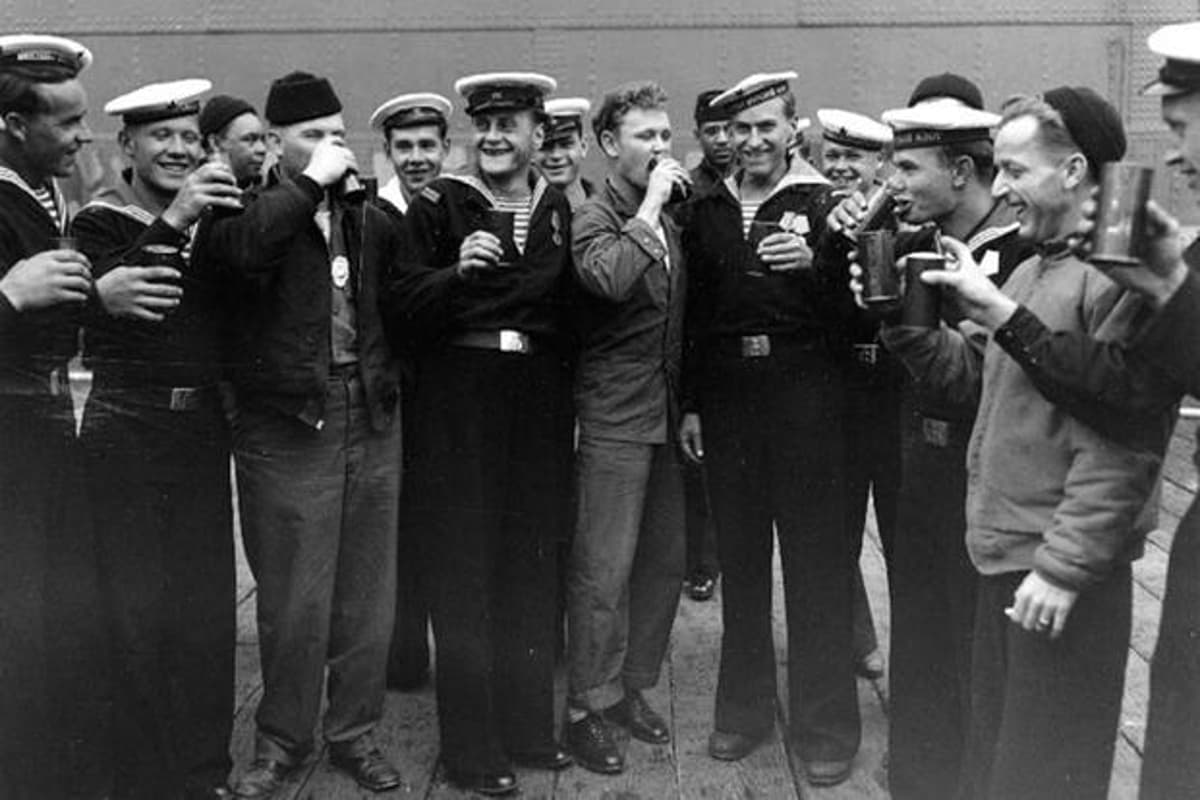
Project Hula: The US Secretly Armed the Soviet Union to Invade Japan in WWII
Why It Matters
Project Hula accelerated Soviet entry into the Pacific war, shaping the final battles against Japan and influencing post‑war territorial claims that still affect US‑Japan‑Russia relations. It also illustrates how wartime alliances can produce long‑term strategic consequences.
Key Takeaways
- •Project Hula transferred 149 US warships to the Soviet Union in 1945
- •Training at Cold Bay prepared 12,000 Soviet sailors for amphibious assaults
- •Soviet forces used US‑built landing craft in the Kuril Islands invasion
- •Only 18 of the original 149 vessels remained serviceable by 1957
- •Ship transfers cemented a territorial dispute still unresolved between Japan and Russia
Pulse Analysis
At the February 1945 Yalta Conference, President Franklin D. Roosevelt extracted a promise from Joseph Stalin that the Soviet Union would join the fight against Japan within three months of Germany’s surrender. To make that pledge credible, Washington dramatically expanded its Lend‑Lease program, adding warships, amphibious craft, and training support. Codenamed Project Hula, the operation was deliberately concealed because the Soviet‑Japanese neutrality pact technically remained in force. By funneling American naval technology to the Red Army, the United States sought to shorten the Pacific war and reduce American casualties.
The logistical hub for the transfer was Cold Bay, Alaska, where Navy Detachment 3294 refurbished piers, barracks and classrooms to accommodate incoming Soviet crews. Between April and July 1945, roughly 12,000 Soviet sailors received hands‑on instruction on radar, sonar, 3‑inch guns and landing‑craft operations, while 149 vessels—including 28 Tacoma‑class frigates, 24 minesweepers and 30 landing craft—were handed over. Soviet forces then employed the American‑built landing craft in the August assault on the northern Kurils, achieving a foothold despite heavy casualties and limited amphibious experience.
After Japan’s surrender, the United States reclaimed most of the transferred ships, but the episode left a durable imprint on post‑war geopolitics. The Soviet use of U.S. vessels helped secure the Kuril Islands, a territorial claim that still blocks a formal peace treaty between Japan and Russia. Moreover, Project Hula demonstrated how wartime cooperation could quickly morph into Cold‑War rivalry, as former allies scrambled to retrieve or destroy the same assets. For historians and defense analysts, the program offers a case study in how strategic aid can reshape regional power balances long after the conflict ends.
Project Hula: The US Secretly Armed the Soviet Union to Invade Japan in WWII
Comments
Want to join the conversation?
Loading comments...