Why It Matters
The transit underscores Japan’s willingness to assert freedom of navigation, heightening the risk of Sino‑Japanese confrontation and reshaping security calculations in the Taiwan Strait and broader Indo‑Pacific region.
Key Takeaways
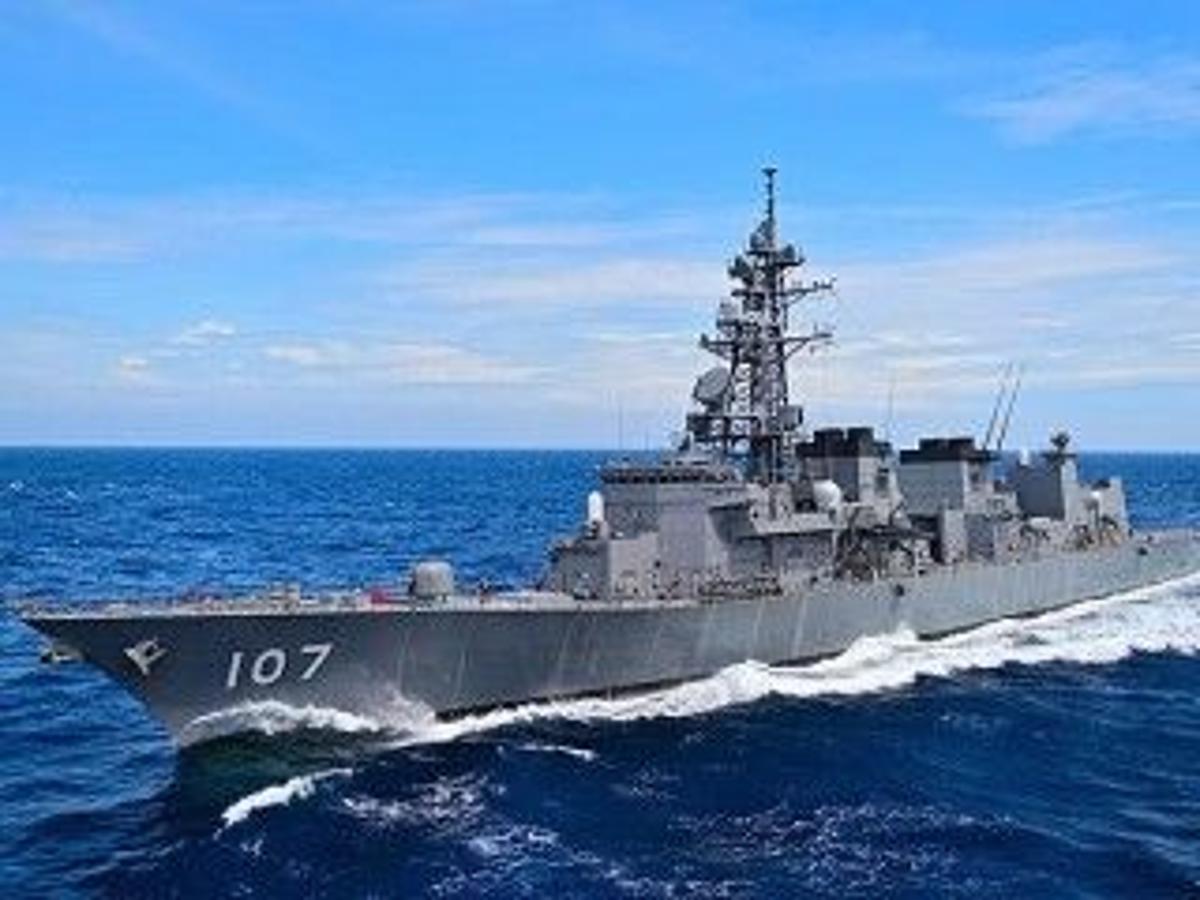
- •JS Ikazuchi traversed Taiwan Strait on April 17, 2026.
- •China labeled the passage a “provocation” and “new militarism.”
- •First Japanese warship passage since PM Takaichi assumed office.
- •Tensions rise as Japan warned of response to Chinese aggression.
Pulse Analysis
The Taiwan Strait remains one of the world’s most contested waterways, linking the Pacific Ocean to East Asian trade routes. International law, particularly the United Nations Convention on the Law of the Sea, guarantees the right of innocent passage, a principle Japan has increasingly invoked to demonstrate its commitment to a rules‑based order. The recent deployment of the JS Ikazuchi reflects Tokyo’s broader strategic shift under Prime Minister Takaichi, who has signaled a more proactive stance on regional security, especially concerning Taiwan’s status.
Beijing’s swift denunciation framed the transit as a deliberate provocation, invoking the phrase “new militarism” to cast Japan’s actions in a hostile light. The language mirrors long‑standing grievances over wartime history and reflects China’s sensitivity to any perceived challenge to its claims over Taiwan. By publicly accusing Japan of endangering Chinese sovereignty, Beijing aims to rally domestic support and deter further naval incursions, while also testing the limits of diplomatic retaliation before any kinetic escalation.
The incident reverberates beyond bilateral ties, influencing the broader Indo‑Pacific balance. The United States, a key security partner of both Japan and Taiwan, closely monitors such moves, as they may prompt increased U.S. naval presence to reassure allies. Regional economies, reliant on the strait’s shipping lanes, could face heightened insurance costs and supply‑chain disruptions if tensions flare. Analysts anticipate that Japan may continue to conduct freedom‑of‑navigation operations, prompting China to respond with diplomatic protests or counter‑patrols, making the Taiwan Strait a focal point of future strategic competition.
Provocation in the Taiwan Strait
Comments
Want to join the conversation?
Loading comments...