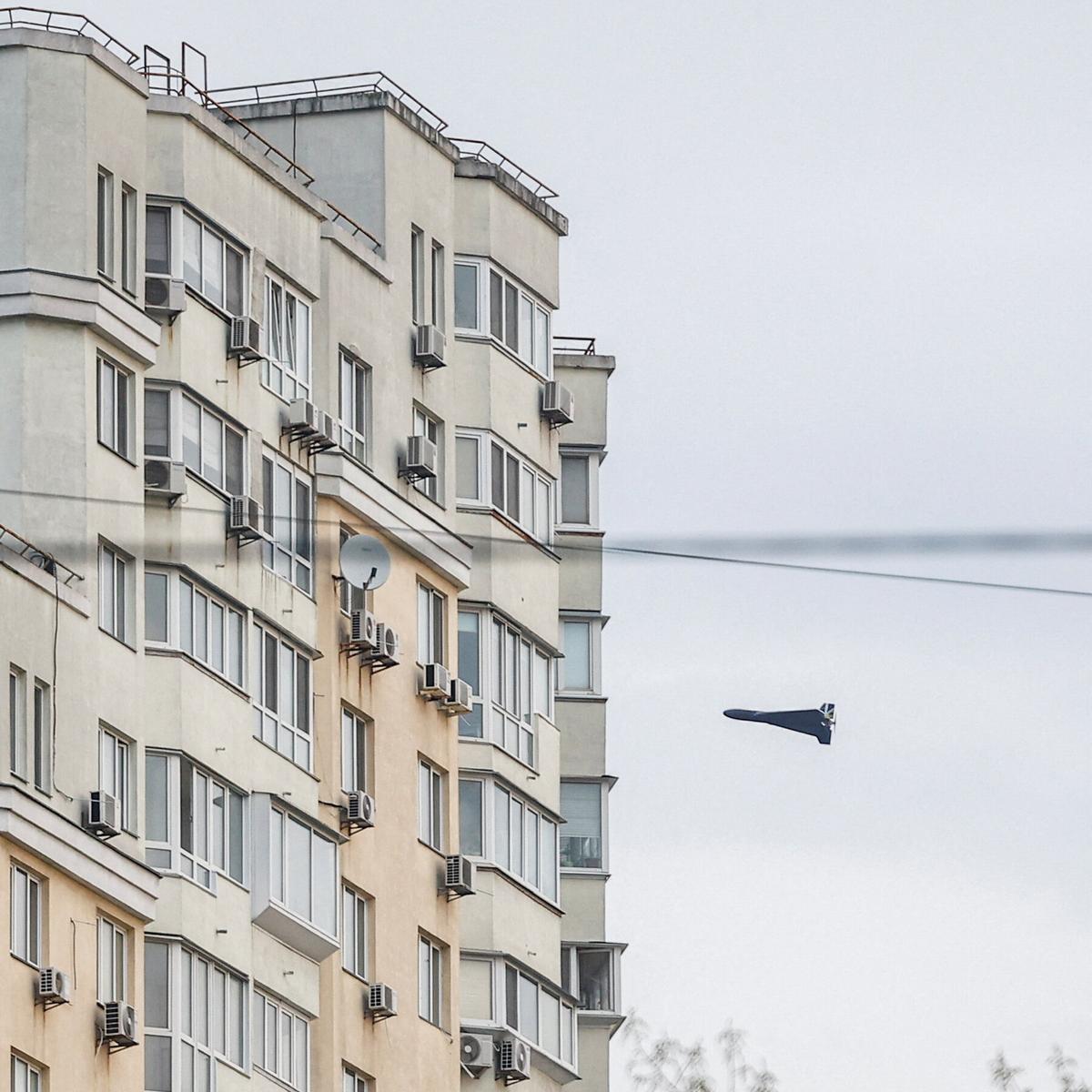
Putin’s Army of Drones
Why It Matters
The surge in Russian AI‑driven drones reshapes the global balance of power, presenting an urgent threat to U.S. forces and allied assets. Understanding this trajectory is critical for shaping effective defense and deterrence strategies.
Key Takeaways
- •Russia targets 1 million unmanned‑systems specialists by 2030.
- •AI specialist graduates to rise over 400 % within decade.
- •95 % of priority industries slated for AI readiness.
- •Integrated test ranges, factories, and airspace management support drone production.
- •Autonomous weapons could amplify threats to U.S. and allies.
Pulse Analysis
Russia’s pivot toward AI‑enabled unmanned warfare reflects a strategic decision to prioritize scalability and battlefield efficacy over traditional platform development. By funneling civilian talent and data into defense projects, Moscow is creating a self‑reinforcing loop that accelerates drone innovation. The projected workforce of one million specialists and a 400 % surge in AI graduates illustrate a state‑driven industrial mobilization rarely seen since the Cold War, positioning Russia to field swarms of low‑cost, autonomous systems that can overwhelm conventional defenses.
The operational impact is already evident on the ground in Ukraine, where Russian kamikaze drones have disrupted logistics and strained Ukrainian air defenses. The technology’s exportability compounds the risk: Iranian Shahed drones, supplied with Russian expertise, have struck U.S. assets in the Middle East, hinting at a broader proliferation pathway. Fully autonomous weapons, unbound by Western ethical constraints, could execute strikes with minimal human oversight, increasing both speed and lethality of attacks on critical infrastructure and forward‑deployed forces.
For the United States, the challenge is twofold: countering a rapidly expanding Russian drone ecosystem while establishing norms that curb autonomous weapon use. Investment in AI‑driven detection, electronic warfare, and resilient command‑and‑control architectures will be essential. Simultaneously, diplomatic efforts to define responsible AI deployment in armed conflict can help prevent an unchecked arms race. Aligning industrial policy with defense needs, as Russia has done, may be the most effective way for the U.S. to maintain technological parity and safeguard its strategic interests.
Putin’s Army of Drones
Comments
Want to join the conversation?
Loading comments...