Q-CTRL Framework Outlines Path to Quantum Battlefield Information Dominance Across Four Defense Verticals
Why It Matters
The roadmap moves quantum computing from research labs into operational military planning, offering allies faster, data‑rich decision‑making that could translate into battlefield overmatch.
Key Takeaways
- •AI‑driven error‑suppression layer stabilizes NISQ qubits for deeper algorithms
- •Q‑CTRL predicts quantum advantage in defense logistics by 2027
- •Convoy routing demo used 85 qubits to optimize 5,000‑vehicle scenario
- •98‑qubit model improves resilience of defense supply chains
- •Integration aligns with U.S. National Quantum Initiative and AUKUS
Pulse Analysis
The race to embed quantum computing in defense is accelerating as militaries seek to outpace the combinatorial complexity of modern battlefields. Near‑term noisy intermediate‑scale quantum (NISQ) processors promise exponential speedups, but decoherence and gate errors have kept most algorithms confined to theory. Q‑CTRL’s AI‑powered performance‑management stack tackles this bottleneck by continuously calibrating qubit control parameters and injecting error‑suppression subroutines at the firmware level. By turning raw hardware noise into a manageable variable, the company creates a practical pathway for quantum advantage without waiting for fault‑tolerant machines.
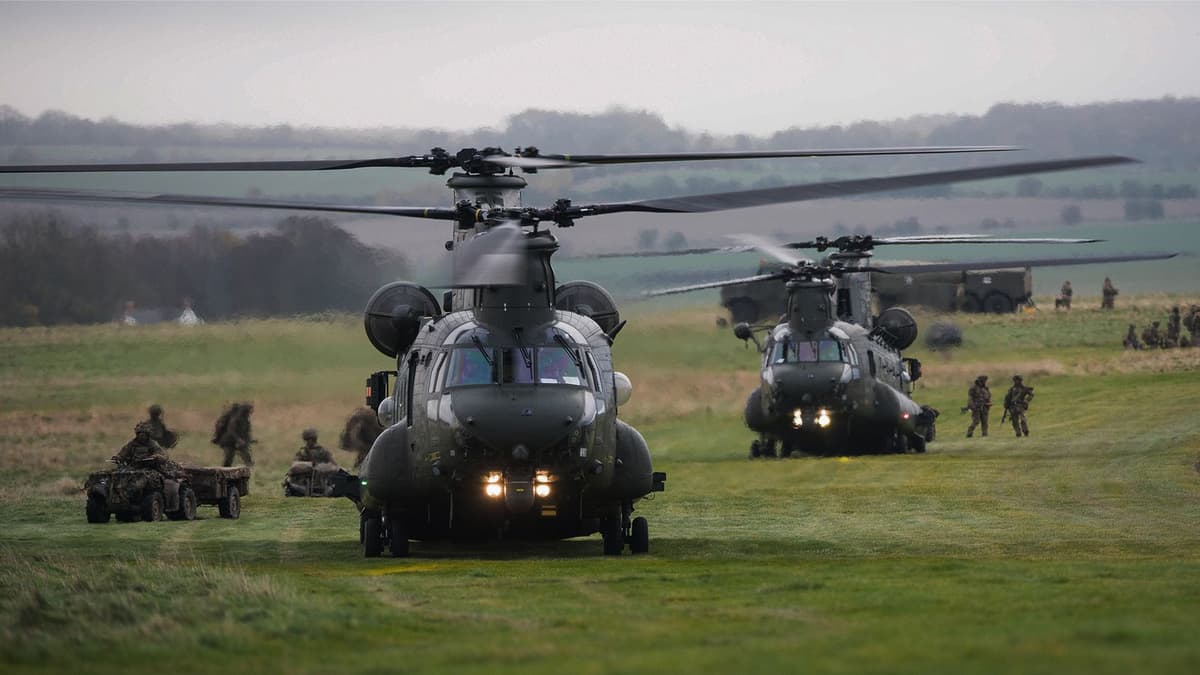
The newly released white paper maps that capability onto four high‑value defense problems. In a convoy‑routing simulation, 85 qubits evaluated millions of route permutations for a 5,000‑vehicle deployment, delivering optimal paths despite dynamic road closures. A strategic‑airlift model adapts rail‑scheduling algorithms to allocate cargo across multiple theatres, while a 98‑qubit supply‑chain optimizer safeguards defense production against dual‑sourcing disruptions. Finally, a missile‑defense and counter‑UAS optimizer compresses the decision loop between C5ISR sensors and interceptors, promising earlier threat engagement. All scenarios run on IBM quantum hardware, with projected superiority over classical supercomputers by 2027.
Beyond the technical showcase, Q‑CTRL’s roadmap dovetails with the U.S. Department of Defense’s critical‑technology agenda, the National Quantum Initiative, and the AUKUS partnership, positioning the firm as a strategic supplier for allied C4ISR networks. The company’s parallel effort on a GPS‑denied quantum navigation system further cements its role in a broader quantum‑enabled defense ecosystem. If the projected timelines hold, quantum‑accelerated logistics and targeting could reshape operational planning, delivering faster, data‑rich decisions that translate into tangible battlefield overmatch. Stakeholders should monitor hardware scaling milestones and policy funding that will determine the speed of adoption.
Q-CTRL Framework Outlines Path to Quantum Battlefield Information Dominance Across Four Defense Verticals
Comments
Want to join the conversation?
Loading comments...