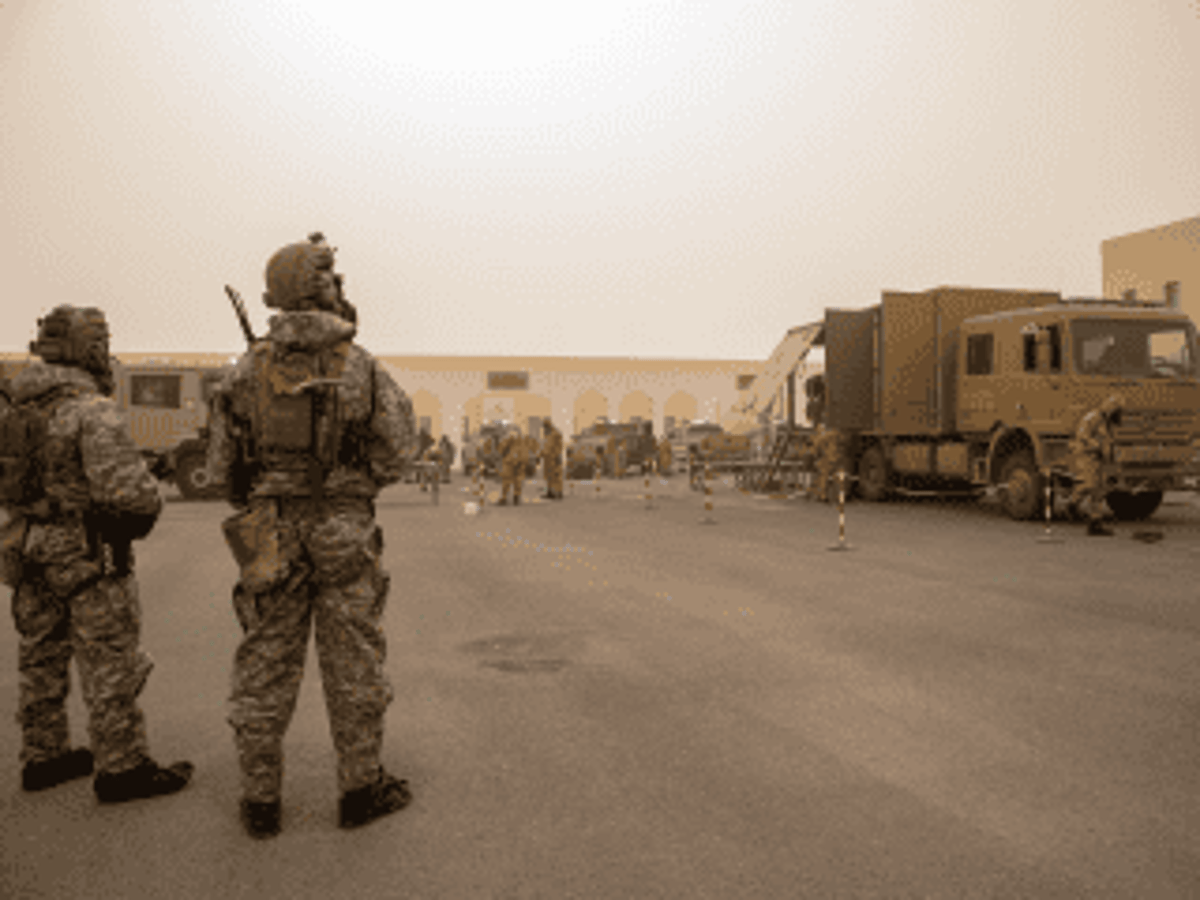
Why It Matters
Qatar’s newly operational deterrent reshapes Gulf security dynamics and safeguards a critical node in global energy supply, influencing regional power calculations and investor confidence.
Key Takeaways
- •Defense spending rose 434% to $11.6 bn by 2021.
- •Acquired F‑15QA, Rafale, Typhoon for diversified air fleet.
- •Deployed Patriot and layered air‑missile defense network.
- •Intercepted multiple Iranian drones protecting LNG infrastructure.
- •Signals willingness to support regional partners if required.
Pulse Analysis
Qatar’s defense overhaul began in 2010 under the banner of the 2022 World Cup, but the underlying motive was strategic autonomy. By allocating nearly 5% of GDP to military procurement, Doha secured a balanced mix of Western platforms—American F‑15QA, French Rafale, British Typhoon—while also investing in German Leopard 2A7+ tanks and Italian‑built corvettes. This diversification reduces reliance on any single supplier and creates interoperability with multiple coalition forces, a crucial factor for a small state surrounded by larger, often hostile neighbors.
The operational payoff is evident as Qatar’s integrated air‑and‑missile defense system, anchored by Patriot batteries and a dedicated Air & Missile Defence Operations Centre, has begun neutralising Iranian‑origin drones targeting critical energy assets. Counter‑UAV installations and MALE drones provide persistent surveillance, enabling rapid response to asymmetric threats. Protecting LNG terminals is not merely a national priority; it underpins European energy security, making Qatar’s defensive actions a matter of international concern.
Beyond immediate threat mitigation, Qatar’s readiness to assist partners signals a shift from a purely defensive posture to a more proactive regional role. By demonstrating credible deterrence, Doha strengthens its diplomatic leverage, deepens security ties with the United States and European allies, and contributes to a broader balance of power in the Gulf. As Iran’s asymmetric capabilities evolve, Qatar’s layered deterrent and willingness to coordinate responses will likely become a cornerstone of Gulf stability and a model for small‑state defense strategies.
Qatar armed itself for years. Now Iran tests it
0
Comments
Want to join the conversation?
Loading comments...