Companies Mentioned
Why It Matters
The reforms could reshape the defense industrial base, accelerate low‑cost innovation, and improve U.S. readiness for hybrid battlefields. Stakeholders from policymakers to contractors will feel the pressure to deliver faster, cheaper, and more adaptable capabilities.
Key Takeaways
- •Emanuel urges Pentagon overhaul to fight conventional and unconventional wars simultaneously
- •Ban Big Five contractors' stock buybacks until weapons delivered on schedule
- •Allocate 30‑40% of emerging tech funds to non‑Big Five defense firms
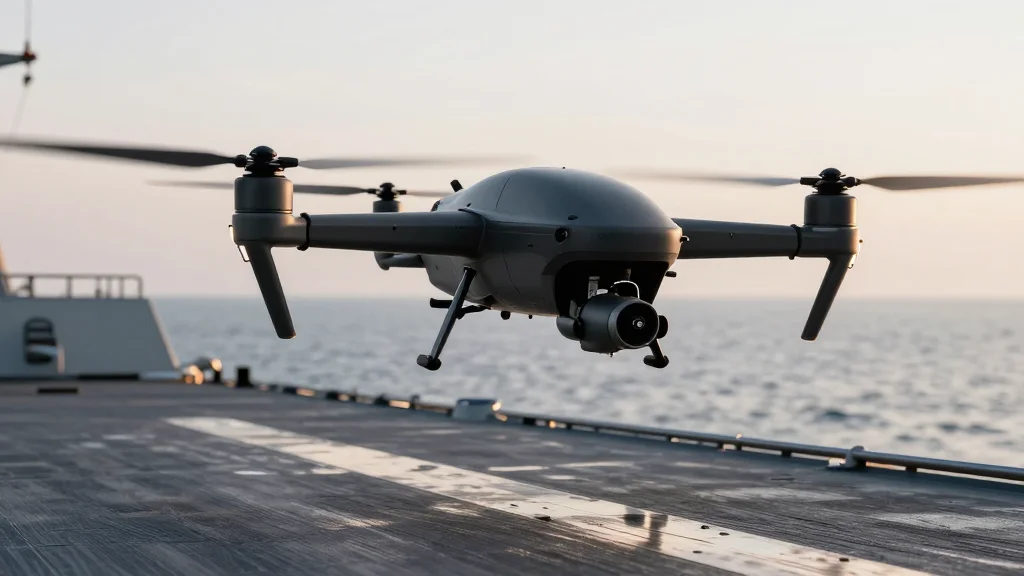
- •Cites Ukraine's drone success as proof U.S. must accelerate cheap UAVs
- •Emanuel's defense plan aligns with his broader 2028 Democratic presidential platform
Pulse Analysis
Emanuel’s call for a "military revolution" taps into lessons learned from two very different conflicts. In Ukraine, small first‑person‑view drones have repeatedly knocked out Russian armor, showing that cheap, proliferated UAVs can dominate a high‑tech battlefield. Meanwhile, Iran’s ability to disrupt global oil flow through the Strait of Hormuz demonstrates how asymmetric tactics can outweigh conventional firepower. By invoking the Goldwater‑Nichols Act, Emanuel frames his proposal as a structural overhaul, urging the Department of Defense to develop the flexibility to fight two war types—conventional and unconventional—within the same theater.
The centerpiece of Emanuel’s policy is a hard line on the defense industrial base. He suggests prohibiting the five largest contractors—Lockheed Martin, Raytheon, Boeing, General Dynamics, and Northrop Grumman—from buying back their own stock until they meet delivery timelines and budget constraints. This lever aims to align shareholder incentives with mission outcomes. Additionally, earmarking 30‑40% of federal dollars for emerging technologies to go to non‑Big Five firms could inject fresh competition, speed up the adoption of AI‑driven weapons, and lower costs for next‑generation systems such as swarming drones and hypersonic missiles. Critics warn that rapid diversification may strain existing supply chains, but proponents argue that a broader pool of innovators is essential for staying ahead of peer competitors.
Politically, the proposal dovetails with Emanuel’s emerging 2028 presidential ambitions, positioning him as a defense‑policy reformer ahead of many peers. If the ideas gain traction, they could reshape congressional appropriations, influence future defense acquisition reforms, and force legacy contractors to rethink their business models. The debate will likely center on balancing fiscal discipline with the need for rapid fielding of cutting‑edge capabilities, a tension that will define U.S. military readiness in the coming decade.
Rahm Emanuel: US military needs a revolution
Comments
Want to join the conversation?
Loading comments...