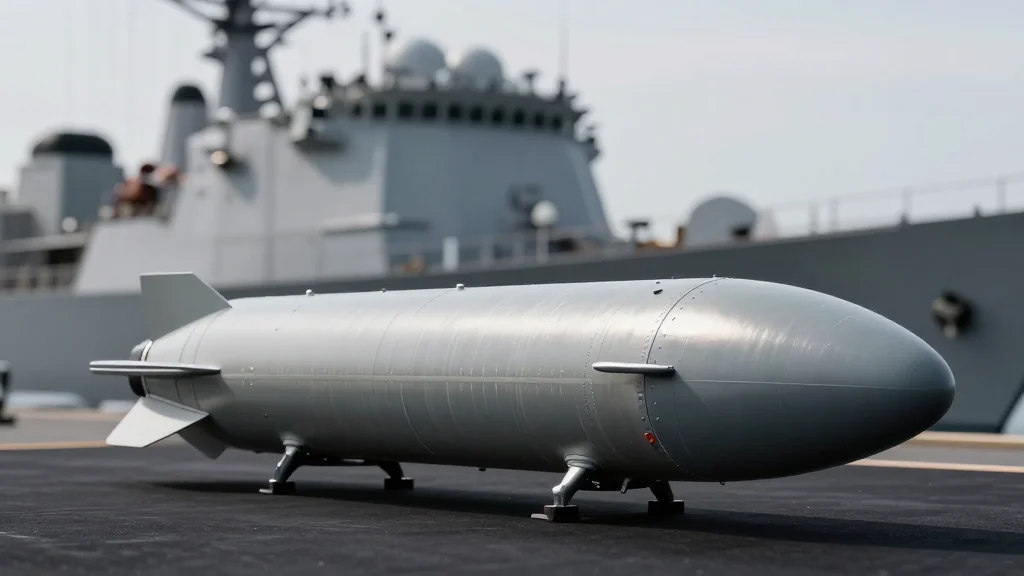
Raytheon Wins $335m Contract Modification for Standard Missile-6
Why It Matters
The contract guarantees a steady supply of a multi‑mission missile essential for U.S. naval dominance, while bolstering Raytheon’s revenue and the domestic defense industrial base.
Key Takeaways
- •Raytheon receives $335 million SM‑6 contract modification.
- •Tucson and East Camden each handle 35% of missile production.
- •$900 million investment expands capacity at key U.S. sites.
- •Deliveries scheduled through May 2030 to meet Navy demand.
Pulse Analysis
S. Navy’s most versatile ship‑launched weapon, capable of anti‑air, anti‑surface and terminal ballistic‑missile defence. Its multi‑role design lets a single missile replace several legacy systems, streamlining logistics and expanding a warship’s engagement envelope. The recent $335 million contract modification secures the next production tranche, reinforcing the Navy’s push to field enough SM‑6 rounds for the fleet’s growing operational tempo. By locking in funding through 2030, the Department of Defense ensures a steady supply chain for this critical capability.
Integration with the Aegis Combat System allows the SM‑6 to be launched from both destroyers and cruisers, enhancing fleet‑wide coverage. Raytheon’s $900 million investment over the past three years has expanded assembly lines in Tucson, Arizona, and Huntsville, Alabama, while also upgrading facilities in East Camden, Arkansas. The contract’s workshare distribution—35 % each to Tucson and East Camden, 8 % to the UK’s Wolverhampton plant, and smaller shares across New York, Ohio and Alabama—creates a geographically diversified supply chain that mitigates regional disruptions. Domestic content rules ensure most components are sourced within the United States, supporting local suppliers and national security objectives.
This multi‑site approach aligns with the Pentagon’s broader industrial‑base strategy, which emphasizes resilience and rapid scalability for high‑priority munitions. The SM‑6 modification underscores a broader trend of rising defense budgets focused on multi‑mission lethality and rapid acquisition. As peer competitors field advanced anti‑ship and hypersonic threats, the Navy’s emphasis on a flexible, sea‑based interceptor becomes a strategic priority, bolstering Raytheon’s position in the high‑value missile market. Analysts expect the secured revenue stream to lift Raytheon’s defense segment earnings through 2030, while the sustained production cadence may spur further private‑sector partnerships and technology upgrades across the Standard family. Future block upgrades aim to improve seeker technology and extend range, keeping the missile competitive against emerging threats.
Raytheon wins $335m contract modification for Standard Missile-6
Comments
Want to join the conversation?
Loading comments...