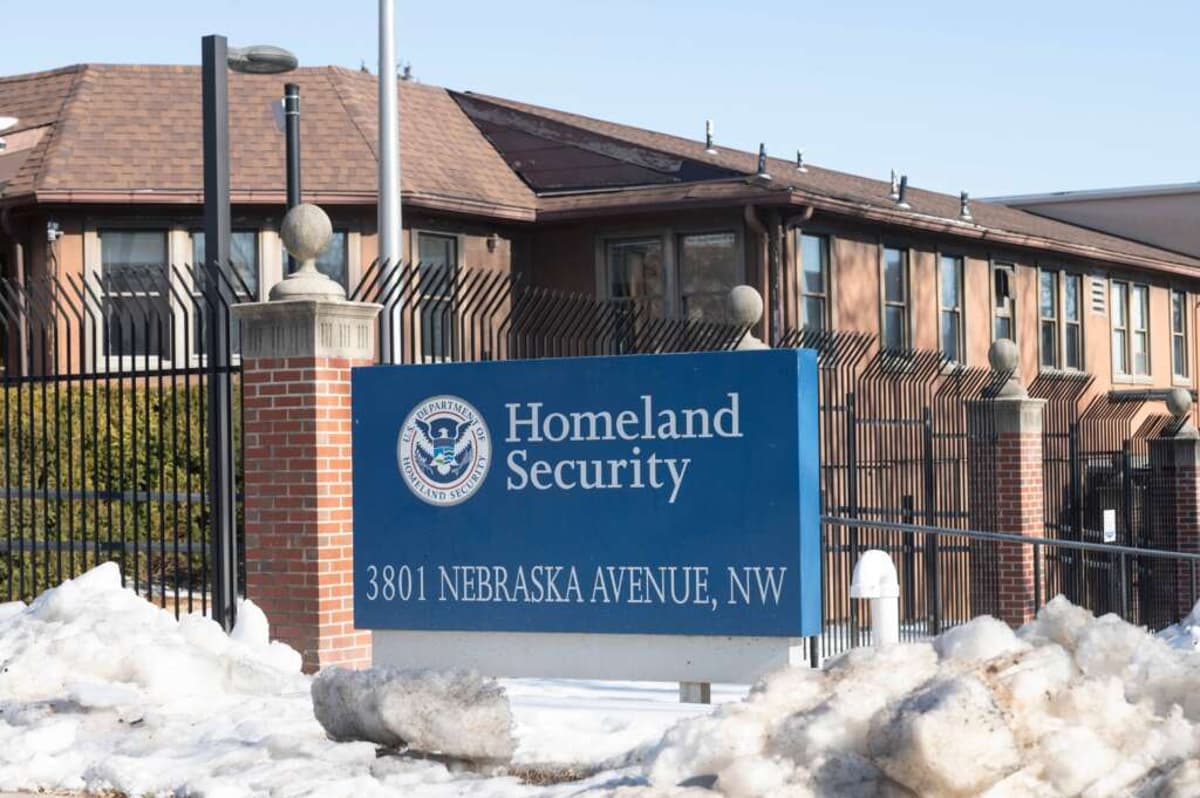
Republicans Launch a New Effort to Fund the Department of Homeland Security
Why It Matters
Funding ICE and Border Patrol restores critical border security operations while exposing deep partisan divides that could shape immigration policy and the 2026 midterm election landscape.
Key Takeaways
- •Senate passed 52‑46 vote to start reconciliation for ICE funding
- •$70 billion plan would fund ICE and Border Patrol for three years
- •Reconciliation bypasses filibuster, allowing passage with simple Senate majority
- •Democrats demand accountability measures before any new ICE money
- •House delays full DHS bill until progress on immigration funding
Pulse Analysis
The Senate’s recent 52‑46 vote to employ budget reconciliation marks a strategic shift in how Congress can fund the Department of Homeland Security amid a historic shutdown. By packaging $70 billion for Immigration and Customs Enforcement (ICE) and Border Patrol into a three‑year entitlement, Republicans aim to sidestep the 60‑vote filibuster that has stalled previous attempts. Reconciliation, traditionally used for tax and spending reforms, requires only a simple majority, giving the GOP a viable path to restore agency operations without Democratic support.
Democrats, however, are leveraging the funding debate to press for substantive reforms to federal immigration enforcement. After the fatal shootings of protesters in Minneapolis, they insist on stricter oversight, warrant requirements, and better officer identification before any new money flows to ICE. The partisan clash underscores broader concerns about agency accountability and public safety, with critics warning that unfettered funding could exacerbate tensions while supporters argue that a funded Border Patrol is essential for national security and border management.
Beyond the immediate funding question, the reconciliation effort signals larger political calculations as the 2026 midterm elections approach. House leaders are holding the broader DHS appropriations bill hostage, hoping to extract concessions on ancillary priorities such as the SAVE America Act and agricultural aid. The outcome will likely influence the GOP’s ability to advance its agenda on immigration, voting reforms, and fiscal policy, while also testing the limits of reconciliation as a tool for partisan legislation in a narrowly divided Congress.
Republicans launch a new effort to fund the Department of Homeland Security
Comments
Want to join the conversation?
Loading comments...