Why It Matters
The mission demonstrates Washington’s willingness to employ heavy bombardment for personnel recovery, raising the stakes of US‑Iran confrontations and signaling a more aggressive rescue doctrine.
Key Takeaways
- •US dropped ~100 900‑kg bombs before rescue
- •155 aircraft participated in the operation
- •Pilot rescued without American casualties
- •Iran offered $76,000 reward for pilot
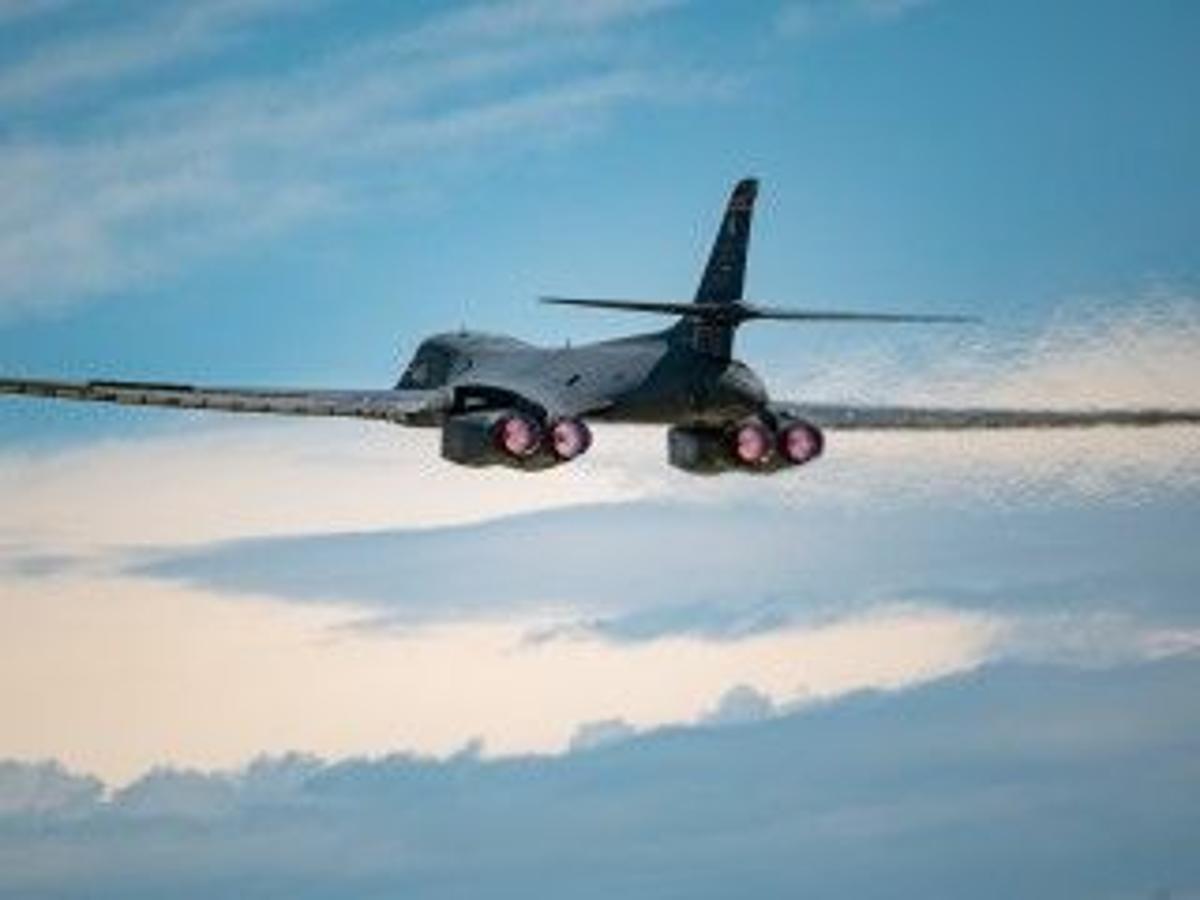
- •B‑1 bombers targeted IRGC roads to hinder response
Pulse Analysis
The rescue of the downed F‑15 crew member underscores a shift in how the United States approaches high‑risk personnel recoveries in hostile environments. By deploying a fleet of B‑1 bombers to deliver a massive payload of 900‑kilogram bombs, Washington aimed to sever Iranian supply routes and create a protective bubble for its forces. This level of kinetic force, typically reserved for strategic strikes, signals a new willingness to blend conventional air power with special‑operations objectives, blurring the line between rescue and combat missions.
Geopolitically, the operation intensifies the already fragile US‑Iran relationship. While the successful extraction avoided American casualties, the bombardment of IRGC infrastructure could be interpreted as an escalation, potentially prompting retaliatory measures from Tehran. Analysts note that such actions may embolden regional actors to test US resolve, while also complicating diplomatic efforts aimed at de‑escalation. The public framing of the mission as a deception further highlights the information‑war component of modern conflicts, where shaping adversary perceptions is as critical as kinetic outcomes.
From a defense‑industry perspective, the mission showcases the utility of versatile platforms like the B‑1 bomber in non‑traditional roles, potentially driving interest in multi‑mission aircraft capable of rapid transition between strategic bombing and close‑support tasks. The operation also raises questions about rules of engagement and cost‑effectiveness when large numbers of aircraft and high‑yield munitions are employed for a single rescue. As militaries worldwide reassess their rescue doctrines, the incident may serve as a case study for balancing force projection with mission safety and geopolitical risk.
Rescue mission preceded by bombing
Comments
Want to join the conversation?
Loading comments...