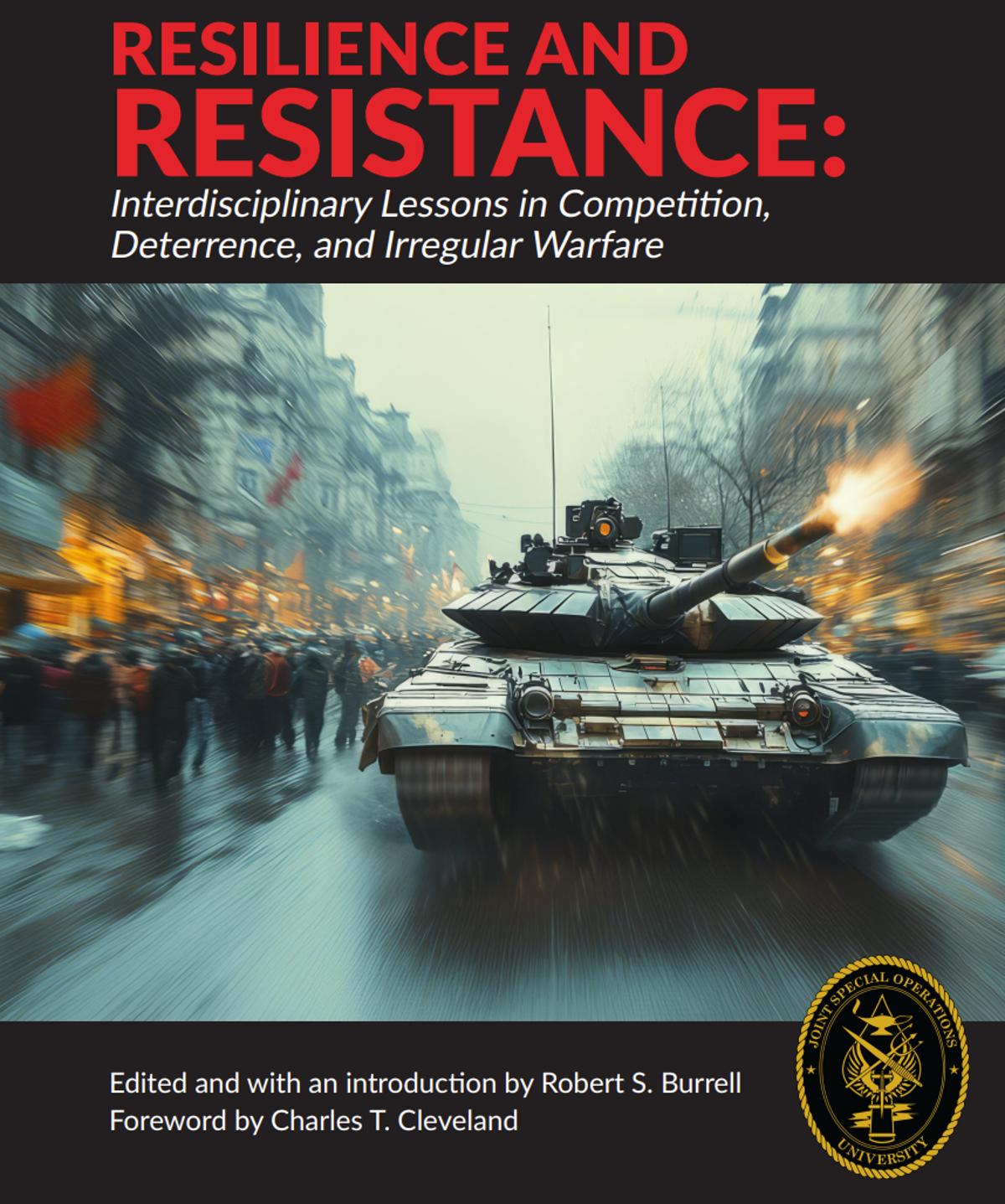
Resilience and Resistance: Interdisciplinary Lessons in Competition, Deterrence, and Irregular Warfare
•February 25, 2026
0
Why It Matters
The book equips defense planners with interdisciplinary tools to counter evolving gray‑zone threats, strengthening strategic resilience across U.S. and allied forces.
Key Takeaways
- •First comprehensive doctrine for SOF, interagency, conventional forces
- •Analyzes gray zone, hybrid, and irregular warfare dynamics
- •Uses data‑centric methods to quantify intrastate conflict
- •Explores cyber, AI, space impacts on special operations
- •Case studies include Cuba, Laos, Tibet, Colombia, Iran
Pulse Analysis
The release of "Resilience and Resistance" marks a pivotal shift in how the United States and its partners conceptualize irregular warfare. Traditional kinetic doctrines have struggled to address the nuanced tactics of gray‑zone actors, prompting a need for interdisciplinary frameworks that draw from political science, sociology, and history. By integrating these perspectives, the publication offers a holistic view of competition and deterrence, positioning resilience and resistance as core strategic pillars for modern conflict.
Central to the volume is a data‑centric methodology that quantifies intrastate conflict, allowing planners to move beyond anecdotal assessments. This analytical rigor supports coalition building by exposing strengths and weaknesses in collective security arrangements. The text also dissects hybrid warfare, illustrating how state and non‑state actors blend conventional, cyber, and informational tools to subvert the international order. Case studies ranging from Cuba to Iran provide concrete examples of how resilience frameworks can be operationalized in diverse environments.
For defense decision‑makers, the implications are clear: integrating cyber, artificial intelligence, and space capabilities into special‑operations planning is no longer optional. The book’s insights enable more precise campaign design, risk assessment, and contingency development against adversaries like the CCP, Russia, and extremist networks. As the strategic landscape grows increasingly complex, "Resilience and Resistance" offers a timely, actionable roadmap for maintaining deterrence and safeguarding global stability.
Resilience and Resistance: Interdisciplinary Lessons in Competition, Deterrence, and Irregular Warfare
0
Comments
Want to join the conversation?
Loading comments...