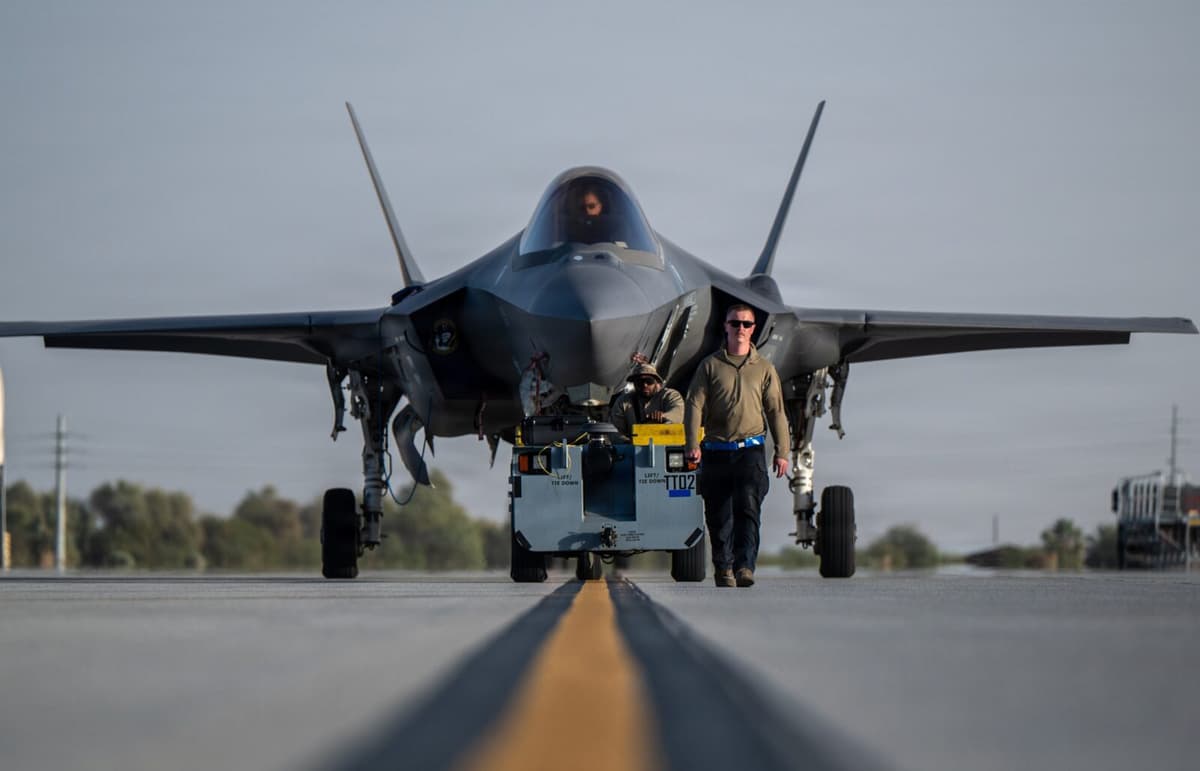
Retired U.S. General Slams U.S. Delay in Fighter Transfers to Ukraine
•March 1, 2026
0
Companies Mentioned

Why It Matters
The critique highlights how political caution can limit Ukraine’s ability to impose costs on Russian forces, affecting the war’s duration and NATO’s credibility in supporting allies.
Key Takeaways
- •Deptula blames U.S. delay on Putin's rhetoric.
- •Early fighter delivery could have disrupted Russian maneuvers.
- •Advocates F‑35, F‑22, F‑16 for rapid deep strikes.
- •Critics cite training, basing, escalation risks for fighter transfers.
- •Debate reflects broader choice: defensive vs. offensive aid.
Pulse Analysis
The United States has supplied Ukraine with a steady stream of defensive weapons—air‑defense systems, artillery, and drones—since the invasion began in February 2022. Yet the delivery of high‑end fighter jets has lagged behind, with the first F‑16s only arriving in 2024 and no F‑35 or F‑22 units on the horizon. Retired Lt. Gen. David Deptula attributes this lag to a cautious calculus driven by Moscow’s verbal warnings, arguing that both the Biden and Trump administrations allowed rhetoric to shape policy.
His assessment underscores a broader tension between rapid capability upgrades and the risk of escalation. From an operational standpoint, modern fighters provide more than air‑to‑air superiority; they serve as platforms for precision‑guided munitions, suppression of enemy air defenses, and time‑sensitive targeting of logistics hubs. Deploying a wing of F‑35s or F‑22s could have given Ukraine the ability to strike command nodes deep behind Russian lines, potentially degrading the adversary’s maneuverability and shortening the conflict’s high‑intensity phase. Analysts note that such deep‑strike capacity also forces an opponent to divert resources to protect rear areas, creating a strategic ripple effect that defensive systems alone cannot achieve.
Nevertheless, the political calculus remains complex. Training Ukrainian pilots, establishing secure basing, and ensuring sustainment logistics for fifth‑generation aircraft demand months of preparation, while policymakers worry about provoking a broader confrontation with Moscow. The debate sparked by Deptula’s comments reflects a growing consensus that future aid packages may need to balance immediate defensive needs with longer‑term offensive capabilities. S. faces pressure to accelerate approvals without compromising escalation management, a decision that will shape both the trajectory of the Ukrainian war and the alliance’s credibility in future crises.
Retired U.S. General slams U.S. delay in fighter transfers to Ukraine
0
Comments
Want to join the conversation?
Loading comments...