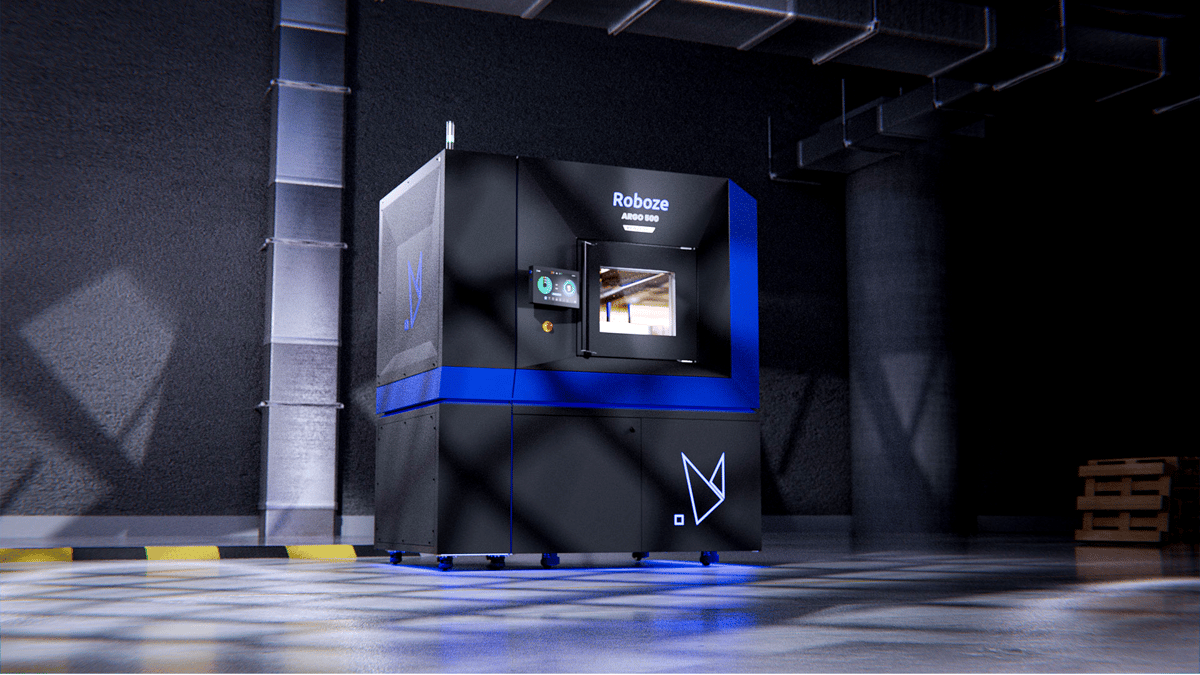
ROBOZE Announced as Lead of Italian Armed Forces R&D Project
Why It Matters
By shortening spare‑part lead times, DIANA boosts operational readiness of naval vessels and showcases a dual‑use model that could transform maintenance across defence and civilian industries.
Key Takeaways
- •ROBOZE leads DIANA project to digitize naval spare‑part production.
- •Consortium includes Donexit, Isotta Fraschini, NESST, and Politecnico di Bari.
- •Goal: secure, on‑site additive manufacturing of mission‑critical components.
- •Project aims to cut supply‑chain delays, enhancing fleet readiness.
Pulse Analysis
The Italian Ministry of Defence is accelerating a digital overhaul of its logistics backbone, recognizing that traditional spare‑part supply chains are vulnerable to geopolitical disruptions and lengthy lead times. Additive manufacturing, combined with advanced data analytics, offers a pathway to produce components on demand, directly at the point of need. By anchoring the DIANA project in this strategic vision, Italy aims to align its naval maintenance capabilities with broader Industry 4.0 trends, positioning its fleet for faster, more resilient support.
DIANA’s technical roadmap hinges on a secure, cloud‑based platform that captures real‑time condition data from naval assets, generates precise 3‑D models through reverse engineering, and validates production parameters before printing. The consortium leverages ROBOZE’s expertise in digital twins and distributed manufacturing, Donexit’s defence systems integration, Isotta Fraschini’s powertrain know‑how, NESST’s materials science, and Politecnico di Bari’s academic research. Together they will develop end‑to‑end workflows that ensure data integrity, traceability, and compliance with defence standards, while enabling rapid prototyping of mission‑critical parts.
Beyond the immediate military payoff, DIANA exemplifies a dual‑use technology that can spill over into civilian sectors such as aerospace, maritime shipping, and heavy industry, where on‑site part fabrication can slash downtime and inventory costs. The project also signals to European defence contractors that digital supply‑chain sovereignty is becoming a competitive differentiator. As other nations observe Italy’s progress, the model may catalyze a wave of similar initiatives, reshaping global defence logistics and creating new market opportunities for firms specializing in secure additive manufacturing solutions.
ROBOZE announced as lead of Italian Armed Forces R&D project
Comments
Want to join the conversation?
Loading comments...