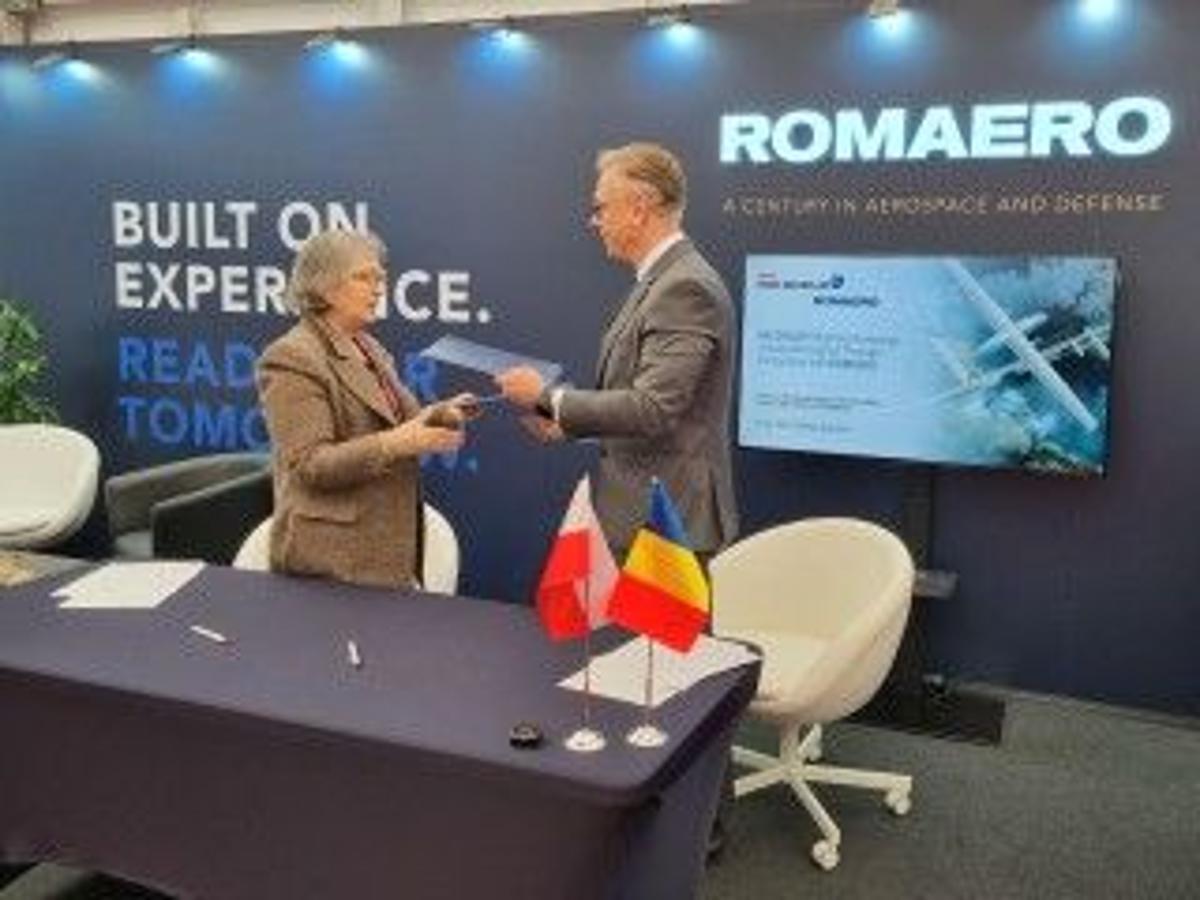
Romania Eyes Polish UAVs and Loitering Munitions
Why It Matters
The collaboration boosts Romania’s indigenous strike and ISR capabilities while strengthening European defence self‑sufficiency, positioning the country as a regional hub for advanced UAV production.
Key Takeaways
- •WB Group and ROMAERO sign production agreement at BSDA Bucharest
- •GLADIUS combines FT‑5 Łoś UAV with BSP‑U loitering munition
- •System offers >100 km strike range and multi‑role reconnaissance
- •Production will serve Romanian forces and broader European markets
- •Partnership aligns with SAFE programme to keep value in Romania
Pulse Analysis
Amid heightened tensions on NATO’s eastern flank, Romania has accelerated its defence modernisation, allocating roughly €2 billion (≈ $2.2 billion) to new capabilities over the next five years. Central to that effort is the drive for indigenous production of advanced weapons, reducing reliance on foreign supply chains. The recent agreement between Polish defence giant WB Group and local aerospace player ROMAERO marks a step in that direction, bringing unmanned aerial systems onto Romanian factory floors. Announced at the Black Sea Defence and Aerospace (BSDA) expo, the deal signals a broader shift toward regional collaboration in the aerospace sector.
The GLADIUS system fuses WB Group’s FT‑5 Łoś reconnaissance UAV with the BSP‑U loitering‑munition, creating a strike‑and‑reconnaissance package capable of engaging targets beyond 100 km. Operated through the TOPAZ battle‑management suite, the platform allows soldiers to conduct patrols, gather ELINT or SAR data, and instantly transition to a precision strike when a target is identified. Its hybrid propulsion variant supports longer endurance for search‑and‑rescue missions, while the electric version optimises low‑signature ELINT flights. This versatility gives the Romanian Armed Forces a rapid, low‑cost alternative to traditional manned aircraft.
Beyond Romania’s own needs, the partnership aligns with the EU‑backed SAFE programme, which aims to keep defence research and production value within member states. By adapting ROMAERO’s facilities for large‑scale output, WB Group creates an export‑ready supply chain that can serve NATO allies across Central and Eastern Europe. The move also strengthens Poland’s position as a regional UAV hub, fostering interoperability among allied forces and reducing dependence on non‑European suppliers. As the continent seeks greater strategic autonomy, projects like GLADIUS illustrate how collaborative industrial policies can accelerate capability gaps closing.
Romania eyes Polish UAVs and loitering munitions
Comments
Want to join the conversation?
Loading comments...