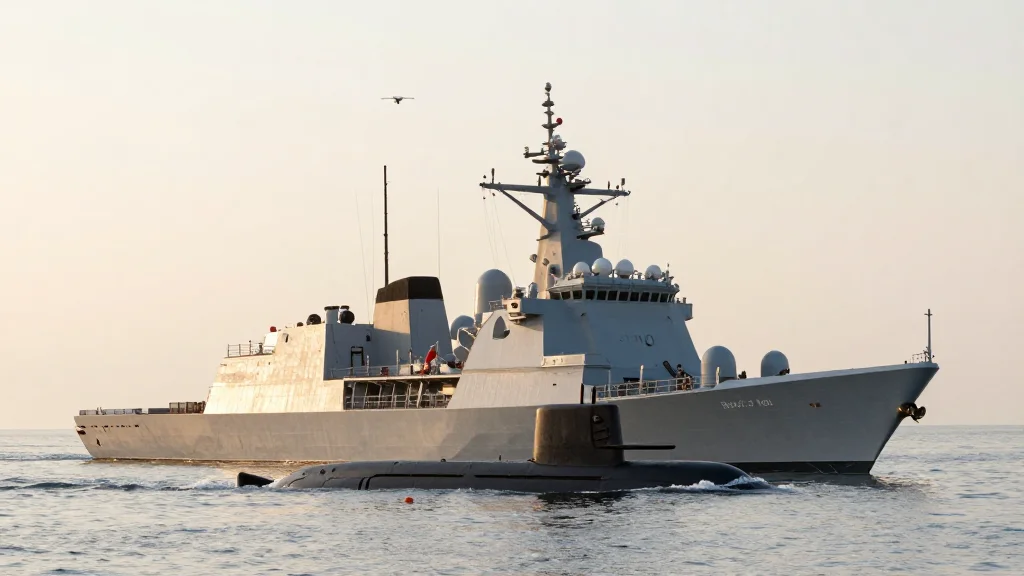
Royal Navy Chief Says Russia Remains ‘Gravest’ Threat to UK Subsea Security
Why It Matters
Escalating Russian incursions jeopardize undersea energy pipelines and communications, forcing the UK to boost defence spending and reshape its maritime posture. The shift signals heightened geopolitical tension across Europe’s northern maritime domain.
Key Takeaways
- •Russian naval incursions into UK waters rose 30% in two years
- •Royal Navy deployed dozens of times to intercept Russian vessels last year
- •UK adopts hybrid naval strategy combining surface ships, submarines, drones
- •Arctic focus aims to protect energy pipelines and undersea cables
- •First Sea Lord Sir Gwyn Jenkins warns of escalating geopolitical risk
Pulse Analysis
The United Kingdom’s subsea infrastructure—spanning trans‑Atlantic cables, offshore wind farms and undersea energy pipelines—has become a focal point for Russian maritime activity. Recent intelligence shows a 30% increase in Russian frigate and submarine patrols near British territorial waters, a trend that has forced the Royal Navy to conduct dozens of interception missions in the past year. This surge reflects Moscow’s broader strategy to leverage naval power for geopolitical leverage, targeting the critical arteries that underpin the UK’s digital and energy security.
In response, the Ministry of Defence is unveiling a hybrid naval strategy that integrates traditional surface combatants with advanced submarines, autonomous surface vessels and aerial drones. By fusing these capabilities, the Royal Navy can maintain persistent surveillance, rapidly respond to incursions, and deter hostile actions without over‑extending its fleet. The Arctic component of the plan underscores the region’s growing importance, as melting ice opens new shipping lanes and exposes vulnerable undersea assets that are vital for European energy distribution.
The heightened focus on subsea security has ripple effects across NATO and the broader European energy market. Allies are likely to coordinate intelligence sharing and joint patrols to counterbalance Russian naval assertiveness. For UK policymakers, the challenge lies in balancing increased defence outlays with the need to protect commercial interests and maintain open sea lanes. As the geopolitical contest intensifies, the UK’s hybrid approach could set a precedent for other nations seeking resilient, multi‑domain maritime defenses.
Royal Navy chief says Russia remains ‘gravest’ threat to UK subsea security
Comments
Want to join the conversation?
Loading comments...