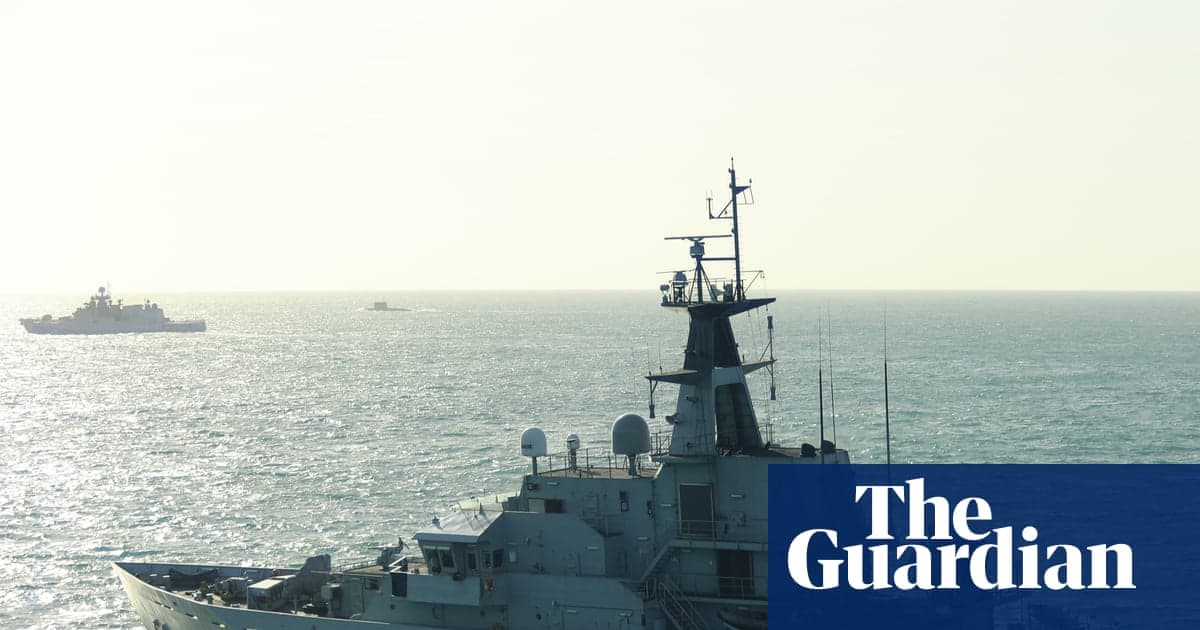
Royal Navy Tracks Russian Frigate for One Month Off UK Coast
Why It Matters
The prolonged Russian naval presence tests the UK’s ability to enforce sanctions and protect critical maritime infrastructure, while signaling Moscow’s willingness to use warships to shield revenue‑generating vessels. It heightens tension in the North Sea, a key conduit for European energy supplies and undersea cables.
Key Takeaways
- •Russian frigate Admiral Grigorovich shadowed daily for a month off Britain
- •Four UK warships and helicopters monitored the Russian escort continuously
- •Admiral Kasatonov escorted two ships to Syria, one arms‑linked
- •UK RFA Tideforce deployed as part of stretched naval resources
- •Shadow fleet supplies half of Russia's seaborne oil, now under tighter scrutiny
Pulse Analysis
The Royal Navy’s month‑long tracking of the Russian frigate Admiral Grigorovich underscores a rare, sustained cat‑and‑mouse game in the North Sea. By keeping a constant visual and electronic watch, Britain demonstrated both its maritime surveillance capability and its resolve to challenge any Russian attempt to use naval escorts as a shield for sanctioned cargo. The operation also highlighted the strategic importance of the Dover Strait and the surrounding waters, which host critical energy pipelines and undersea communications that are vulnerable to covert interference.
Beyond the immediate tactical drama, the episode reflects the evolving enforcement landscape for sanctions on Russia’s shadow fleet. European allies have already seized several tankers linked to the fleet, but the presence of a warship escort complicates interdiction, raising legal and safety concerns for coastal states. The UK’s recent legislative powers to board and seize vessels under existing maritime law now face a practical test: can authorities act decisively when a Russian frigate is in close proximity, or will the risk of confrontation deter action? The incident also illustrates how Moscow leverages naval assets to protect revenue streams that fund its war in Ukraine.
Looking ahead, NATO’s northern flank may see increased patrols and intelligence sharing as member states seek to deter further Russian naval incursions. The episode could prompt a reassessment of resource allocation within the Royal Navy, especially as it balances commitments in the Atlantic, the Mediterranean, and the increasingly contested Arctic routes. For the broader energy market, any disruption to the shadow fleet’s oil shipments could tighten global supply, reinforcing the geopolitical link between maritime security and commodity prices. Stakeholders in shipping, energy, and defense will be watching closely how diplomatic pressure and naval posturing evolve in the coming months.
Royal Navy tracks Russian frigate for one month off UK coast
Comments
Want to join the conversation?
Loading comments...