RSI Europe Skipped the Crowded Drone Race — and It Paid Off
Why It Matters
The model proves that rapid, low‑cost solutions can secure early revenue and reshape defence procurement, signalling a shift toward modular, diversified drone ecosystems across Europe.
Key Takeaways
- •Bootstrapped with €40k, earned €170k revenue first year
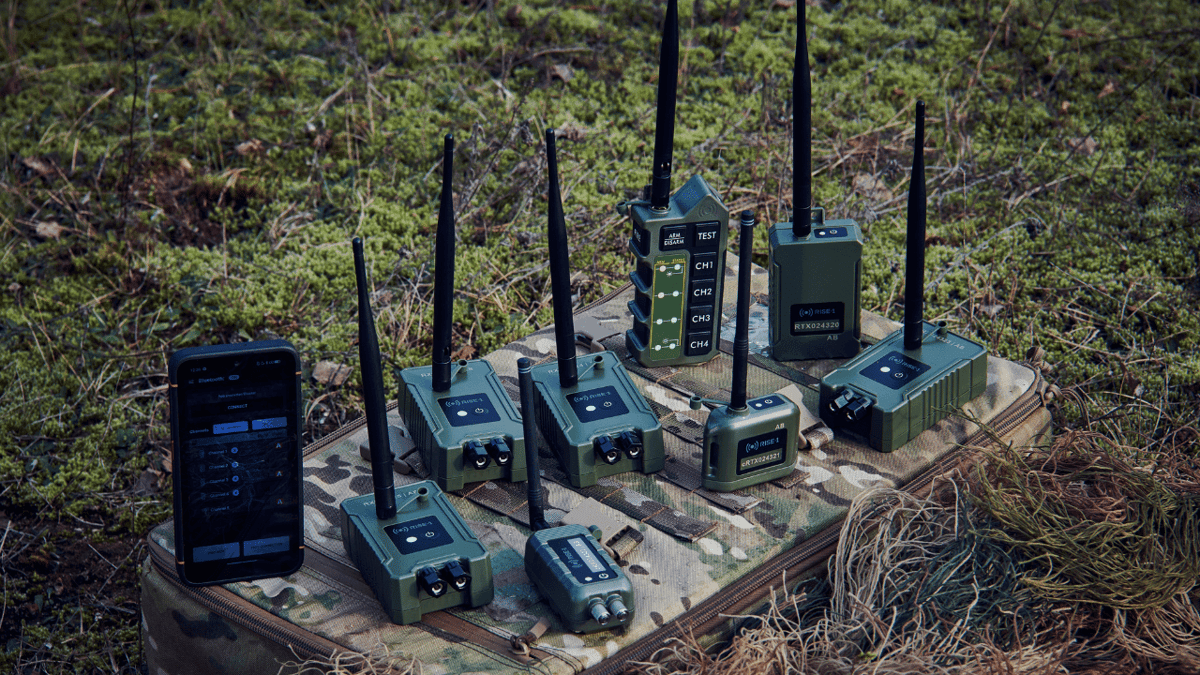
- •Remote initiation systems deployed to Ukraine within 3‑5 months
- •LoRa‑based communications enable 25 km remote detonation
- •Focus on niche, non‑drone product avoided crowded market
Pulse Analysis
The Ukraine conflict has accelerated a broader transformation in defence acquisition, where speed now rivals firepower. Traditional weapons programs that once took years to field are being eclipsed by agile startups that can move from concept to combat in a few months. RSI Europe exemplifies this trend: by sidestepping the saturated drone market and concentrating on remote‑initiation kits, the company delivered functional hardware to Ukrainian forces while larger contractors were still in the design phase. This rapid‑deployment mindset is reshaping how NATO allies think about capability gaps, favouring plug‑and‑play solutions that can be fielded on short notice.
Technically, RSI Europe’s offering leans on a stripped‑down IoT architecture enhanced with LoRa‑based radio links, delivering reliable connectivity even under electronic‑warfare conditions. The low‑compute design keeps unit costs near €1,000 (~$1,080), yet the systems can command explosives from up to 25 km away, dramatically extending operator safety. By bootstrapping with a modest €40,000 loan and achieving profitability in year one, the firm avoided dilution and retained full control over product road‑maps. This lean financial model demonstrates that defence startups can thrive without the massive venture capital rounds typical of other tech sectors, provided they solve a clear, urgent need.
Looking ahead, RSI Europe’s success hints at a fragmented yet opportunistic European drone market. Procurement is moving away from monolithic platforms toward a mosaic of specialised tools, encouraging multiple suppliers to coexist. Start‑ups that identify underserved niches—such as resilient communications, modular electronics, or edge AI for swarm coordination—stand to capture significant share. At the same time, supply‑chain independence from China, especially for critical components like magnets, will become a strategic priority. For investors and founders, the lesson is clear: focus on speed, simplicity, and a narrowly defined problem, and the revenue—and influence—will follow.
RSI Europe skipped the crowded drone race — and it paid off
Comments
Want to join the conversation?
Loading comments...