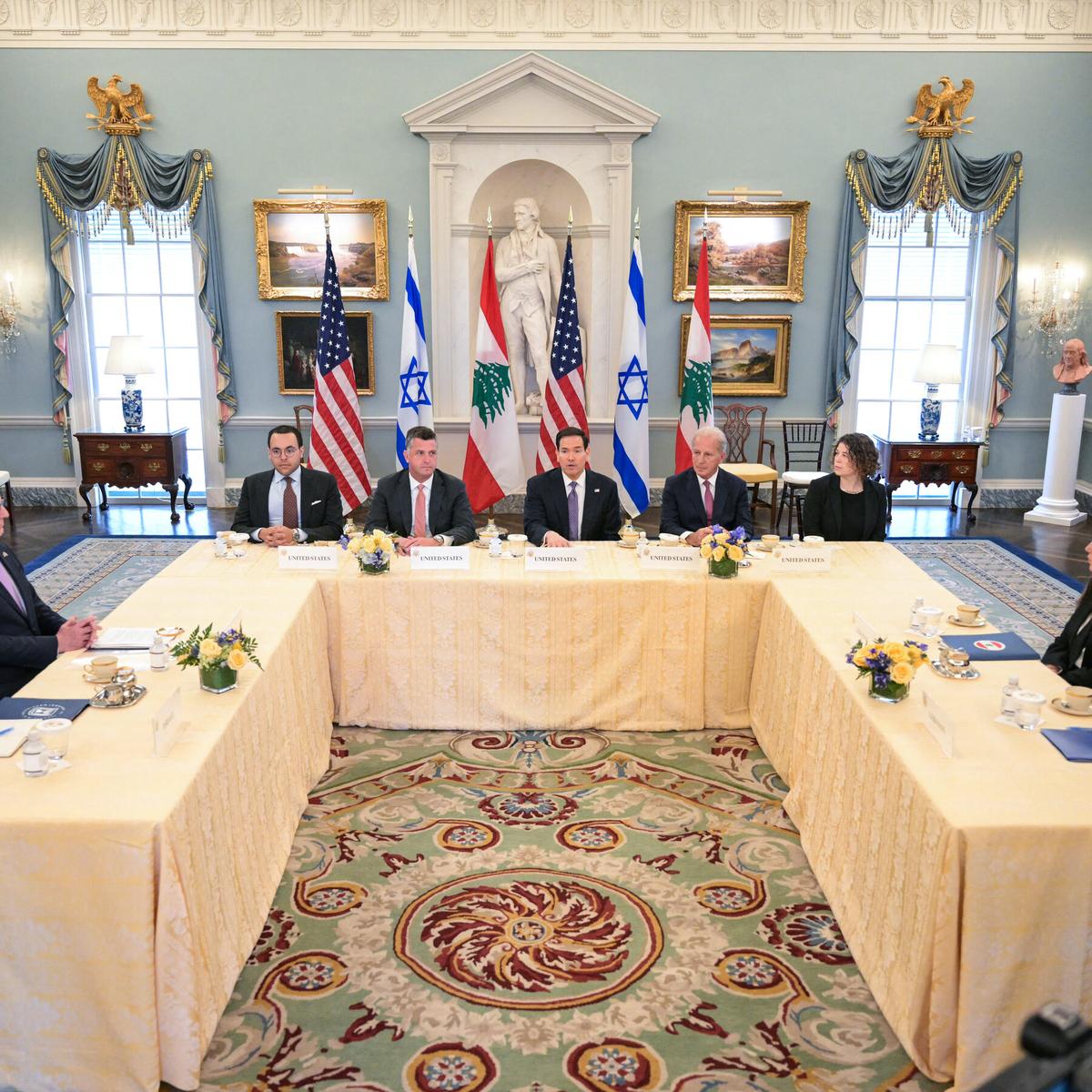
Rubio Hosts Israel and Lebanon for Rare Meeting Shadowed by U.S.-Iran War
Why It Matters
The dialogue signals a potential realignment in the Levant, giving Washington a foothold to counter Iran’s proxy network and possibly reshape security cooperation between Israel and Lebanon.
Key Takeaways
- •Rubio convened Israel, Lebanon for first direct talks in years
- •Both parties agreed Hezbollah must be disarmed, despite no formal pact
- •Lebanon seeks U.S. aid to strengthen its under‑equipped forces
- •Meeting underscores shared opposition to Iran’s regional influence
Pulse Analysis
The State Department’s top‑floor meeting on April 14 marked an unprecedented diplomatic overture in a border that has seen more than three decades of intermittent conflict. Historically, Israel and Lebanon have communicated only through intermediaries, with direct engagement limited to back‑channel negotiations. By bringing Israeli ambassador Yechiel Leiter and his Lebanese counterpart together, Secretary of State Marco Rubio signaled Washington’s intent to act as a catalyst for a new security dialogue, even as President Trump pursues a separate peace track with Tehran. The timing reflects heightened U.S. concerns over Iran’s expanding proxy network in the Levant.
At the core of the discussion was a rare convergence of interests: both nations view Hezbollah as a destabilizing force that threatens their sovereignty. Israeli officials reiterated their determination to continue military pressure on the militia, while Lebanese officials, speaking cautiously, voiced a willingness to curb the group’s armament in exchange for American assistance. The prospect of U.S. aid to modernize Lebanon’s armed forces could shift the balance of power, offering Beirut a credible deterrent against Hezbollah and, by extension, reducing Iran’s leverage in the region.
Strategically, the meeting fits into a broader U.S. effort to contain Iranian influence while preserving regional stability. By fostering a limited but tangible cooperation between Israel and Lebanon, Washington may create a framework for future multilateral initiatives, potentially involving Gulf allies and European partners. However, the absence of concrete commitments and the continued hostilities on the ground mean the dialogue remains fragile. Observers will watch closely whether this nascent alignment can translate into actionable policies that reshape the Middle‑East security architecture.
Rubio Hosts Israel and Lebanon for Rare Meeting Shadowed by U.S.-Iran War
Comments
Want to join the conversation?
Loading comments...