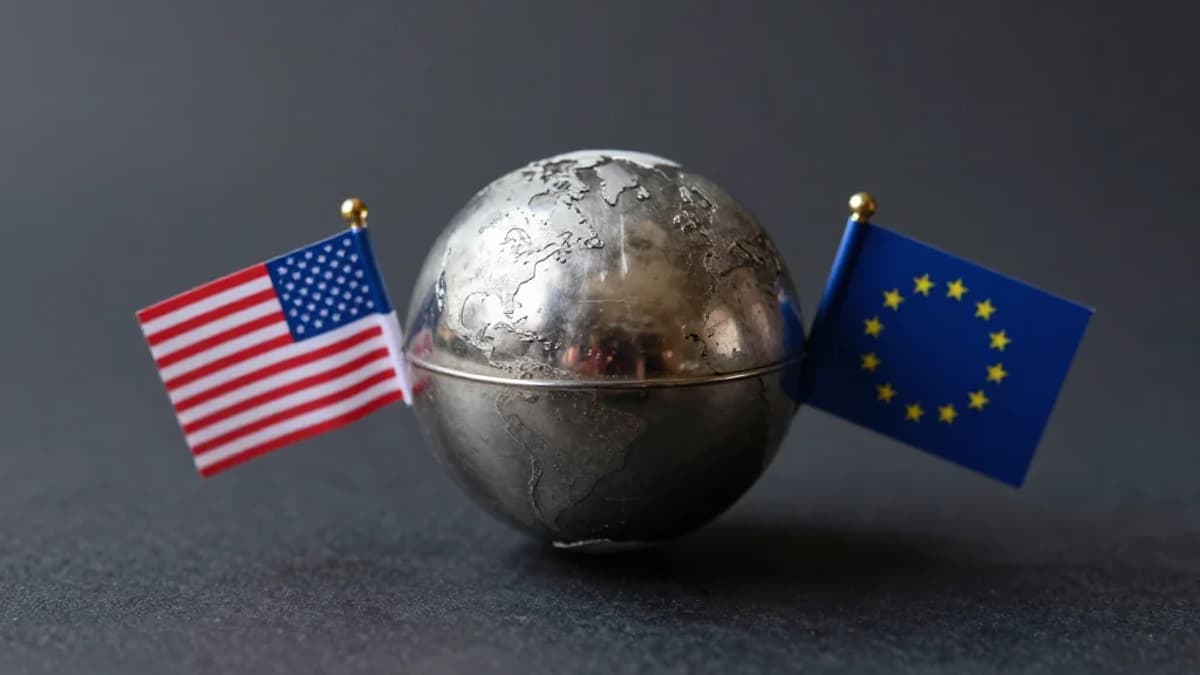
Rubio Reassures Europe — but Only if They Change Course
Why It Matters
The speech signals a pivotal shift in US‑Europe dynamics, tying continued security guarantees to European policy alignment, which could reshape alliance priorities and market expectations.
Key Takeaways
- •Rubio urged Europe to align with US strategic priorities
- •Speech signaled continued US commitment despite Trump administration tensions
- •Europe urged to adjust policies on defense spending, trade
- •Munich conference highlighted shifting transatlantic security dynamics
- •Analysts view remarks as diplomatic balancing act
Pulse Analysis
At the 2024 Munich Security Conference, Senator Marco Rubio stepped onto the stage as the de facto voice of the Trump administration, delivering a speech that blended reassurance with a clear agenda. While acknowledging European anxieties about the United States' recent protectionist rhetoric, Rubio emphasized that the transatlantic partnership remains a cornerstone of global stability. He framed the United States' commitment as a "velvet glove" over a still‑firm fist, signaling continuity in security cooperation even as domestic politics shift.
Rubio's address did not shy away from demanding policy adjustments. He called on European capitals to increase defense budgets, align trade practices with American standards, and adopt a tougher stance toward China and Russia. By linking these expectations to continued security guarantees, the speech placed pressure on allies to "change course" on issues ranging from NATO burden‑sharing to technology export controls. The explicitness of these demands marks a departure from the more diplomatic language of previous administrations, suggesting a strategic recalibration of the US‑Europe relationship.
The implications extend beyond immediate diplomatic signaling. European leaders must weigh the benefits of US security support against the political cost of aligning with a Trump‑era agenda that many view as unpredictable. Investors are watching for shifts in defense contracts and supply‑chain realignments, while analysts predict that any reluctance to meet Washington's expectations could spur a diversification of alliances toward Asia or the EU's own strategic autonomy initiatives. In the coming months, the durability of the transatlantic bond will likely hinge on how both sides translate rhetoric into concrete policy actions. The outcome will shape global power balances for years.
Rubio Reassures Europe — but Only if They Change Course


Comments
Want to join the conversation?
Loading comments...